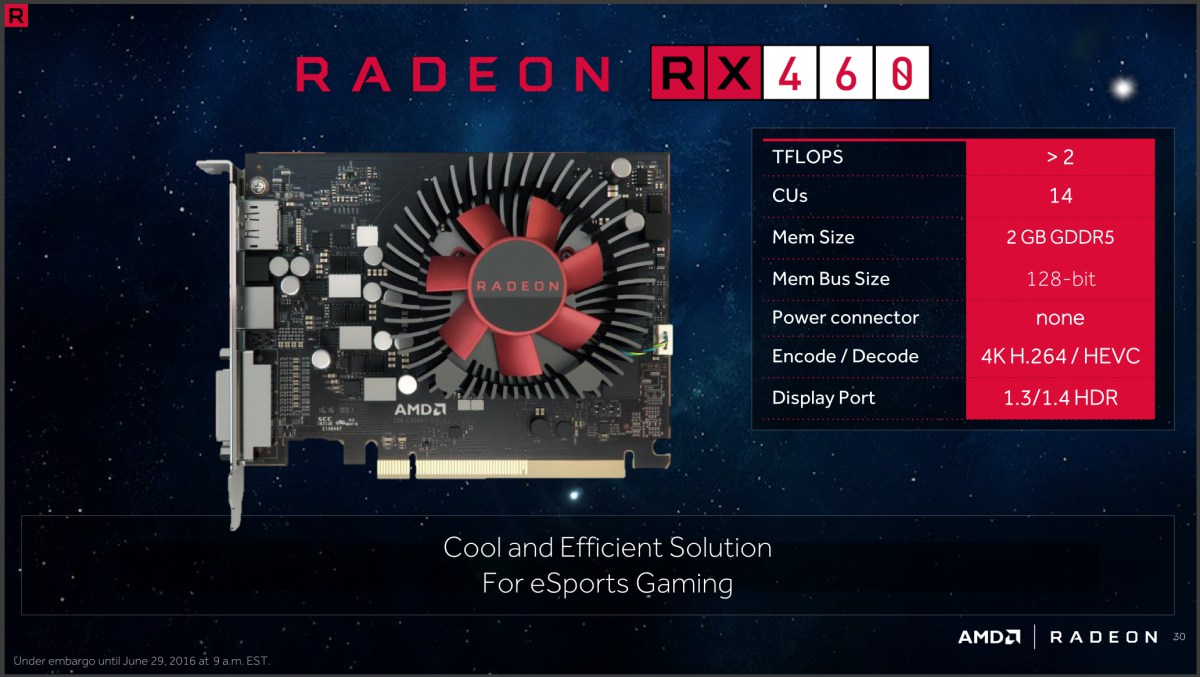
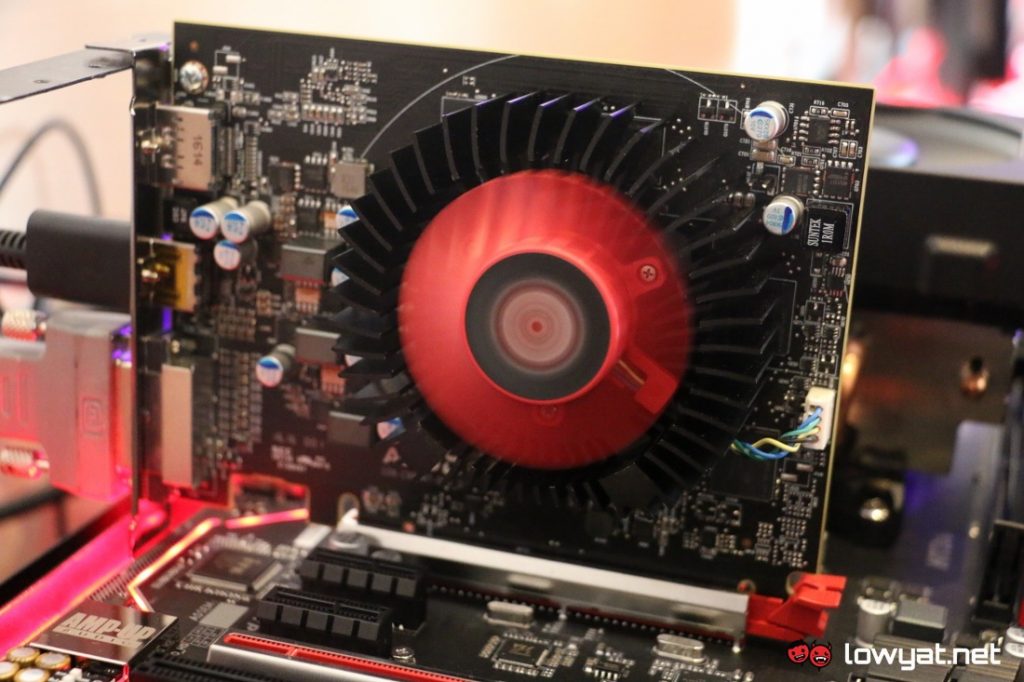
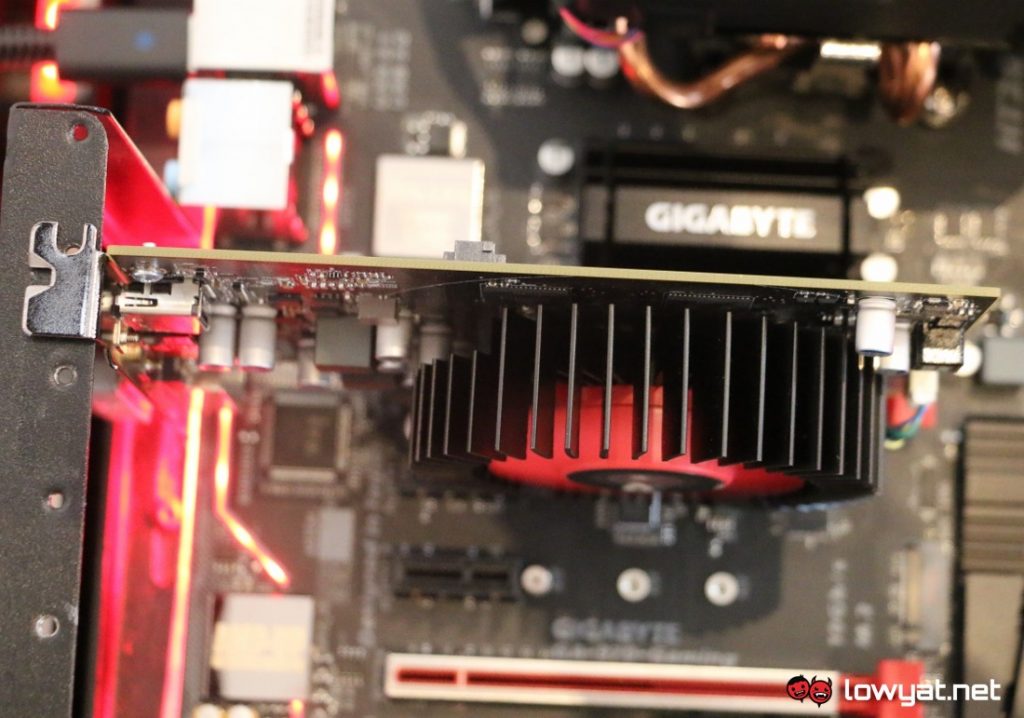
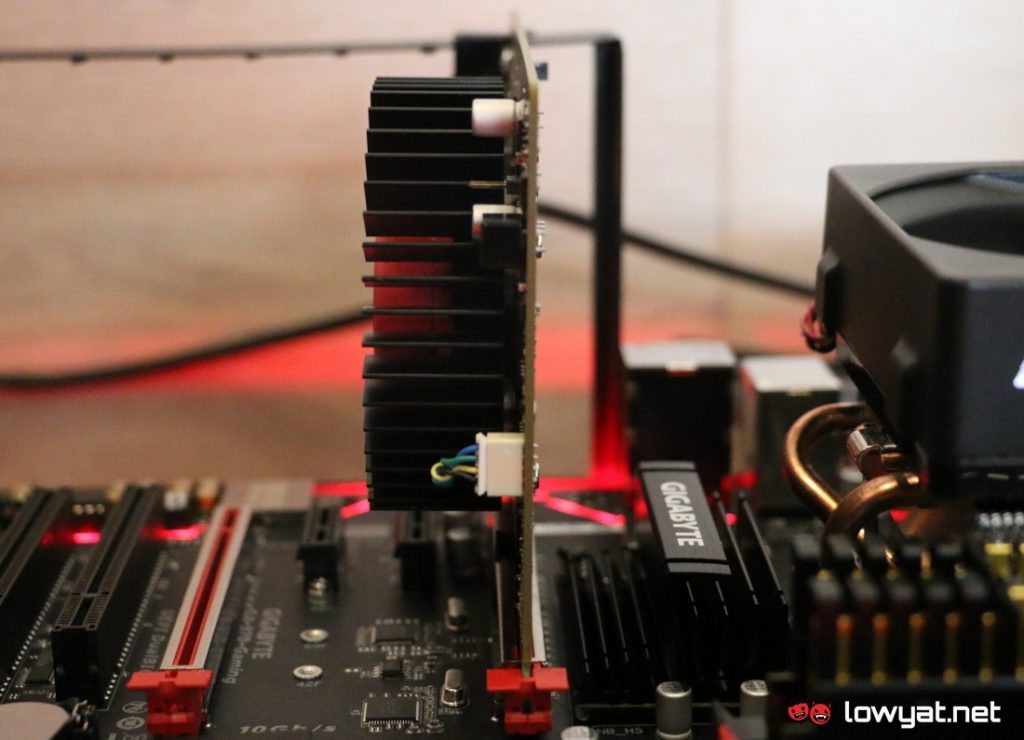
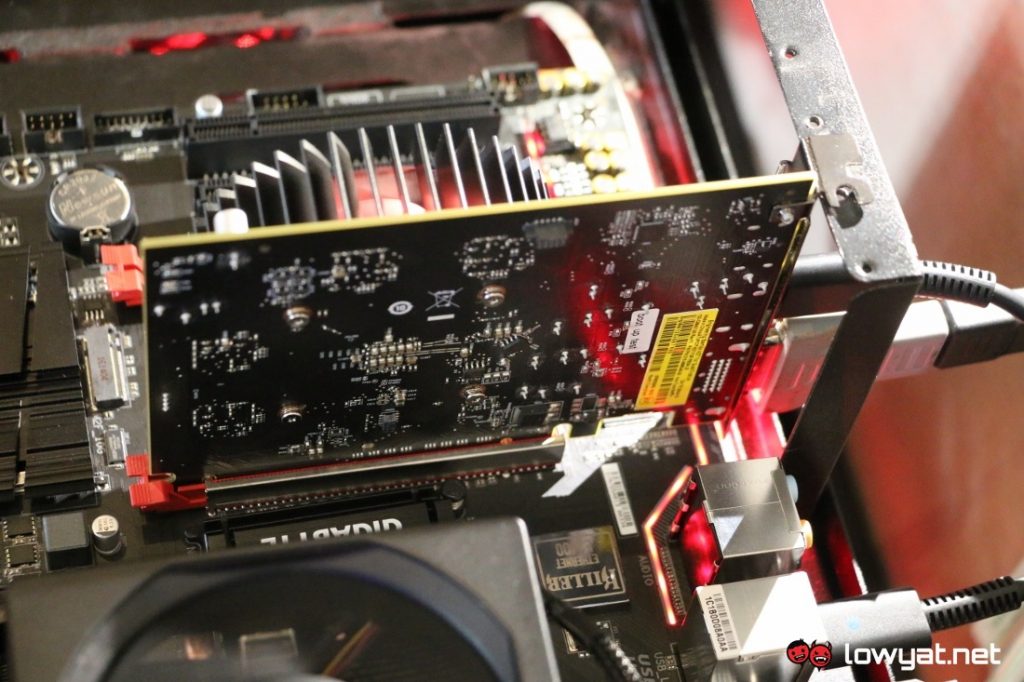
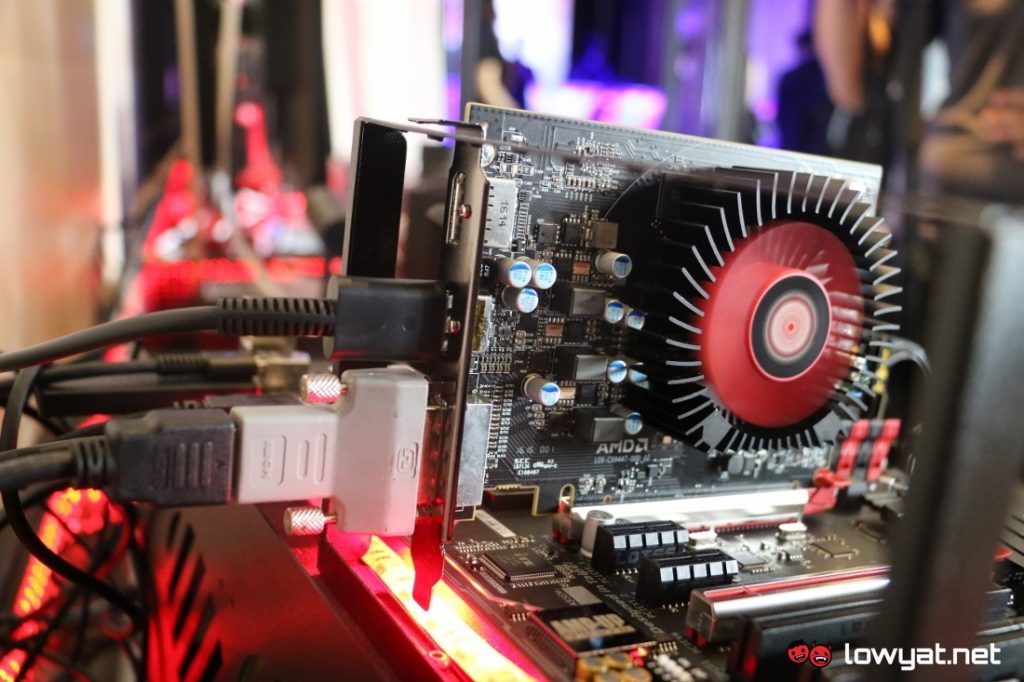
First announced to the world last month, the Radeon RX 460 is part of AMD’s family of Polaris 10-based graphics card which also include the RX 470 and RX 480. While it is not yet available in the market, AMD actually brought the card to its Polaris launch event in Kuala Lumpur earlier today and we can’t help but to immediately noticed how compact the RX 460 is.
Additionally, the card also doesn’t come with the usual power connector which means that it draws power solely through the PCI Express. However, it is not a true single slot card though as what some might have mistaken due to the thickness of the card’s thermal fan. Still, the RX 460 seems like a good fit for small form factor PCs.
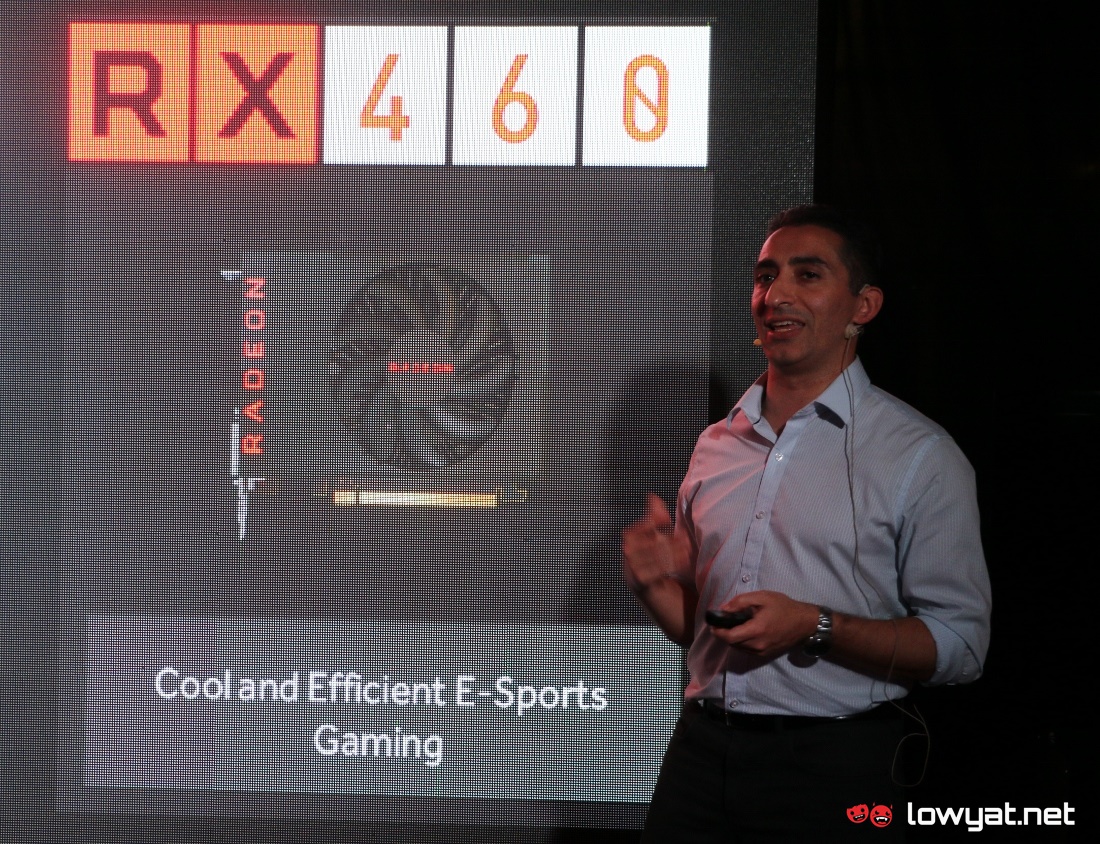
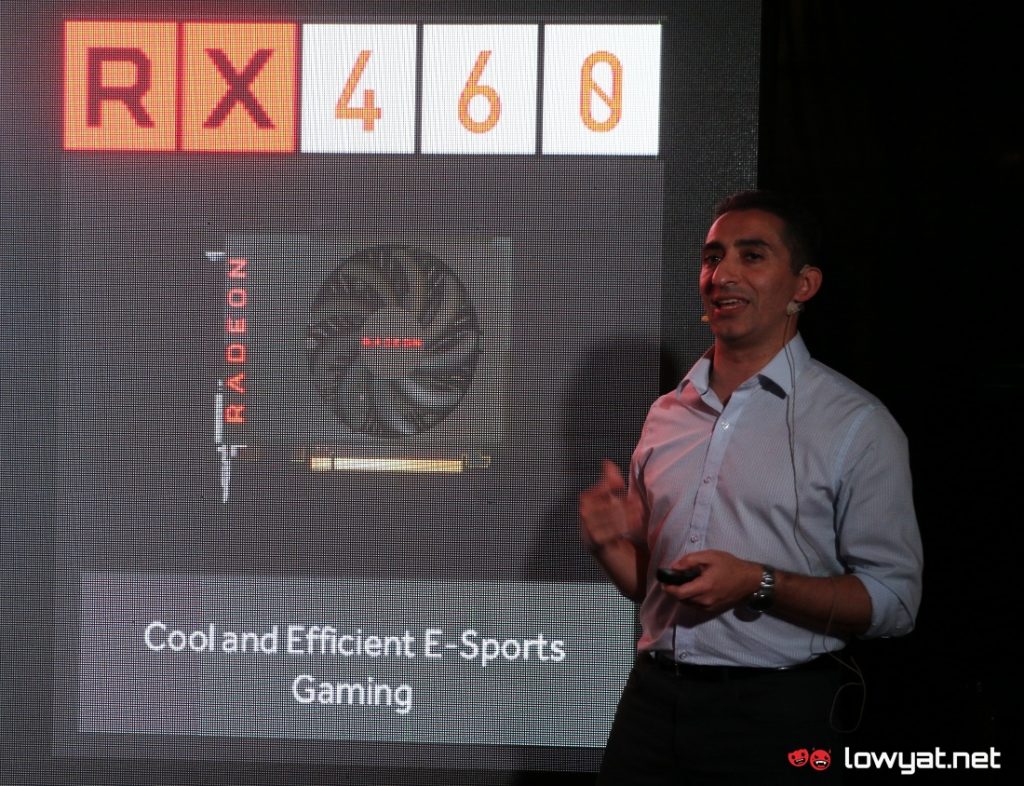
AMD Radeon RX 460 Specifications.David Nalasco, Senior Technology Manager for Graphics, Radeon Technology Group during AMD Radeon RX 480 launch event in Kuala Lumpur.
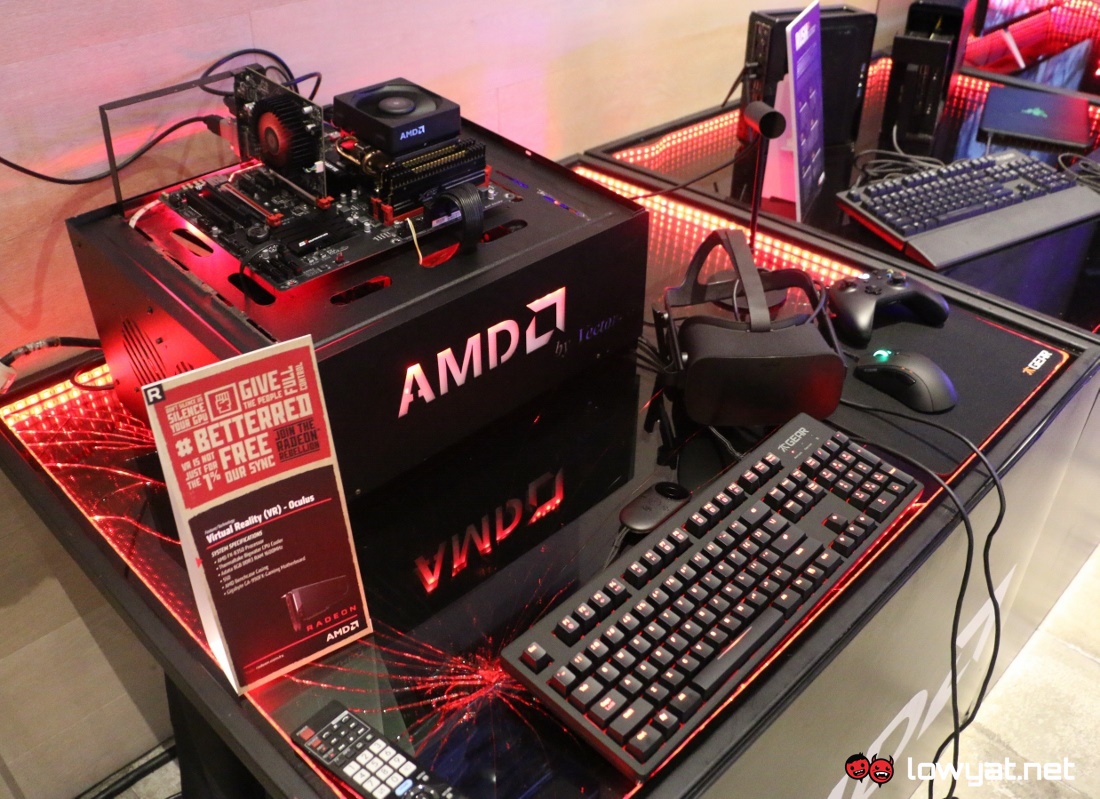
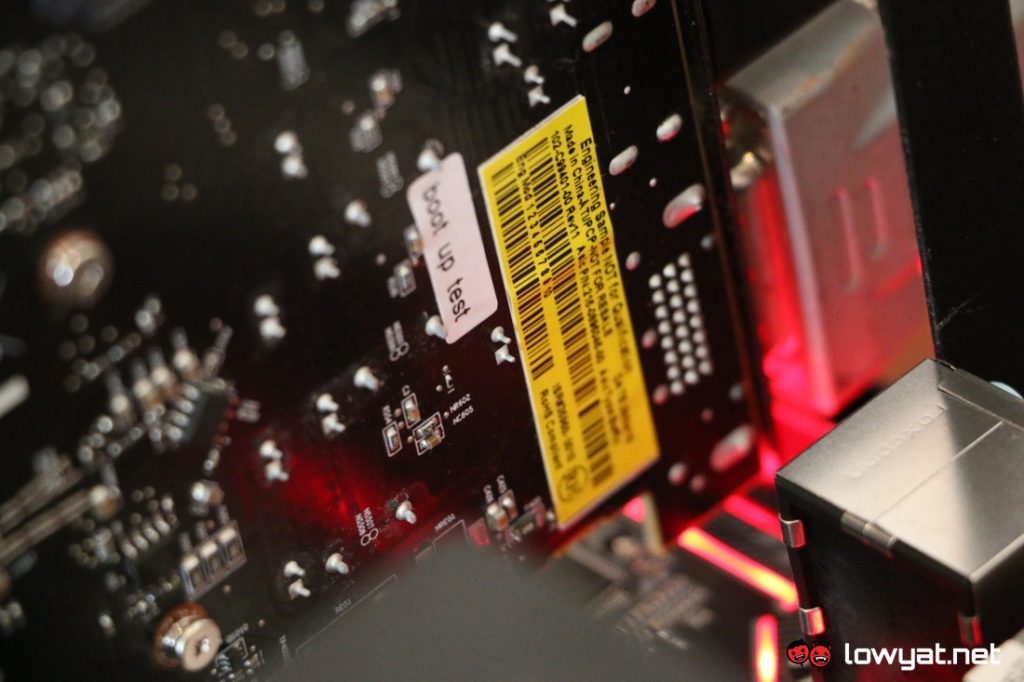
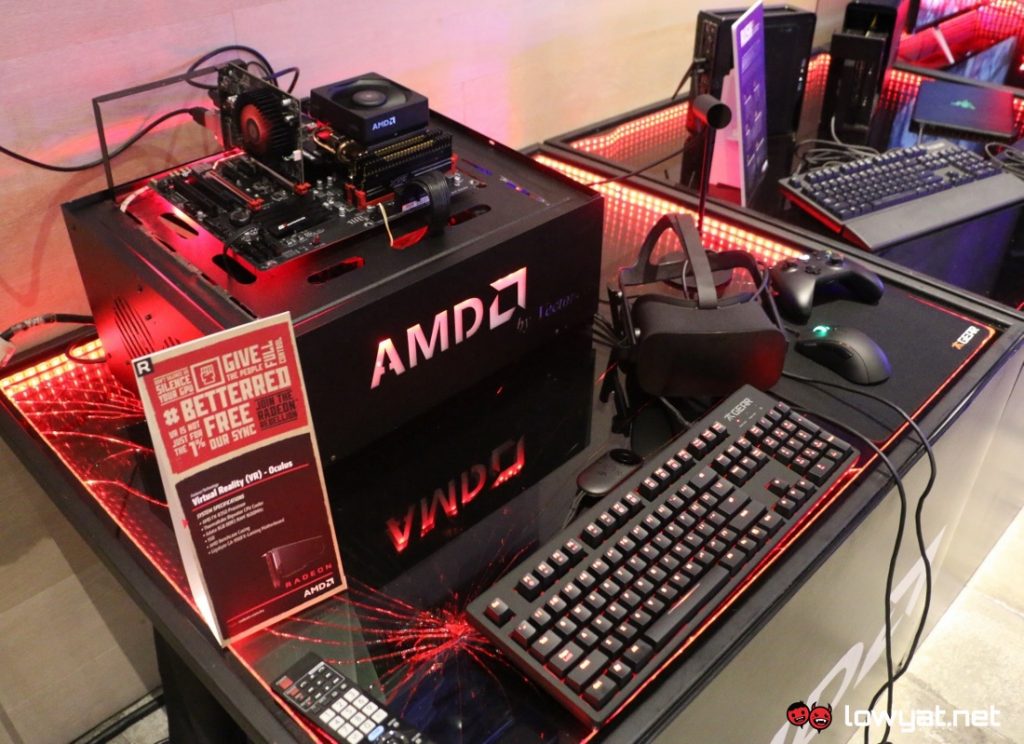
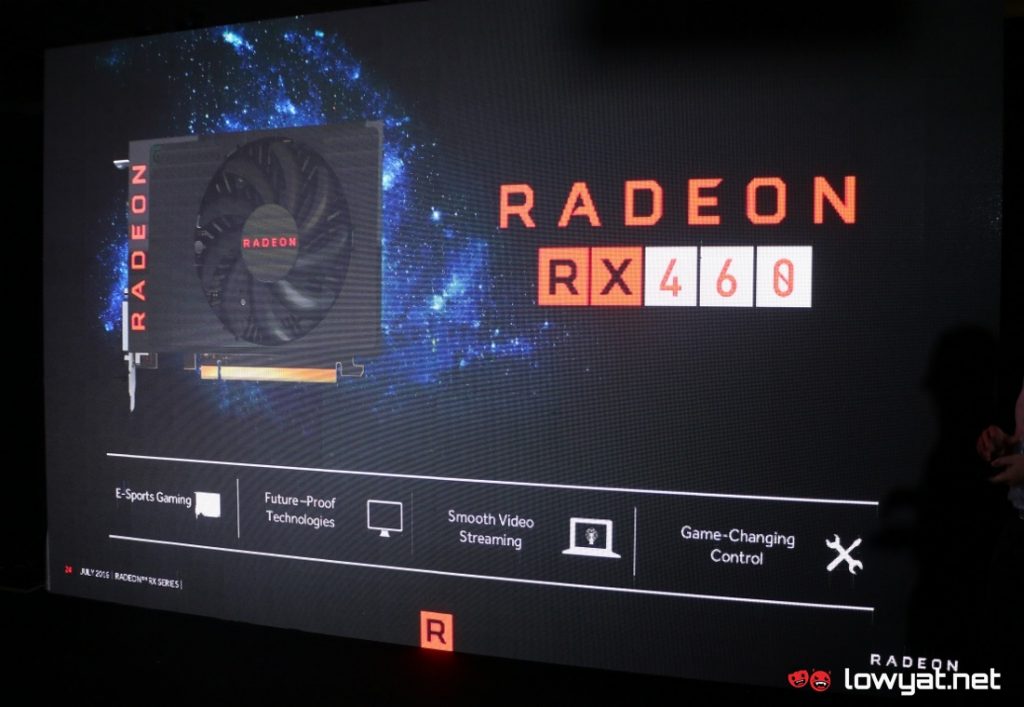
At the same time, the engineering sample in the demo machine above is not the final form of RX 460 as it looked rather different from what was shown during the press presentation at the event. Specifically, the RX 460 in the slide comes with a housing and a bigger thermal fan than the engineering sample that was on the demo machine.
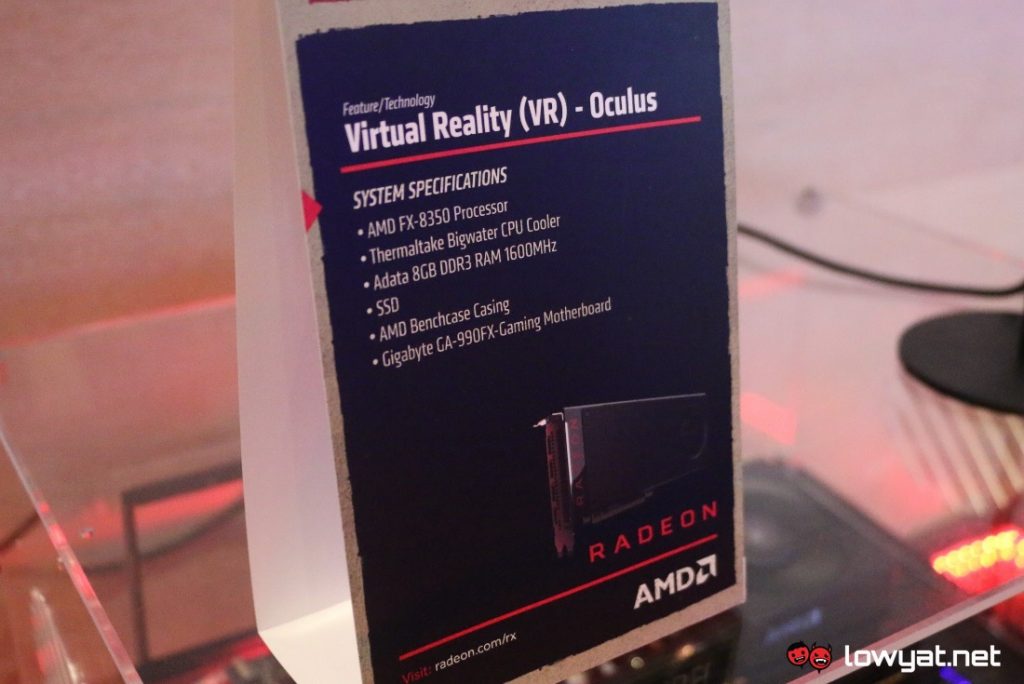
It is hard to judge the actual performance of the card just by looking at its specifications but interesting enough, AMD has decided to demonstrate the card’s graphical capabilities by using virtual reality with the help of Oculus Rift CV1 headset. While the game used for the demo – Eve Gunjack – might not be the most intensive VR title around, it it still surprising to see how the game is running smoothly on RX 460.
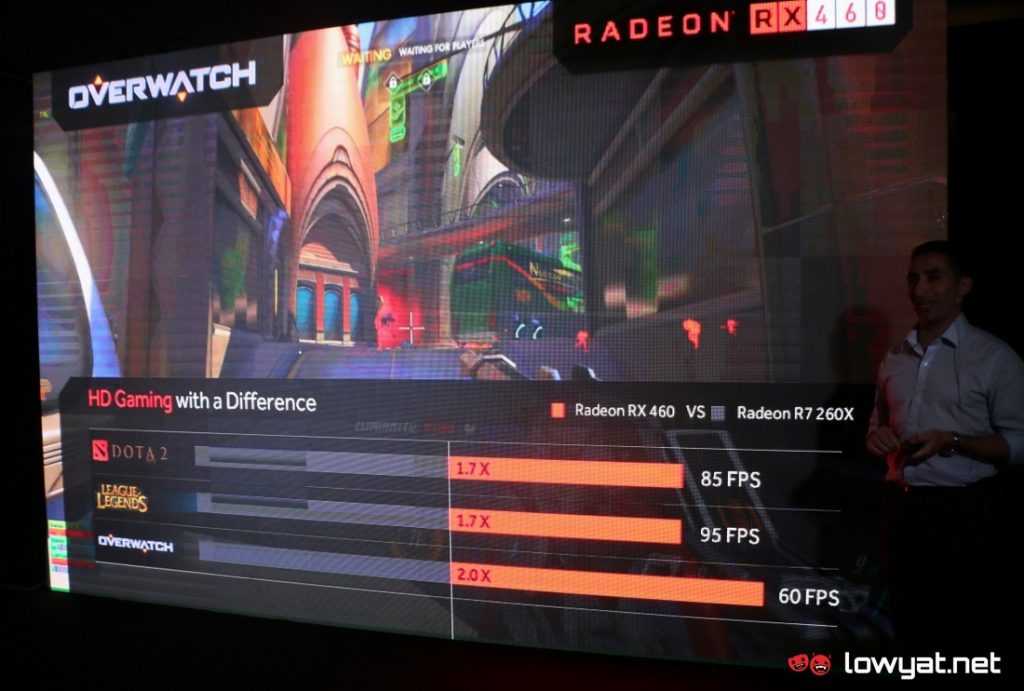
Despite being the least powerful card in Radeon RX family at the moment, AMD made no secret that high FPS rate and the ability to stream – among two things that are important to eSports-oriented users – is still the company’s priority for the card. Hence, we are looking forward to learn more about RX 460’s true capabilities once it is released into the market later this year.
A new alleged image has surfaced the internet claiming the device to be the HTC-made Nexus device appropriately codenamed: Marlin. Nexus device codenames have featured the names of sea creatures over the years.
The image only shows us the screen with the rest of the device covered up by a case and cropped as to protect the origins of the photo. And even if it wasn’t cropped, we’d probably not be able to see the phone anyway as the image isn’t well lit anyway.
The screen shows us the phone’s model name, Android version appears as simple “N” and the phone has the latest July 2016 security patches from Google.
Other leaks and rumors have suggested the HTC Nexus to have a 5.5 inch QHD screen, quad-core Qualcomm processor (something along the lines of a Snapdragon 82X) 4GB of RAM, 12MP rear camera, rear-mounted fingerprint scanner, 8MP front-facing camera, all powered by a 3,450mAh integrated battery.
Google's meticulously planned transition from the Android N to the Android Nougat naming scheme has been closely followed by fresh Nexus 2016 news.
The internal specs for these next two Android phones has been leaked, and they're both shaping up to be promising sequels to the current Nexus 6P andNexus 5X, according to Android Police.
As we've reported on in the past, HTC is making both handsets this year, but we finally have a clearer idea of the power being put into the larger Android Nougat smartphone, codenamed HTC 'Marlin'.
The phone's 5.5-inch screen will be a pixel-dense Quad HD AMOLED display and, at its core, it'll have a quad-core Qualcomm processor, 4GB of RAM and either 32GB or 128GB of internal storage.
What's really new here
With an identical 12MP rear camera, 8MP front camera, 3,450mAh battery capacity, USB Type-C port and rear-mounted fingerprint sensor, it sounds like a simple CPU and RAM specs upgrade from the Nexus 6P.
But what's exciting is the unknown Qualcomm chip: it could be a Snapdragon 820, or the 821 or 832, both of which have yet to debut in a smartphone. It'll rival the blazingly fast Samsung Galaxy S7 and S7 Edge (which have Samsung's Exynos processors outside of the US and China).
The unusually narrow 32GB and 128GB storage options hopefully mean the higher capacity is at a fair price. And imagine if Google subtly mocks Apple's 'gracious' move of getting rid of 32GB – only Google would be axing 64GB.
Meanwhile, Apple is very likely to finally kill off 16GB in the year 2016, but reintroduce 32GB with the iPhone 7 and iPhone 7 Plus. It'd be a stark contrast.
Don't expect a underpowered Nexus 5X
The Nexus 5X was a solid phone for its price, and it very briefly appeared on our coveted best phones list, but its specs and performance couldn't hold a candle to the Nexus 6P and the other best Android phones.
That won't happen again, judging from the rumored specs of the smaller, HTC-built 'Sailfish'. Its similar 5-inch display sounds just as hand-friendly as before, although it may end up using a 1080p AMOLED panel.
It's said to have a quad-core 2.0GHz 64-bit processor, 4GB RAM and start with at least 32GB of storage. A 2,770mAh battery is onboard, which may be okay for the smaller screen.
Everything else is said to be the same as in the 5.5-inch Nexus 2016: a 12MP rear camera, 8MP front camera, rear fingerprint sensor and USB-C port.
The 1080p display isn't that big of a deal; it's the full processor specs that I want to find out about in order to really judge the upcoming smaller Nexus. That's where the Nexus 5X failed in longevity as my daily driver, even if it's still an awesome phone for the unlocked price.
With Android Nougat due out in late summer, we expect these Nexus 2016 phone rumors to become an almost daily occurrence, so stay tuned for more updates about the new hardware.
Razer’s Nabu Watch is an unusual device. It isn’t exactly a smartwatch; but nor is it a smartband either. It exists in this space between the two. What it does have is a throwback aesthetic that grabs attention. I wonder if this is meant to appeal to the retro look that is popular these days, or if it shows a lack of creative ideas from a company that has simply been slapping RGB lighting on its products.
What is it?
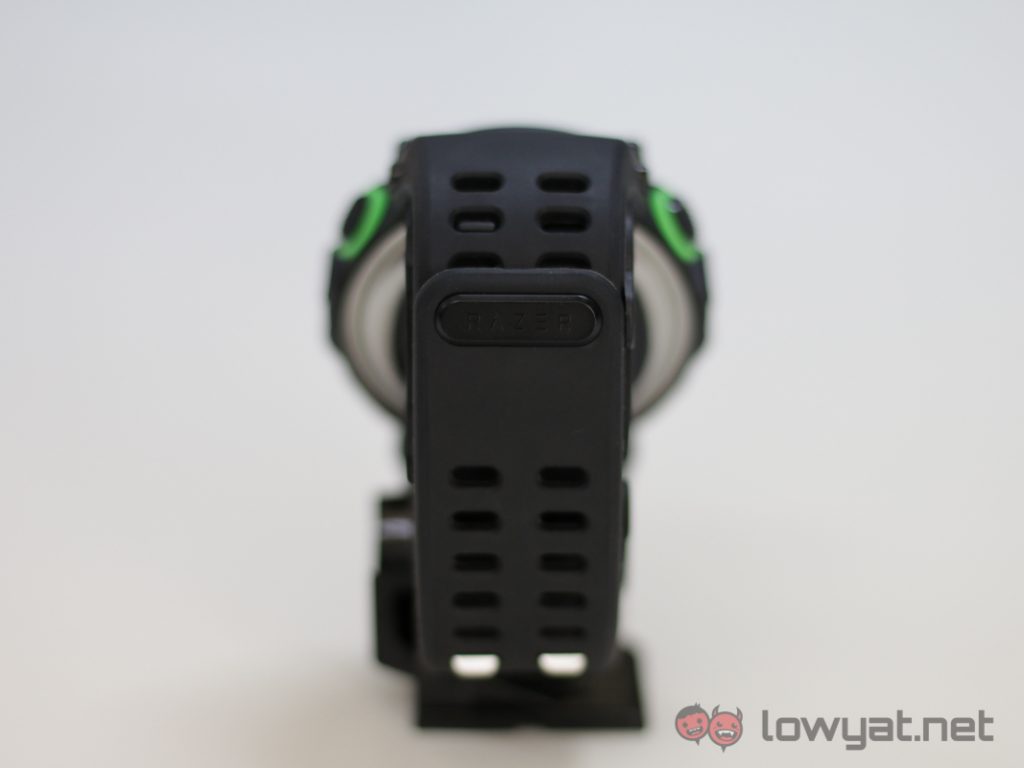
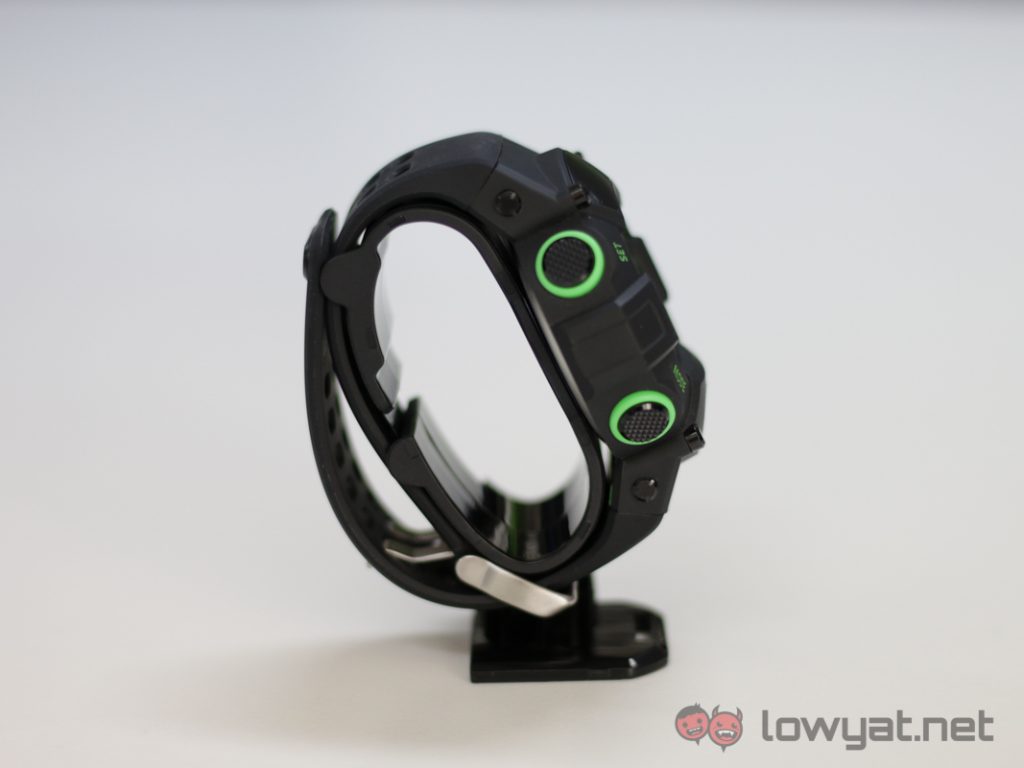
The Nabu Watch is a regular digital watch that swallowed a smartband. That may be the only way to describe it. Watch and Smart functions are not separated by the software; rather they are physically independent devices. Each has its own power source and electronics, which literally makes it a 2-in-1 product. It also makes the watch huge.
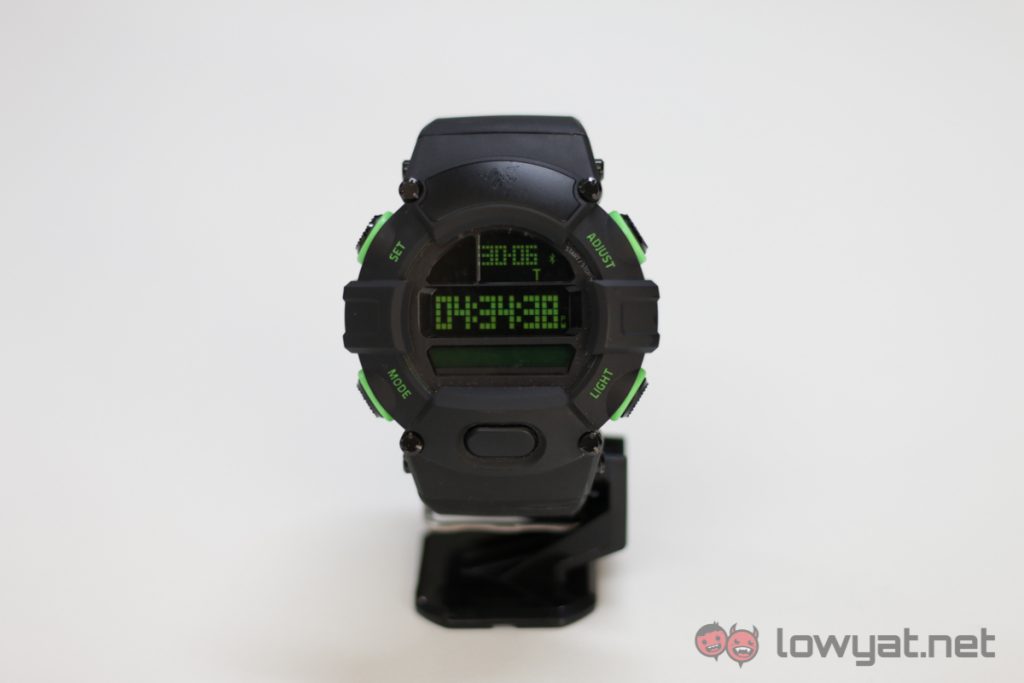
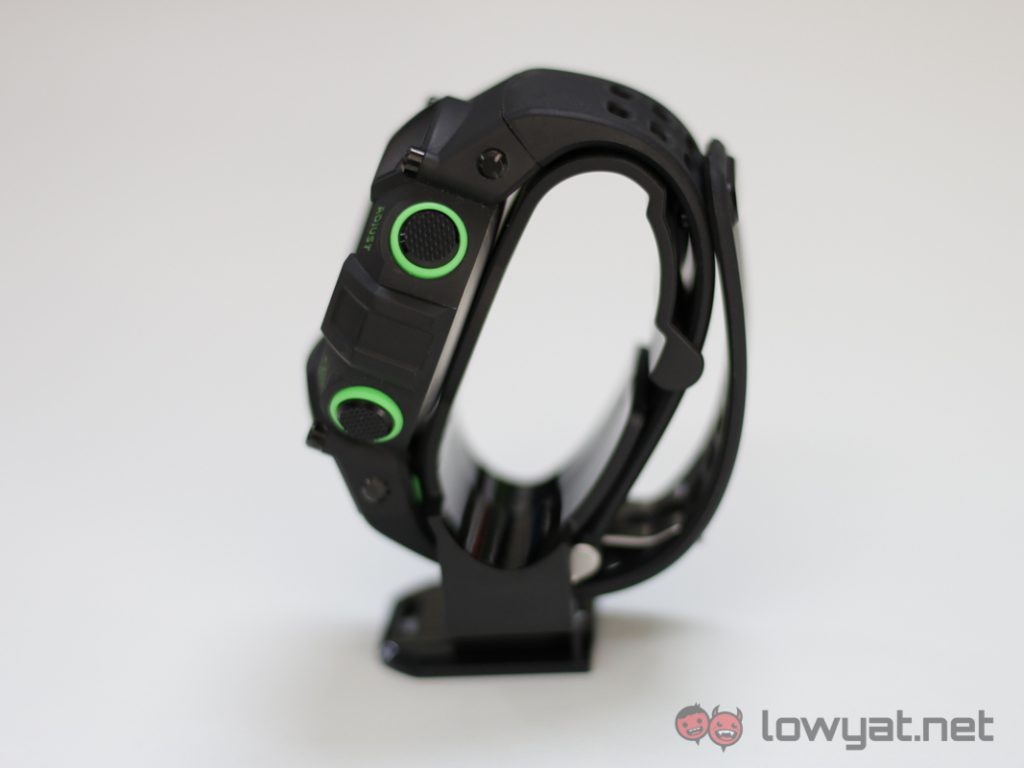
Dominating most of the design is the G-Shock style digital watch. Complete with huge bezel and oversized buttons. The watchface itself is reminiscent of the old G-Shock; aside from the addition of a secondary (tertiary?) LCD display just below the time display.
The additional LCD display is the “smart” part of the watch. It is designed to display any additional information from the pedometer or incoming messages. It does this in a rudimentary way, with only the most basic of details appearing. The type of information displayed can be customised and controlled from Razer’s Nabu app.
Is it any good?
The quality of a smartwatch should be judged on whether it does what it sets out to do. In this aspect, the Razer Nabu Watch undoubtedly succeeds. It is an extremely large and extremely loud fashion accessory that draws a lot of attention. The designers behind the Razer’s stable of gaming peripherals appear to have worked on the Nabu Watch, and it bears the striking neon green highlights.
As far as functions go, the Nabu Watch is a bare bones device. It tells the time. It informs the wearer of how far and how many steps he’s taken in a day. It also has a limited capacity to display messages and caller ID.
Comparing the Nabu Watch to other smartwatches like the Samsung Gear S2 or LG G Watch would be a mistake. It is clearly intended to appeal to a completely different crowd; one that would like to have a watch first and everything else later. In fact, this would be closer to the kinds of smartwatches created by traditional watchmakers; those who play an emphasis on retaining the proper aesthetics of a timepiece. Of course, the timepiece in question here happens to be something from the 90s. Where everything was designed to be loud and obnoxious. Those were good times.
The best part of the Nabu Watch is the impressive battery life. The regular digital watch half of the device uses a traditional dry cell battery, which provides the device with about a year’s worth of power. That’s much better than having to worry about forgetting to charge every other night like other smartwatches.
On the other hand, the ‘smart’ display can go for about a week straight while paired over Bluetooth; which is fairly consistent with fitness trackers from Fitbit.
The bad stuff… Tell me
While the Nabu Watch succeeds at being a watch (because it isn’t that difficult), it struggles with the ‘smart’ side of the equation. The tiny display appears to be designed only for the pedometer, as it is less than suitable for displaying other information. This is especially evident when dealing with a large number of incoming messages.
I have personally been describing the secondary (or was it primary?) display as a glorified pager. You know, those tiny boxes people used to own that were capable of sending short messages. Messages and emails on the Nabu Watch are displayed as a scrolling ticker; provided the messages themselves are short enough. Longer messages simply trail off, leaving the user to go digging for his phone to discover what was actually said.
Another small problem is the limited amount of memory available to the Nabu Watch; which only allows it to store the last five messages received. It doesn’t even retain a counter of how many messages were received. There is nothing like seeing chatter from inane WhatsApp groups and not realising someone has been trying to contact you about work.
To make matters worse, Razer also made the choice of using a proprietary charging cable for the Nabu Watch. This is a rookie mistake, one that has been made by almost every smartwatch maker. Heck, even the incredibly popular Pebble has managed to stick with a proprietary cable for the last three generations. The difference between Pebble and Razer is that one of these companies provides an easy and convenient way of replacing the cable in the event it goes missing.
Conclusion
The Razer Nabu Watch is not quite a smartwatch; nor is it a smartband either. This makes it very difficult to recommend for people who want either of those devices. The limitations placed on its ability to display or retain messages is a massive strike against the device; this is compounded by the size of the watch which makes it unsuitable as a true fitness tracker.
Then there is the substantial price of the Razer Nabu Watch. At RM999 RM749 it competes with other true smartwatches for customers priced slightly higher, and only provides a small fraction of the functionality. This isn’t the only “smartwatch” to attempt to prioritise being a fashion accessory, and it certainly won’t be the last.
With this in mind, it is a decent first try from Razer. It doesn’t scratch the itch of owning an actual smartwatch, but it does what it sets out to do by grabbing lots of attention.
Sennheiser’s HE 1 headphones, which it touts as the “new world’s best headphones” after its predecessor, the Orpheus, is now officially available for pre-orders in Southeast Asia. After its launch event, members of the media (myself included) were given what is very likely a once in a lifetime chance to try out the German-made headphones that cost about the same as a German-made mid-range sedan.
How could I say no?
The HE 1 is a statement product. It’s what happens when a company decides to make the best product ever, regardless of cost, estimated launch date, and basically anything a profit-making company would consider before developing a product. It is aimed at symbolising what the company is capable of, both in its pursuit of “the perfect sound” and as a premium audio brand.
As such, the HE 1 was another idea that had to wait for technology to catch up before it was even possible to make. The company had to create new manufacturing processes and use the most exotic of materials in building the HE 1. The original Orpheus was legendary, and now Sennheiser wants to top that with the HE 1.
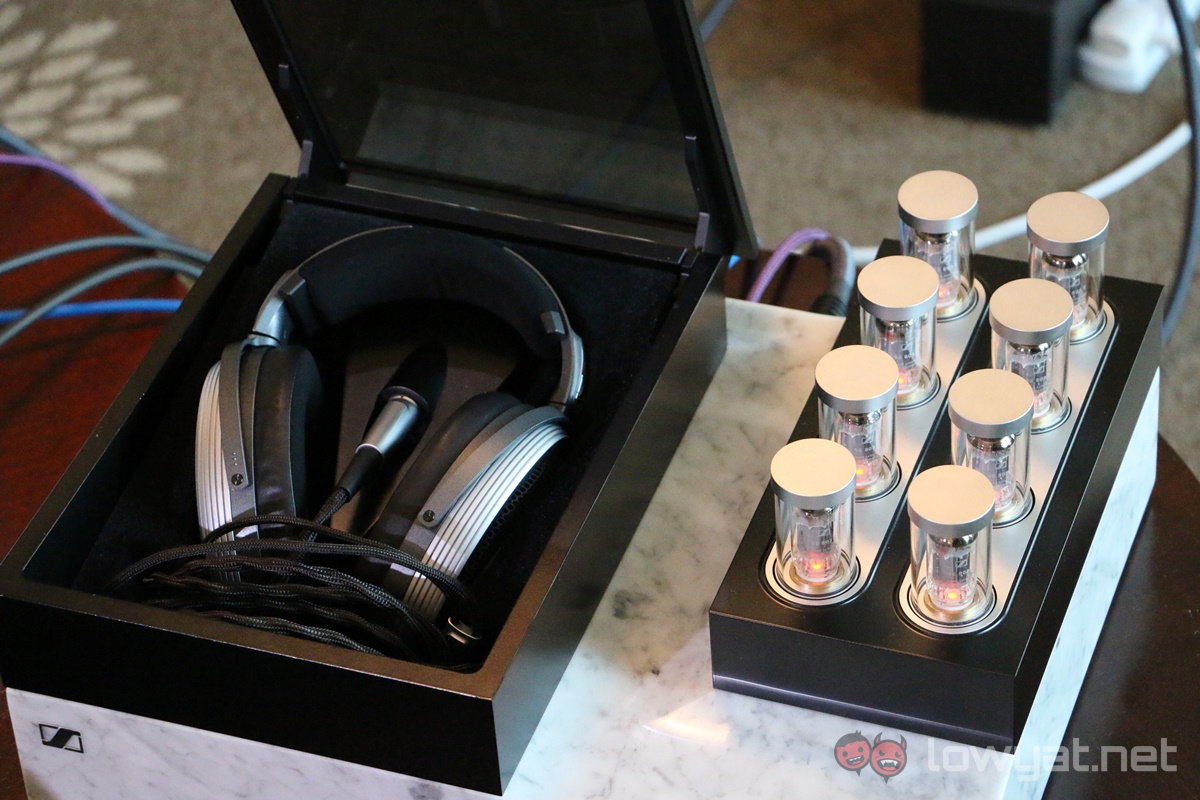
Owning the HE 1 isn’t just a feast for the ears. It is a complete sensorial experience that begins when you turn it on: the chrome control knobs begin protruding forwards, the tube amps slowly rise from the marble housing, before the glass enclosure opens to reveal the headphones underneath, beckoning you that it is ready to be worn.
For members of the media, Sennheiser wanted to replicate this feeling of luxuriousness. Men in dapper black suits walk you from the launch event to a posh suite, with windows overlooking lush greenery. Beyond, ships sail serenely in the sunkissed sea.
Another man offers to make a drink of your choice. Meanwhile, beautiful women in long black dresses gently brief you on what’s going to happen next: I will have six minutes with the HE 1, and a Sennheiser representative will show me a three-course menu of tracks that I will listen to. In the meantime, I could head over to a separate room to enjoy the appetiser: Sennheiser’s other range of audiophile headphones.
When my table was ready, I was escorted to my seat, and I was asked if I was excited about what I’m about to experience next. The Sennheiser rep switched on the HE 1, and the machine, with all its thick “audiophile-grade” cables, began to silently prepare my meal.
I examined the headphones, which was lighter than how it looks. The thick intertwining braided cables, then the metal earcups and its soft leather earpads. Like fine wine, this was something I needed to savour; I was very aware of the fact that this will be the only time I ever get to hold them.
I put the headphones on. The earpads were built similar to the HD600, with a slightly narrow fit, but they were okay after a bit of adjusting. “Are you ready for the first track?” I closed my eyes, and nodded.
The Repertoire
Suddenly, Amber Rubarth’s “Strive” washed over and around my head. Individual musical instruments can clearly be heard coming from a very wide sound stage; it’s an almost “tickling” sensation only audiophile-level headphones can achieve, tricking the brain that I’m right in the middle of where the musicians are. The strings felt like they were being plucked centimeters away; it gave me goosebumps.
There was great energy in the track, and the HE 1’s warm output enhances them without being overpowering. But this was a track that’s only 77 seconds long, and before I know it, the next track began playing.
Owning a pair of audiophile headphones have always been an intimate affair; you often hear the details you’ve never before heard previously on the same track. More importantly, the emotions of the singer as they sing can not only be heard, but it can be felt, and it isn’t uncommon to hear first-time owners drawn to tears listening to certain tracks.
As Jennifer Warnes began to sing “Somewhere, Somebody”, there was a similar feeling arising within me. Her voice, soft, mellow, and rich all at the same time, wasintimately reproduced as if she was singing right in front of me, before Max Carl jumps in with his own smooth tones.
Finally, the dessert, and what a strong dessert it was. Straight out of the 80s, “Money for Nothing” by Dire Straits was certainly challenging for the HE 1, but it balances the high snares and deep vocals almost without a sweat. I crank up the volume, and the headphones took it in its stride – no distortion, and the output just got louder and not noisier. Though at somewhere close to the 60% volume mark, the snares proved too sharp for me.
And that was that. My time was up. I stayed on to take photos, but also I was keen to see how the other members of the media responded to listening to the headphones. The women gasped, the men opened their eyes wide in wonder; it was almost intrusive of myself and the dozen or so others to be witnessing these moments.
I made my way out, and suddenly I felt not so special anymore.
After the Euphoria
In the hours after the session, I took some time to digest how best to describe the experience. The headphones were great, without a doubt, but why did I feel somewhat underwhelmed by the whole thing?
Let me start by saying I’m no audiophile. I love listening to music as much as any other person, but my ears are not trained to pick up nuances only few do.
I should also mention that several months ago, Sennheiser invited me to listen to a wide range of headphones, including its latest flagship monitoring headset, the HD 800S. As someone who hasn’t listened to audiophile headphones before, that was a life changing moment; listening to Adele almost brought tears to my eyes.
Perhaps that is why I didn’t feel completely overwhelmed while listening to the HE 1. I am in that weird middle ground where I have listened to and appreciated the existence of audiophile headphones, but do not have the trained ears of an enthusiast to pick up the tiny details that separate the HD 800S to the HE 1.
Moving on to another subjective matter, I found the HE 1 to be not as comfortable as the HD 800S. The narrower earcups has a closer fit compared to the generously roomy one on the HD 800S, which I completely forgot I had on after a few minutes; they were that comfortable. Of course, everyone’s head sizes are different, so this is perhaps the most subjective part of this write up.
—————————-
I was recently at a global event where I attended a briefing which talked about the technological innovations a certain company made to create its 2016 flagship product; how its engineers fashioned new designs and even new material compositions to make it thinner and lighter than previous models.
But after a certain point, the speaker said, it won’t make sound business sense to pursue ever thinner and lighter machines. It’s easy to make a laptop that’s 50% thinner if the previous model was 4cm thick, for example, but to shave off milimeters from a laptop that’s less than 2cm would cost a lot more in R&D. It was a classic example of the law of diminishing returns.
And that’s where I see myself concluding my impression of the HE 1. The HD 800S, which costs almost 50 times less than the HE 1, is something like 96-97% as great as the HE 1. For that few extra percentage points, would you pay an additional RM200,000?
At the same time, I’m perfectly aware of how practical my whole argument is. Sennheiser did not build the HE 1 to be a practical product. It’s the supercar of the audio world, with a single aim of being the best headphones ever made. It’s built on passion, not dollars and cents. And just like the Bugattis and Koenigseggs of the world, they tingle with every single one of your senses, and evoke emotions you never knew was possible from a machine.