Advertisement

Showing posts with label buffet. Show all posts

Sunday, 4 October 2015

Rocku Yakiniku Japanese Charcoal Grill @ Pavilion

At Rocku Yakiniku, guests could savour the classic Japanese charcoal grill experience in buffet style. But Rocku Yakiniku has a few things up their sleeves that set them apart from the other BBQ restaurants. It is the first of its kind to incorporate live and modern entertainment in a casual sit-down BBQ. This unique concept of restaurant, dubbed as “restaurtainment” actually originated from Singapore and aims to deliver a fresh dining experience to diners in Malaysia.

Rocku-Yakiniku-Samurai-Wall-Art

Rocku-Yakiniku-Wall-Art
One noteworthy thing about Rocku Yakiniku is its cool, artsy atmosphere. The side walls of the restaurant are wallpapered in manga pages and the back wall features a hand-drawn mural of cartoon Samurai.
Rocku-Yakiniku-Restaurant-Stage
A small stage is set up at the center of the restaurant for various performances such as music, magic shows and game shows. Almost everyone has an unobstructed view of the stage. But for those who are seated at the side and near the front, you won’t miss anything thanks to a couple of aptly placed projector screens.
Rocku Yakinku Instagram Pavilion
There are two sessions of buffet here: lunch @ RM32.90++ and dinner @ RM49.90++. Both sessions last for 100 minutes, which could be extended at RM9.90++ for each additional 20 minutes. It might sound short but the time provided is actually more than enough to enjoy a satisfying meal. For avid Instagrammers, there’s a jail-like torture chamber located at the side of the entrance for a quick shot.
Rocku-Yakiniku-Entrance-Pavilion
The corridor leading to the dining area is flanked by various Japanese figurines, sake bottles and containers.
Rocku-Yakiniku-Seafood-Platter

Rocku-Yakiniku-Mussels
If you happen to have any dietary restrictions for personal or religious reasons, do let the staff know and they’d adjust the meat and seafood selection accordingly. Unless specified, a group of 4 is usually served with a platter of seafood, beef (imported from Australia and New Zealand) and pork. The seafood selection includes butter fish, salmon, prawn, scallop, squid, mussel and shishamo.
Rocku-Yakiniku-Beef-Platter
The meat platter offers a variety of cuts such as chicken thigh, rib eye, beef blade and beef striploin.
Rocku-Yakiniku-Pork-Platter
As for the pork platter it consists of finely sliced pork belly, bacon and shoulder.
Rocku-Yakiniku-Order-Chit
But of course you are not limited to ordering the platter alone. You could also check the ordering chit for a variety of food like lamb, chawanmushi, soup, rice and a variety of side dishes.
Rocku Yakiniku Salad Food Bar
While waiting for your orders to arrive, feel free to grab some vegetables and pre-cooked dishes from the hot food bar. Based on some random samplings we found the fried chicken and chuka idako to be the more enjoyable ones.
Rocku Yakinku Bar and Sauces
And while you’re here check out the ceiling which is full of hanging sake bottles. There are three dipping sauces available: ponzu, spicy miso and chili sauce. Personally, I think the spicy miso was the best and goes well with all kinds of meat and especially seafood.
Rocku-Yakiniku-Barbecue-Grill
One of the common problem about BBQ restaurants is that most of them leave you smelling like charcoal grill – even in those with huge smoke suction vents installed. Rocku Yakiniku acknowledged this problem and tackled it right at the root by installing the suction system around the grill instead of at the top. It really worked and the place was completely smoke-free.
At the start of the meal, the charcoal was burning incredibly hot so it would only take seconds for the thinly-sliced meat to cook on each side. Among the many meat and seafood options available, I think the seafood was the most delicious because of their freshness. The meat cuts were tender and good as well, just not as great as the seafood. But I might be biased since I have always preferred seafood to meat for BBQ.
Rockyu-Yakiniku-Seafood
The salmon, prawn and scallops were the three things I enjoyed the most hence the additional order.
Rocku-Yakiniku-Singing-Performance
Currently, the live entertainment performances are only available from Wednesdays to Saturdays from 7pm onwards. For a detailed schedule you should check out Rocku Yakiniku’s Facebook page for announcements or simply refer to the restaurant’s entrance display. There could be English, Korean, Cantonese or Mandarin music performances and various unique events not limited to magic and game shows.
Rocku-Yakiniku-Pavilion
If you ask me, RM49.90++ is actually a very reasonable price to pay for a quality Japanese BBQ buffet Rocku Yakiniku is offering. Moreover, the food is generally good (albeit somewhat lacking in choices) and the ambiance is uniquely great.
Although there were some minor issues such as mixed up order and drinks taking longer than it should to arrive, the experience was overall pretty pleasurable. Meat and seafood lovers on a medium budget should find Rocku Yakiniku an irresistible place to dine out.
Rocku Yakiniku – Japanese Charcoal Grill
Dining Loft @ Level 7
Pavilion Kuala Lumpur
168, Jalan Bukit Bintang
Tel: 03-2148 8884 (reservations line)
Business hours: 11am – 10pm daily

Sunday, 20 September 2015

JT Restaurant

It is a little known fact that The Heritage Club is open to the public. Granted, only club members are allowed to use its facilities like the tennis court and the swimming pool. However, guests are always welcomed to visit JT Restaurant Oriental & Western Cuisine at the west wing of the mansion.
First time visitors will be surprised to find the elegance of the restaurant's interior design. A marble-top drinks counter is flanked by ballroom-style dining tables and chairs. The indoor buffet counter is decorated with various ornaments to give a sense of grace and hospitality.
JT Restaurant serves Buffet Dinner on Saturdays and Sundays, between 6:30pm and 10:00pm. The buffet is priced at RM45.00. Upon special request, Buffet Dinner may also be available on other days, but outdoor stalls may not be available depending on the requester's budget and party size.
Starting with cooked dishes, Chicken Chop is coated with batter and grilled to golden brown. The flesh is quite succulent on its own, but the gravy enhances the flavor even further.
Grilled Salmon Fillet is served with salmon skin still intact. The moist cutlets are addictive within each bite. Dark sauce is provided, but I feel that it tends to overpower the true taste of fresh salmon.
As for Sautéed Potato, I like the fact that potato skin is kept intact as it provides better mouthfeel compared to peeled potatoes.
Generally, I find Spaghetti Aglio Olio to be oddly out-of-place in a buffet setting. Since it is prepared in a large batch and left to dry, the pasta does not have the appealing aroma of olive oil that distinctively defines this dish. On the plus side, the presence of mushrooms is certainly welcoming in any pasta dish.
Also included in the buffet spread is Risi E Bisi, an Italian rice dish which literally means "rice and peas". It looks and tastes nearly identical to Chinese-style fried rice. As far as I know, this Italian dish is customary served with a slightly soupy finish similar to risotto.
As for the salad section, the main attraction is smoked duck salad. The pleasant saltiness of smoked duck is gratifying indeed.
For a more modestly-flavored salad, mixed garden salad is also available. A mixture of fresh lettuce leaves, cherry tomatoes, julienned carrots and sliced cucumber are presented in a large bowl. Ranch and Thousand Island dressing are provided.
Incorporating some Japanese elements to the buffet line, a decked platter of sushi (寿司) is prepared.
Types of sushi available today are maki rolls (握り寿司), tamago nigiri (玉子握り), inari sushi (稲荷寿司) and California rolls (カリフォルニアロール).
Fresh loaf and minced tuna fish are presented alongside each other. I believe they are meant to be eaten as canapé.
Moving on to something on the sweeter side, children will be thrilled to find marshmallows of various colors and flavors.
A charcoal-heated grill is provided to toast the marshmallows. In my opinion, the best way to enjoy toasted marshmallows is by heating it through indirect fire, until a point where the outer surface becomes caramelized while the interior turns partially molten.
For desserts, jelly is provided on the plate or in individual glasses. Generally, I find the individual glasses of jelly to be more appealing to my taste buds.
Relive your childhood memories with some traffic cone jelly. This sweet treat is one of the few things that invokes nostalgic euphoria when stumbled upon.
The fruits platter consists of an assortment of various fruits including papaya, honey dew, green apples, watermelon and grapes.
Should customers prefer, the fruits cocktail is an excellent way to quench thirst.
Finally for beverage, coffee and tea are provided if you need to get your evening dosage of caffeine. For non-caffeinated drinks, fruit juice is also provided.
JT Restaurant's Buffet Dinner is regularly available on Saturdays and Sundays. If you prefer to avoid having heavy meals in the evening, try the Buffet Lunch (12:00pm-3:30pm, RM35.00) on Sunday noon.

Meanwhile, Semi Buffet Lunch (12:00pm-3:30pm, RM23.90) and Semi Buffet Dinner (6:30pm-10:00pm, RM38.90) are served on other days where the full buffet is not available. The semi buffet allows the diner to pick one main course from a list, and access to the buffet line for free flow of appetizers, soup and desserts. Finally, the à la carte menu is always available whenever the restaurant is open.

JT Restaurant is a halal-certified restaurant. Besides operating at The Heritage Club, the restaurant also provides catering service for corporate and family events. Customers can choose from a wide spectrum of dishes which include various Malay, Chinese, Indian, Western and Nyonya delicacies.

Name: JT Restaurant Oriental & Western Cuisine
Address: 2, Jalan Scotland, 10450 George Town, Pulau Pinang
Contact: 04-227-3373, 019-662-1673
Business hours: 12:00pm-10:30pm
Website: https://www.facebook.com/JTRestaurant
Coordinates: 5.41921 N, 100.30419 E
Directions: Driving along Scotland Road (Jalan Scotland) towards the Penang Botanic Gardens, follow the left curve to Jalan Utama. The Heritage Club is the building immediately on the left. JT Restaurant is located at the west wing of the building. There are no entry and parking fees for restaurant customers.

Saturday, 27 June 2015

Tao

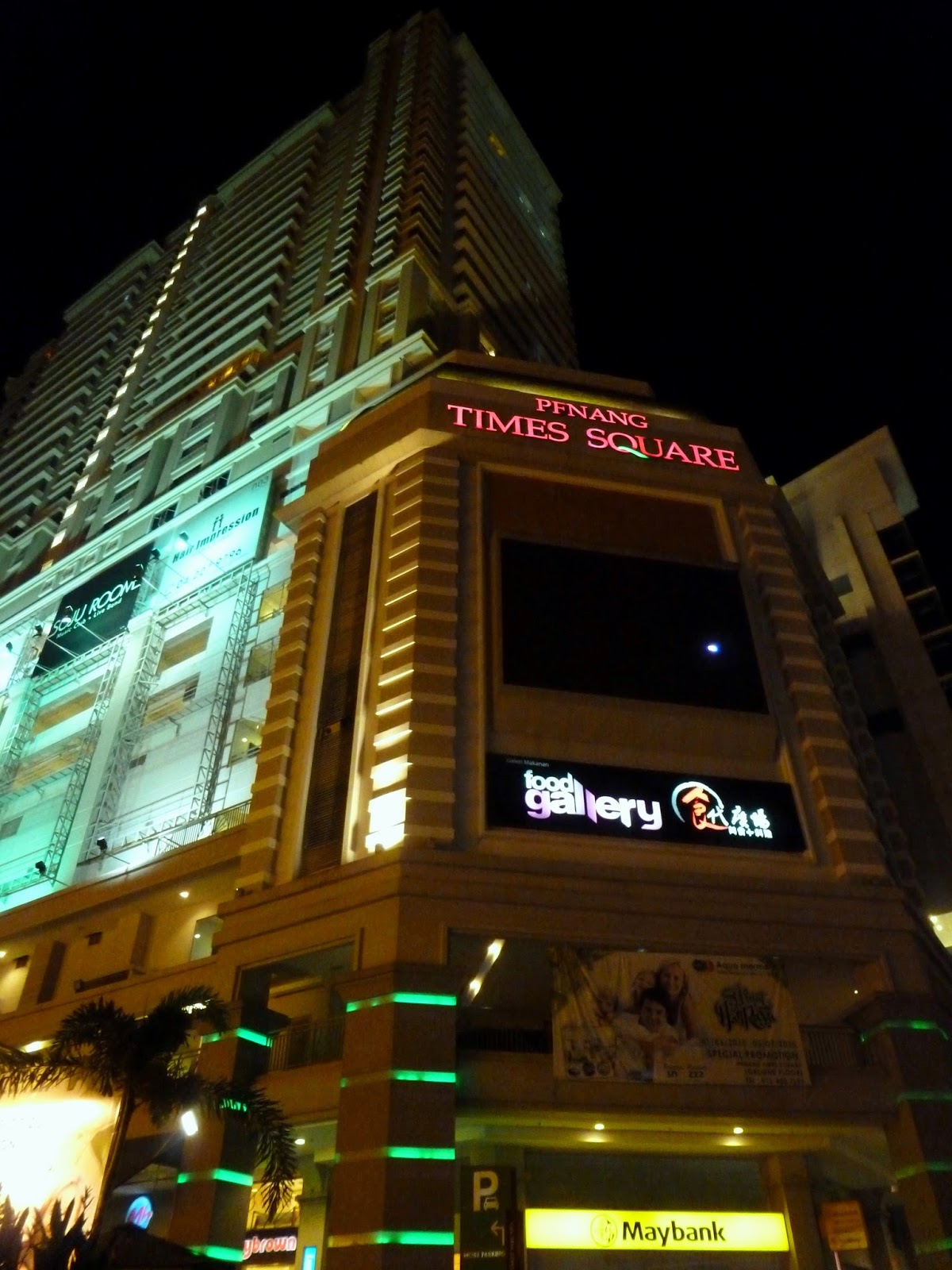
Ever since Penang Times Square opened its doors in 2009, it has not seen a fair share of shoppers compared to other shopping malls. Therefore, Penang Times Square is now focusing on the F&B niche lately. 
Tonight's dinner brings me to Tao Authentic Asian Cuisine (道), which moved here from e-Gate several years ago. It is under the same management as Kampai, which currently occupies the Tao's former premise.
Tao is a full service all-you-can-eat restaurant with emphasis on Japanese cuisine. Its upscale atmosphere provides relaxing ambience for family and corporate meals. Private dining rooms are also available upon request.
We started with some zensai (前菜) or appetizers. Chawanmushi (茶碗蒸し) is a steamed egg custard prepared in a small tea bowl. The slightly-salty custard is infused with several ingredients like crabstick (カニカマ), fish cake (蒲鉾) and gingko seeds.
Gyoza (餃子) is similar to its Chinese counterpart, potstickers. Unlike the latter, Gyoza has relatively thicker skin, therefore the dumpling feels doughy. Gyoza is filled with minced chicken, garlic and vegetables. It is pan-fried on its flat side first, then steamed to allow the other side to cook.
Gyoza is typically served with chili oil (ラー油), which is basically sesame oil with chopped chili pepper.
Another starter delicacy is Tao's Shrimp Patties (海老唐揚げ). These deep-fried pancakes are made from chopped shrimps and garlic chives mixed with flour batter. The pancakes also carry a respectable amount of spiciness.
Okonomiyaki (お好み焼き) is a different type of pancake with various seafood and vegetable toppings. Mayonnaise and tare (垂れ) sauce are also used. The phrase "okonomi" means "your preference". This explains why the toppings used in Okonomiyaki have so many regional variations.
Scallop Motoyaki (帆立素焼き) is an example of Japanese fusion cooking. These scallops are baked with spicy mayonnaise sauce to impart delectable savoriness. This dish is quite addictive, but it is quite surfeiting due to its creamy state.
Meanwhile, the star-shaped Crabmeat Cream Cheese (カニクリームコロッケ) contains crabmeat and cream cheese within its crispy flour skin. This snack is deep-fried until it turns crispy.
For most customers, the primary attraction at Tao is its sushi and sashimi choices. These delicacies can be enjoyed without impunity in an all-you-can-eat setting.
We started with assorted makizushi (巻きずし), which are rolled sushi. The Cheese Maki (チーズ巻き) is made from fried shrimp (海老), omelette (玉子), cucumber and sushi rice. The outer layer is coated with cheese for an appealing salty taste.
Next, U-Maki (う巻き) uses freshwater eel (鰻) at the center. The eel is then coated in seaweed (海苔), steamed rice and sponge cake. I find the use of sponge cake to be peculiar. Personally, I would have preferred omelette in lieu of sponge cake.
The Crunchy Roll (クランチーロール) is a deep-fried roll with pinkish raw fish at the center. The roll is served with tangy wasabi (山葵) mayonnaise dressing.
One of my favorites tonight is the Crazy Roll (クレイジーロール). With crispy tempura (天ぷら) shrimps at the center, this sushi is rolled such that rice faces outward, similar to California rolls. Smoked salmon is placed on top for its delightful saltiness.
Nigirizushi (握りずし) is another type of sushi where the rice is made into rectangular blocks, traditionally by hand but sometimes with help from a machine. Other ingredients are conventionally placed on top, but sometimes a small strip of seaweed is used to hold the topping in place.
Sake Nigiri (鮭握り) is one of the most familiar type of nigirizushi owing to popularity of raw salmon.
Also delectable in its own way, Maguro Nigiri (まぐろ握り) uses bright red raw tuna instead.
As for the Shiroi Maguro Nigiri (白いまぐろ握り), raw butterfish is used as the topping. Personally, I enjoy butterfish very much due to its fatty texture.
Ebi Nigiri (海老握り) features a piece of cooked shrimp on top of sushi rice. The shrimp's shell, with the exception of the tail section, has been removed for easier consumption.

Unagi (鰻), or freshwater eel, is one of the most highly-sought fish in Japanese cuisine. Unlike most fish, unagi is always cooked and never served raw. The flesh is seasoned with sweet tare sauce, such that its unique sweetness lingers on the tongue. One way to enjoy unagi is through the Unagi Nigiri (鰻握り).

Aburi Salmon Nigiri (炙りサーモン握り) is similar to regular salmon sushi, except that the salmon has been briefly roasted just before serving. The result is a lovely combination of raw and cooked flavors.
Hokkigai Nigiri (ホッキ貝握り) uses Atlantic surf clam as its topping. This saltwater clam is usually farmed in aquaculture facilities near Hokkaido (北海道).
Meanwhile, Ika Nigiri (イカ握り) features a thin slice of squid, which is quite rubbery in texture. I personally love the delightful mouthfeel of raw squid.

An oddball in the seafood department, the Tamago Nigiri (玉子握り) uses a piece of sweetened omelette. The omelette is held in place using a strip of seaweed.

Sashimi (刺身) is essentially cold-served raw fish. Sashimi is typically eaten with wasabi to get rid of the raw smell and allegedly to provide a certain degree of disinfection. As expected, the Sake Sashimi (鮭刺身) is among the crowd favorites.
Also succulent is the reddish Maguro Sashimi (まぐろ刺身). Although its texture is not as smooth as salmon's, tuna flesh carries a faint sense of saltiness which I truly enjoy.
One should not overlook Shiroi Maguro Sashimi (白いまぐろ刺身). The fatty nature of butterfish rivals that of salmon.
Last but not least, Aburi Salmon Sashimi (炙りサーモン刺身) is quite gratifying too. Like its sushi counterpart, the salmon flesh is partially cooked on one side, but still quite raw on the other.
As for agemono (揚げ物) or deep-fried dishes, one of the most delectable dish is Soft Shell Crab Karaage (ワタリガニ唐揚げ). Typically, this dish uses Japanese blue crabs which have recently discarded their old exoskeleton. Since the new shells have yet to harden, the crabs are soft enough to be eaten entirely.
Kaki Karaage (牡蠣唐揚げ) is a dish of oyster covered in flour batter, then deep-fried to golden perfection. Sesame seeds and tomato dressing are used to enhance flavor. Personally, I feel that this cooking style does not suit my palate; I prefer to eat raw oysters instead.
Tao has an open kitchen for grilled dishes. In front of the iron griddle, there is a chilled display counter where frozen ingredients for yakimono (焼き物), i.e. grilled dishes, are presented.
The Lamb Teriyaki (子羊照り焼き) is one of the major highlights of Yakimono. The mutton carries bold, succulent flavors due to extensive teriyaki sauce marinate. It is advisable to consume the meat while it is still hot, otherwise the lamb becomes less palatable.
Saba Shioyaki (鯖塩焼き) features a generous piece of mackerel, salted and grilled to perfection. I love the coarse texture on its crispy skin. On the side is a pinch of grated daikon (大根) for cooling effect.
Next, Sake Teriyaki (鮭照り焼き) is a slice of salmon fillet, which is grilled on both sides and served with teriyaki sauce. Personally, I prefer to consume salmon in its raw form.
Like Chinese counterparts, Japanese cookbooks rarely allow leftover ingredients to go to waste. Every part of an animal is almost always made into something useful. For example, the Kabuto Teriyaki (兜照り焼き) uses salmon head which is otherwise discarded. The name of this dish is intuitive, as "kabuto" refers to the helmet worn by the samurai caste during feudal Japan.
In the dish Misoyaki (味噌焼き), a piece of butterfish is marinated in miso sauce, then grilled until it is completely cooked. The flesh carries saltiness which is easily mistaken as spoiled fish. In reality, its saltiness is deliberate and is due to miso sauce content.
As for Smoked Duck (燻製鴨), it is grilled on a hot plate known as teppan (鉄板). Tender slices of smoked duck, abalone slices and chopped celery are used to prepare this lovely dish.
Next on the dining table is Chicken Ban Ban (チキンバンバン). This is essentially a piece of grilled chicken cutlet, flavored with tare sauce and topped with katsuobushi (鰹節). Made from smoked skipjack tuna, the katsuobushi flakes are very light, therefore they appear to "dance" in the slightest breeze.
Very often than not, Japanese street food includes kushiyaki (串焼き), where small pieces of meat are prepared on bamboo skewers, then slowly roasted over open fire. For the Beef Bacon Kushiyaki (ビーフベーコン串焼き), beef bacon is wrapped around leek, then roasted until the bacon is cooked.
The Sake Kushiyaki (鮭串焼き) is a scrumptious dish indeed. Bite-size salmon pieces are nicely grilled over flame, such that the skin on one side attains lovely crisp.
Moving on to Ebi Kushiyaki (海老串焼き), whole shrimps are grilled on skewers until the flesh within the shells turn red. The shrimps are lightly salted for more appealing taste.
Oden Kushiyaki (おでん串焼き) is essentially fishcakes cooked in kushiyaki style. Japanese diners often associate "oden" with a dish where fishcakes, daikon and other ingredients are stewed in savory broth. However for this case, "oden" carries the Korean meaning, which refers to the fishcakes themselves.
Moving on to itamemono (炒め物) or stir-fried dishes, the first dish to delight my taste buds is 3-Cup Squid (三杯酢烏賊). Squid and basil leaves are cooked in a nice blend of savory gravy, comprising of soy sauce, vinegar and rice wine.
Sake Hamaguri (酒ハマグリ) offers a stronger sense of alcohol due to its sake (酒) content. I feel that more sake ought to be used in view of the number of clams here.
As for Kimchi Ika (キムチ烏賊), this dish offers tantalizing sourness thanks to napa cabbage kimchi. This dish is quite spicy, so consume with care if you are not used to kimchi.
Meanwhile, Yasai Itame (野菜炒め) is a classical stir-fried dish with various mushrooms and vegetables. The use of leek helps to impart juiciness to the entire dish.
As for donburi (丼), i.e. steamed rice dishes, Tori Katsu Don (とりカツ丼) is served tonight. Served in a lidded bento (弁当) box, steamed rice is topped with hearty pieces of fried chicken fillet, eggs, pickled vegetables and seaweed. This dish is popular among Japanese students who are sitting for examinations, because the word "katsu" is a homophone of the word "勝つ" (victory).
As for menrui (麺類) or noodles dishes, the first choice tonight is Shabu-Shabu (しゃぶしゃぶ). The pot of savory broth is enriched with lovely ingredients such as chicken, scallops, shiitake mushrooms (椎茸), enoki mushrooms (榎茸), egg and udon (うどん) noodles. The pot is kept warm using a gas burner, but it is advisable turn down the fire after the broth has boiled, otherwise it may overflow and result in a mess.
Japanese cuisine is notable for being able to bring out gastronomical appeal in cold noodles. A classic example is Hiyashi Udon (冷やしうどん), which is served in a chilled broth of sweet soy-based sauce.
As for desserts, there are a handful of pastries, chocolate and ice-cream at the self-service section of the restaurant. Personally, I feel that any vacant stomach space is better reserved for Japanese dishes instead.
Tao's buffet is priced at RM71.92 per person. For non-holiday weekdays, lunch is available at reduced price of RM59.16. Given the large variety of Japanese delicacies, Tao is a viable place to indulge in sporadic gluttony.

Name: Tao Authentic Asian Cuisine (道)
Address: 1-35, Penang Times Square, Jalan Dato Keramat, 10150 George Town, Pulau Pinang
Contact: 04-228-5826
Business hours: 12:00pm-4:00pm, 5:30pm-10:30pm (Monday-Thursday), 12:00pm-4:00pm, 5:30pm-11:00pm (Friday-Sunday)
Website: http://www.tao-cuisine.com
Coordinates: 5.41250 N, 100.32554 E
Directions: Tao is located at the 1st Floor of Penang Times Square, on the east side of the building. Penang Times Square has plenty of parking spaces at the open plaza, basement and upper levels.