Sony’s mobile division has certainly seen better days. When the company unveiled the new Xperia X lineup (which
replaces the Xperia Z series), it seemed like a fresh start for the Japanese company. However, after using the Xperia X – the mid-range device in the series – for the past two weeks, I was left…puzzled.
That is not to say the Xperia X is a bad smartphone. But for a RM2,499 device, I expected much more from it.
Design & First Impressions
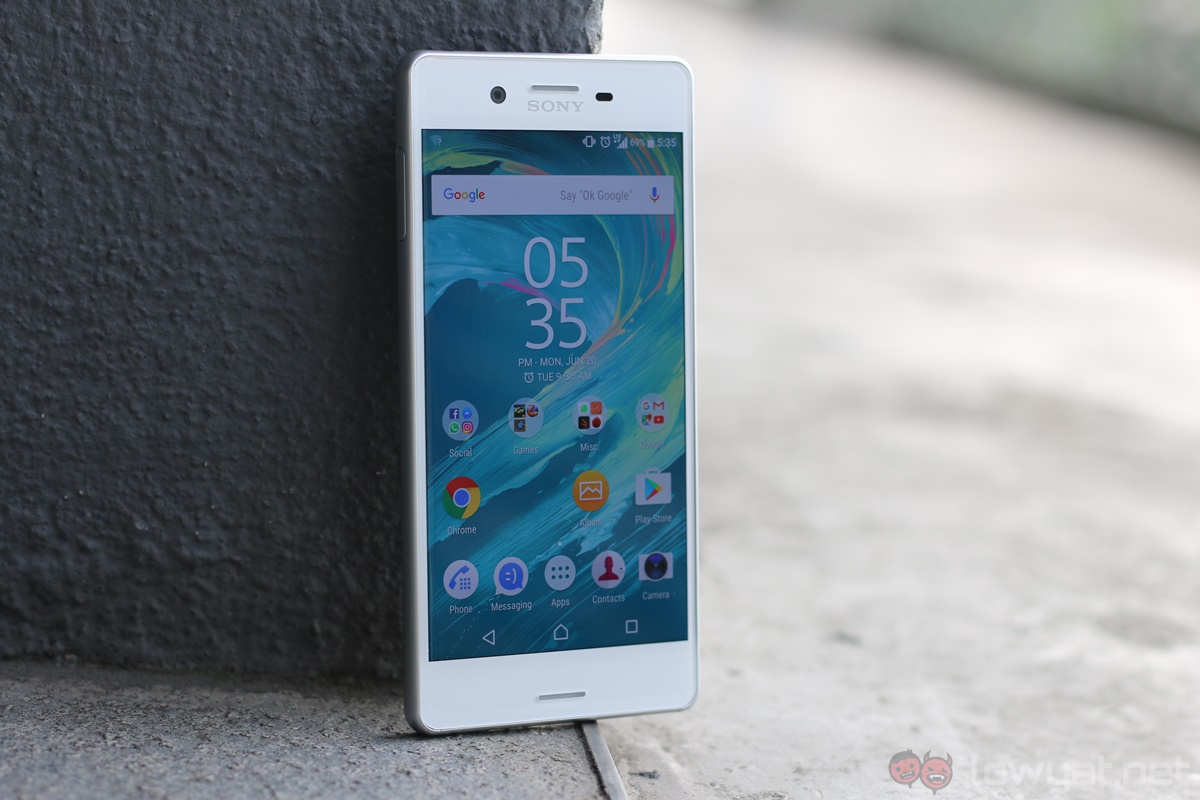
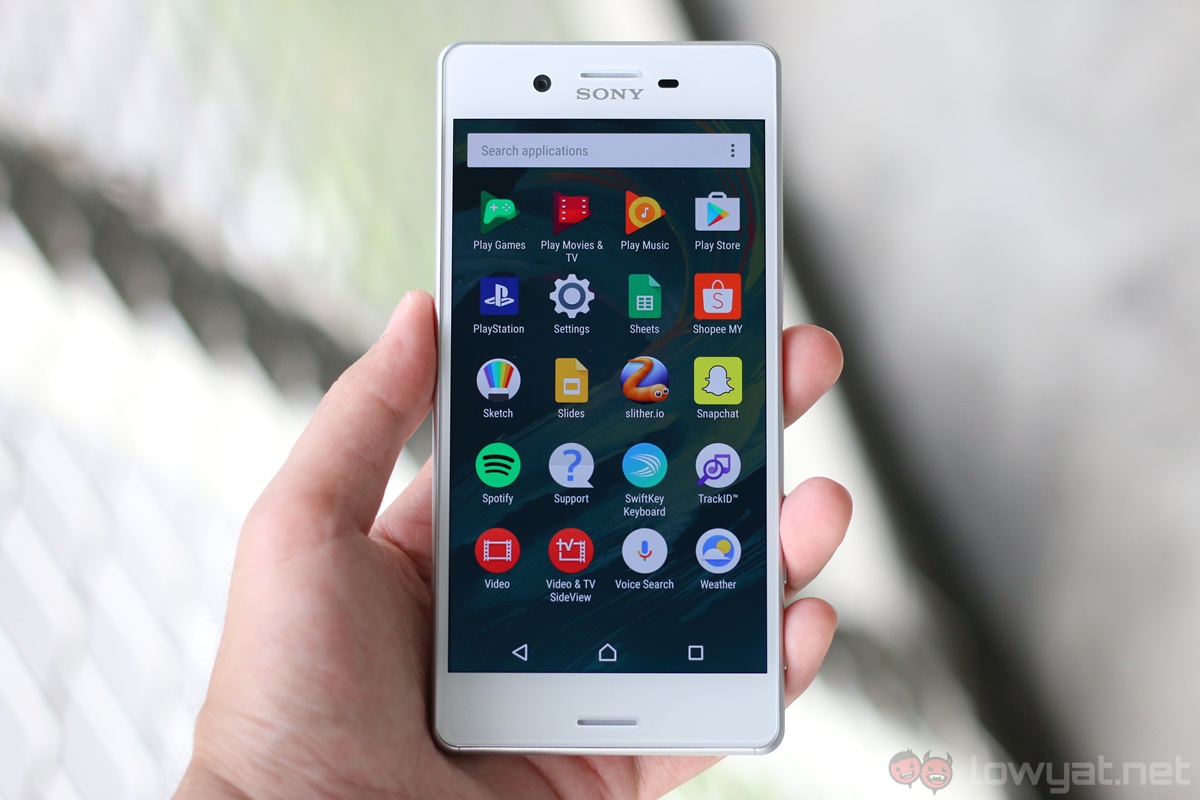
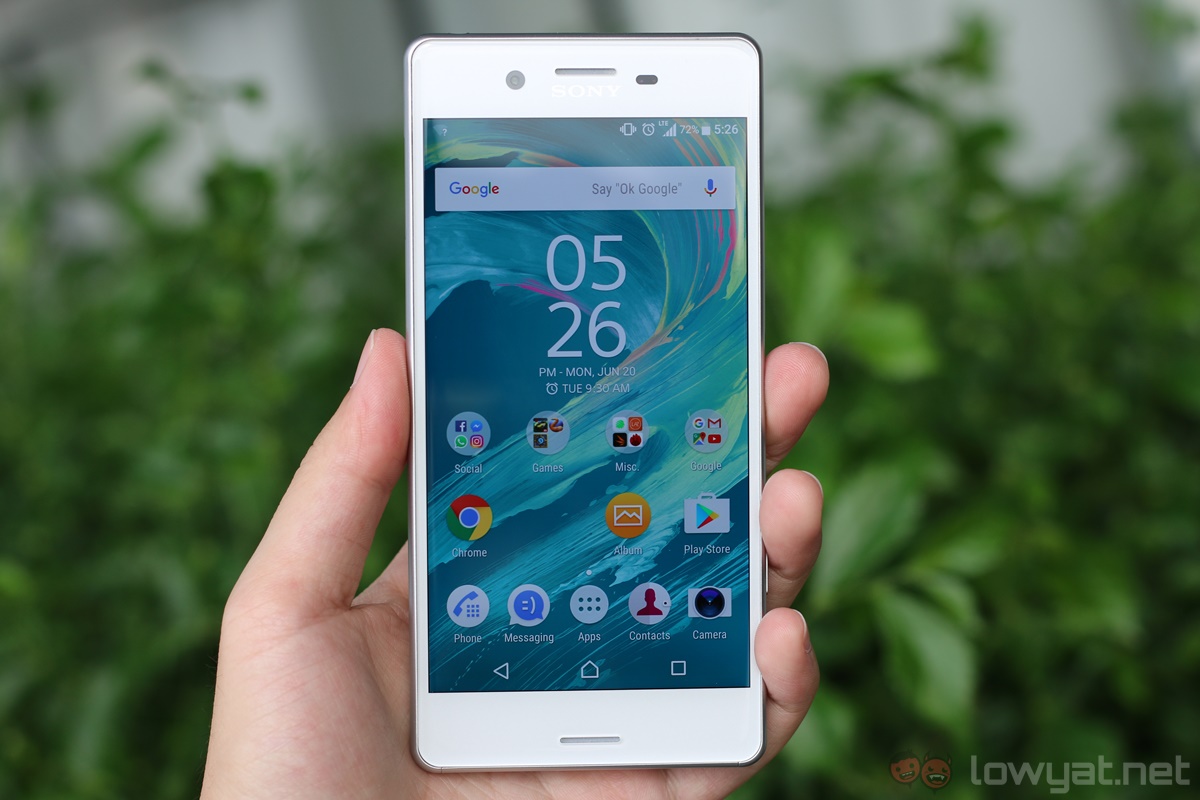
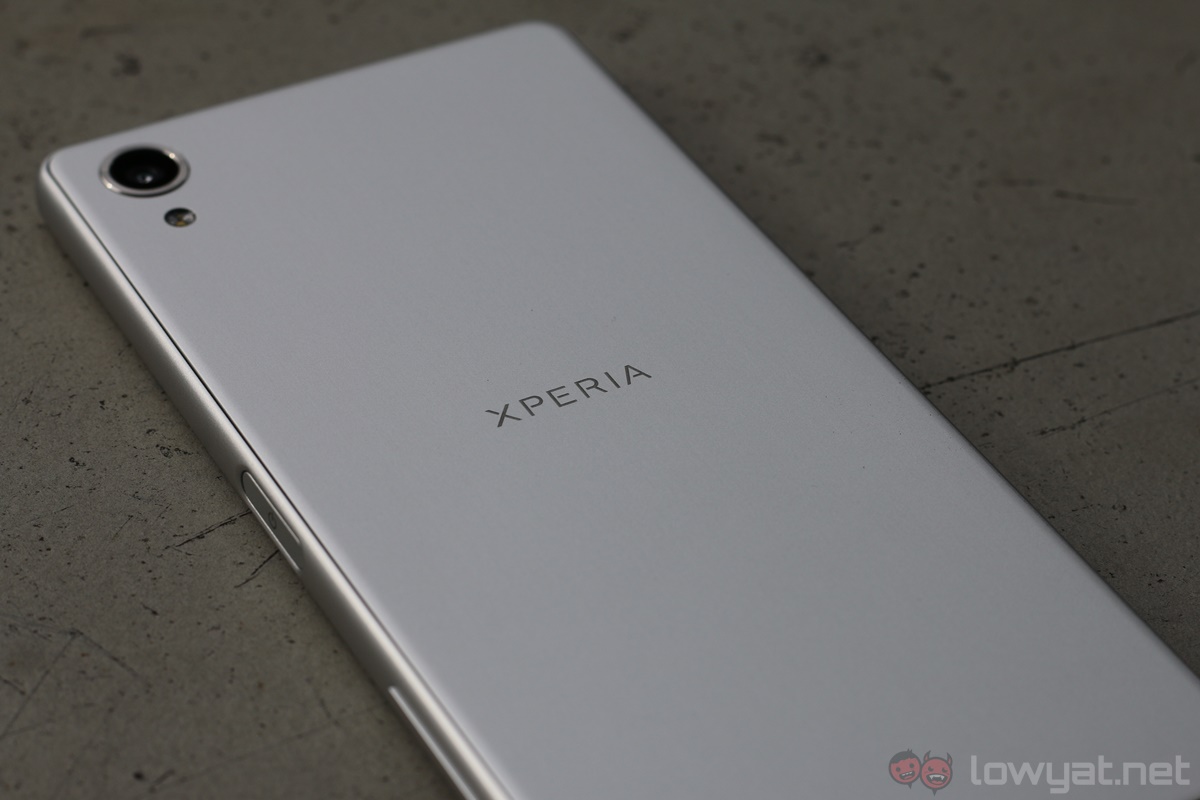
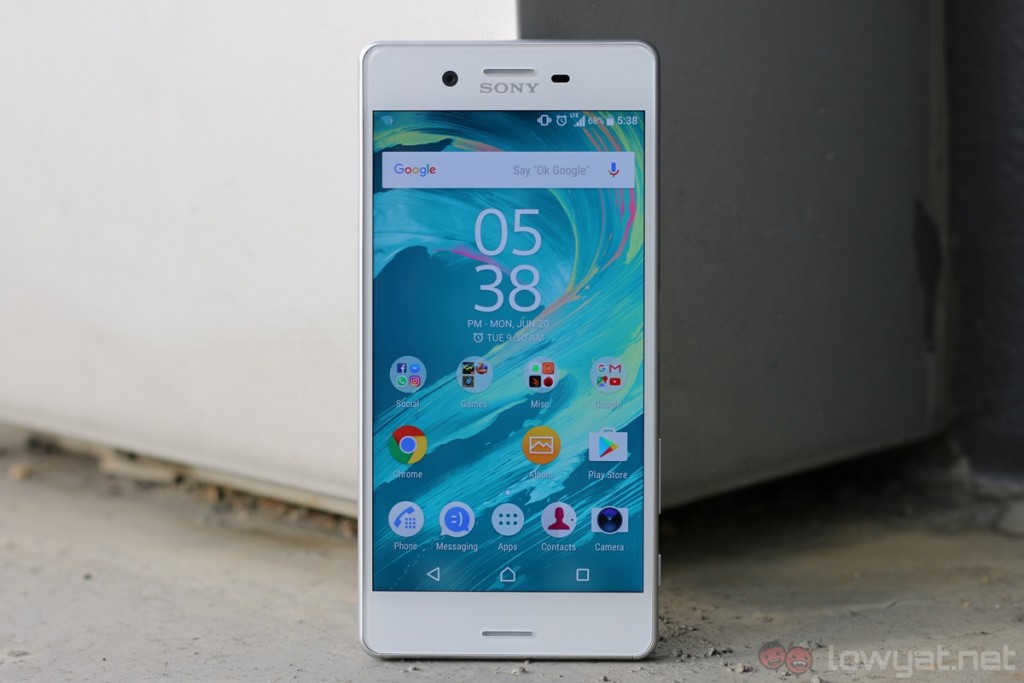
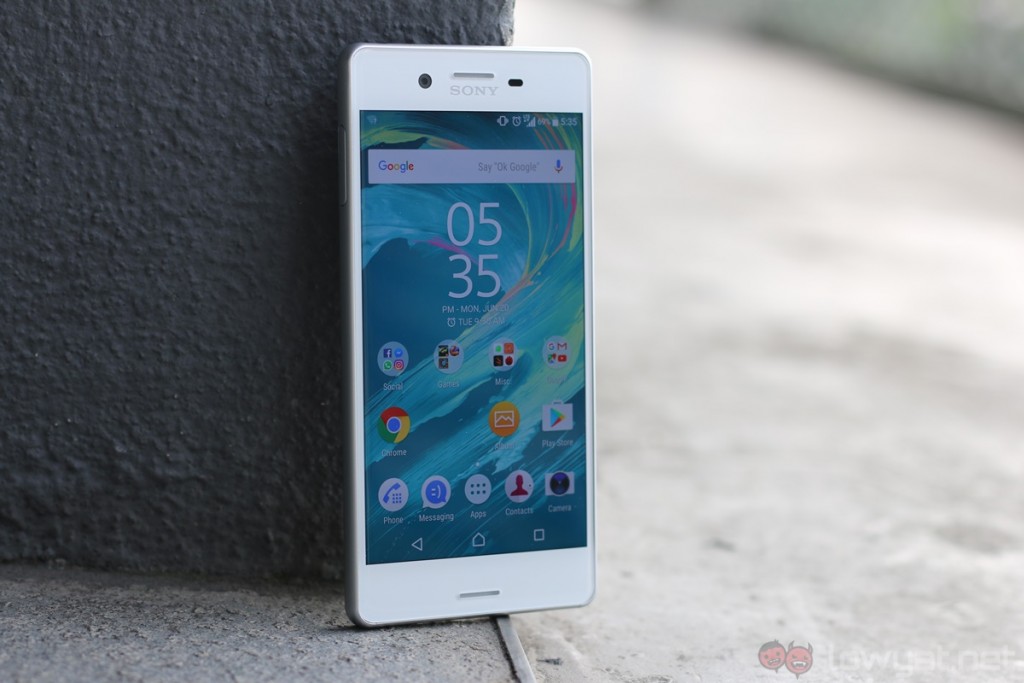
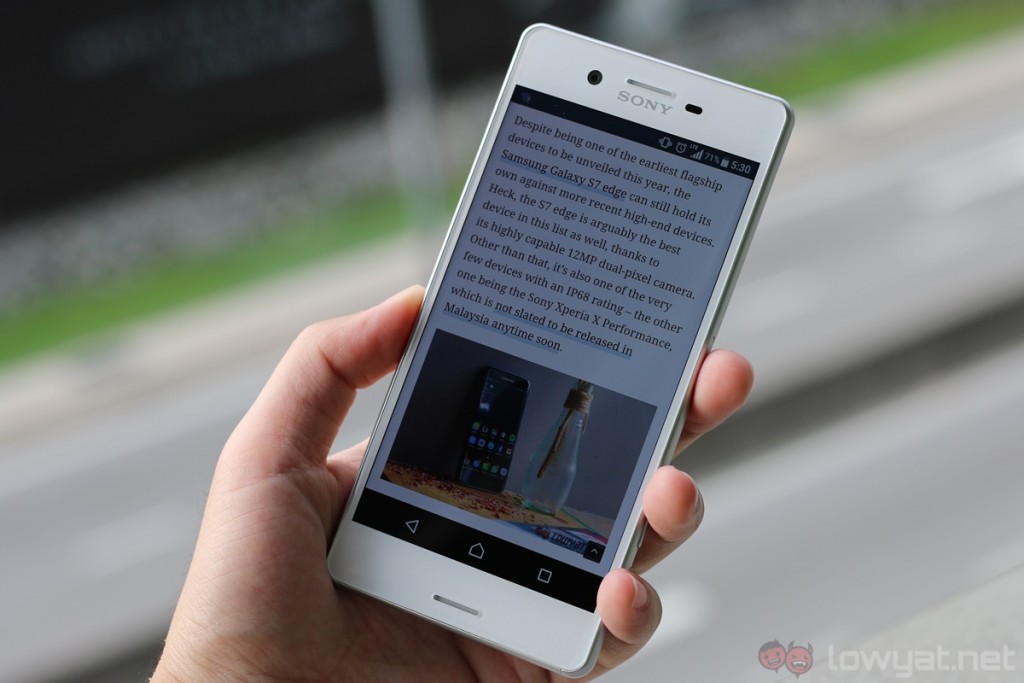
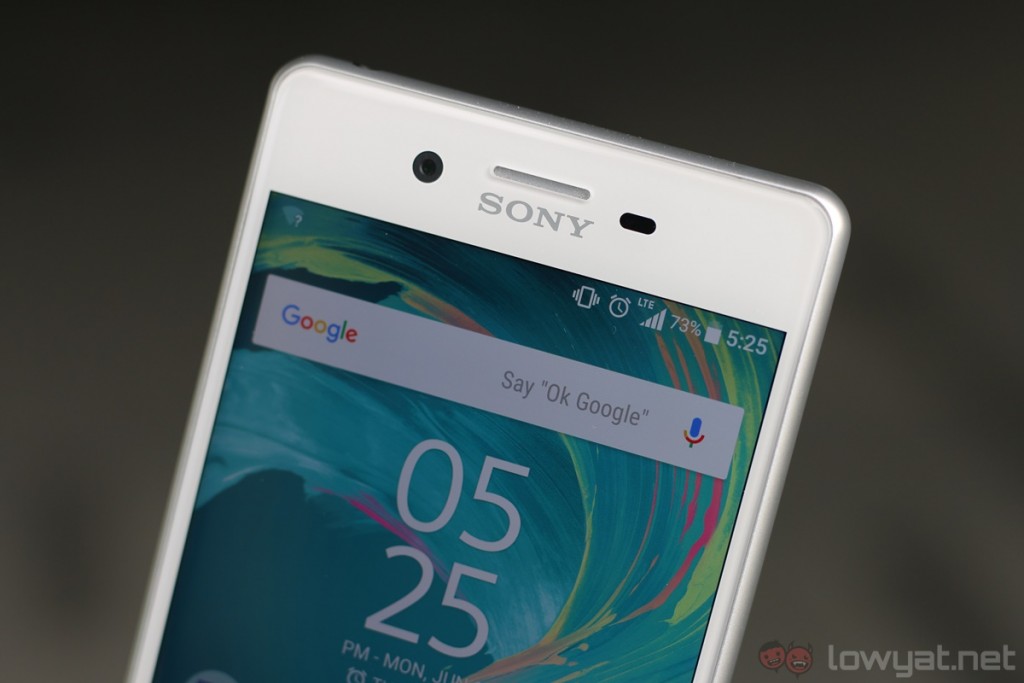
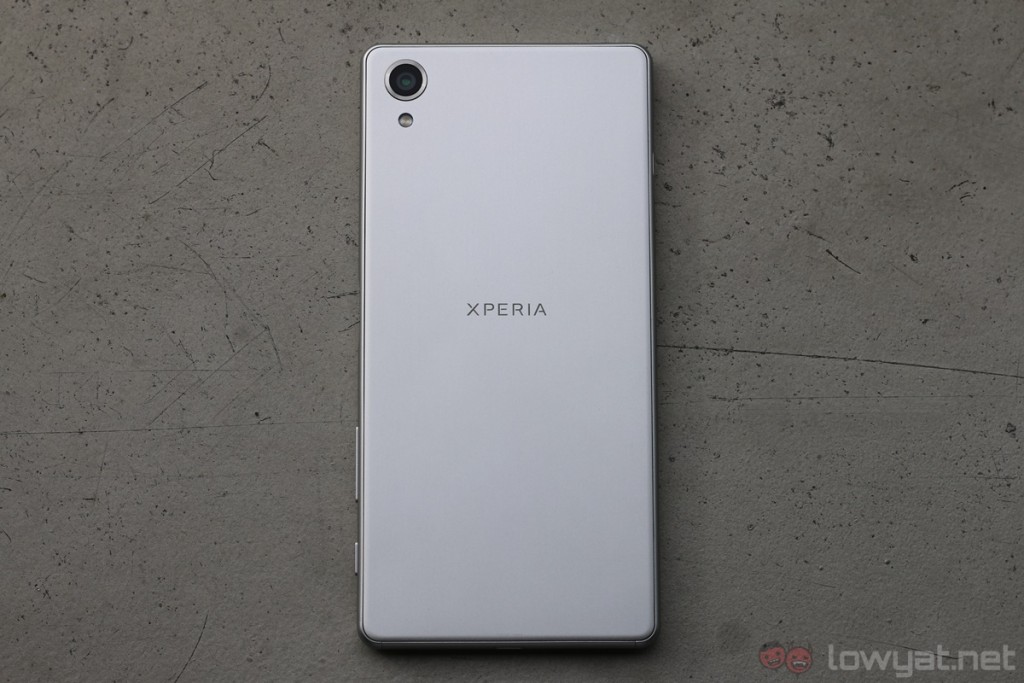
Although the Xperia X is under a brand new lineup, Sony’s OmniBalance design language is still present on this device; there’s no mistaking that this is a Sony smartphone. When I held the Xperia X in my hands, it feels remarkably similar to the
Xperia Z5, only better. There are no hard edges to be found here, and its simple and minimalist design is quite appealing.
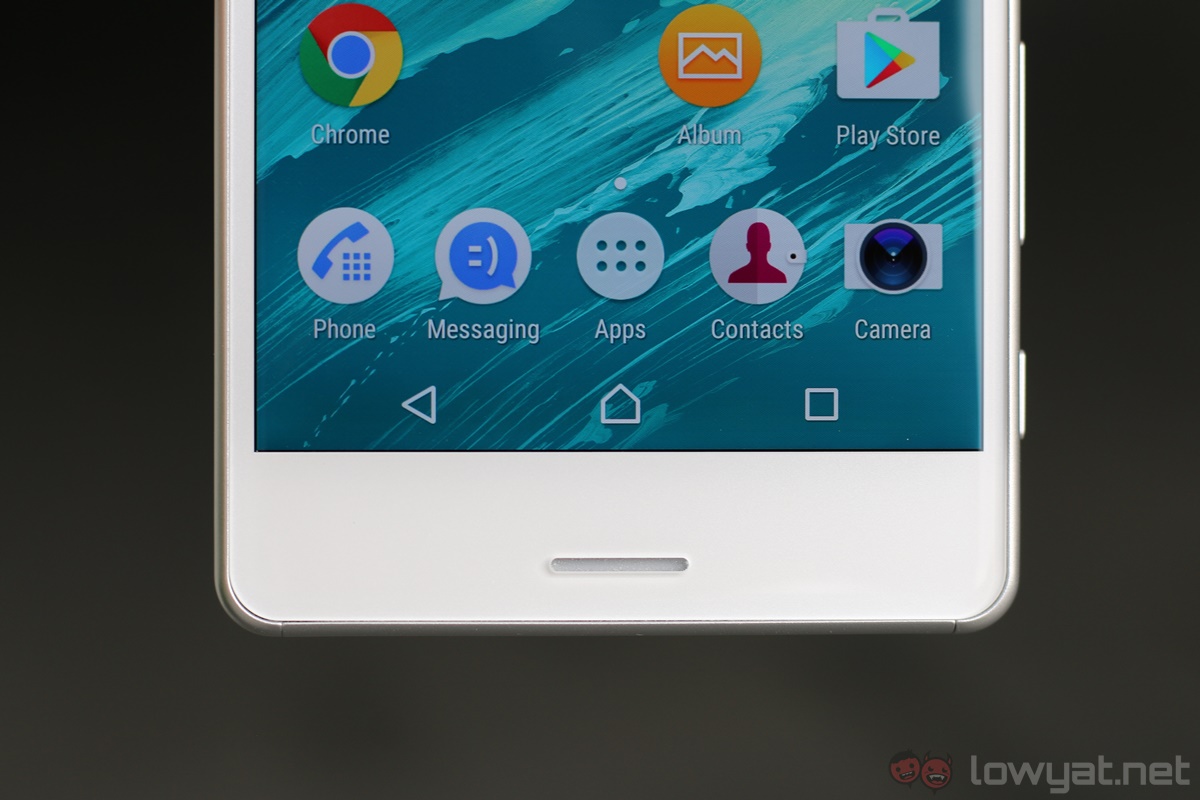
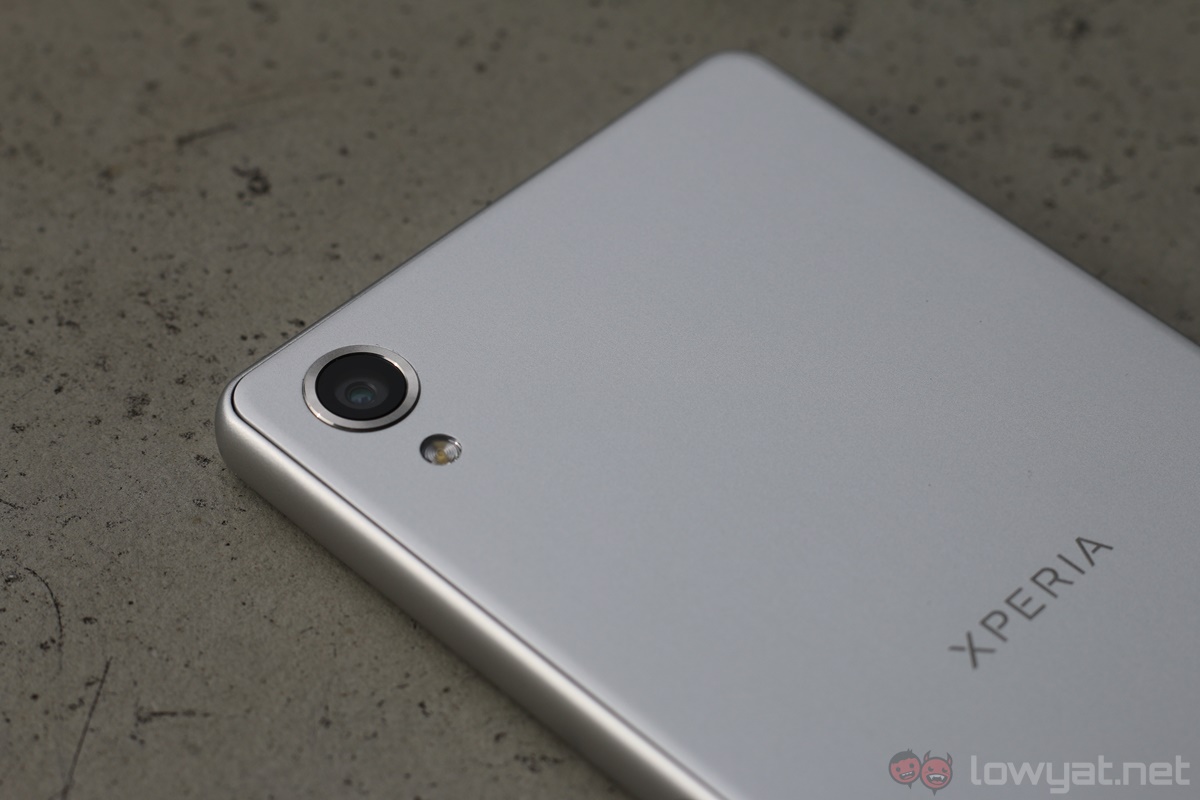
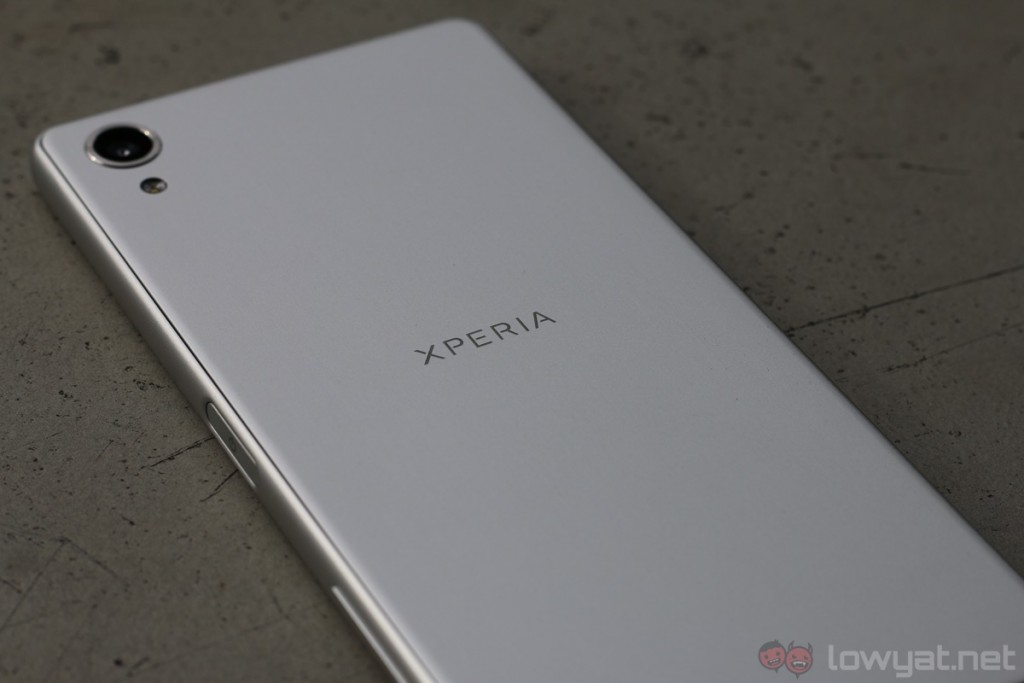
That being said, the Xperia X doesn’t feel as premium as it should be. While the metal back is nice to the touch, its matte surface makes the phone very slippery. The polycarbonate frame doesn’t exactly scream premium either, although it is comfortable to hold.
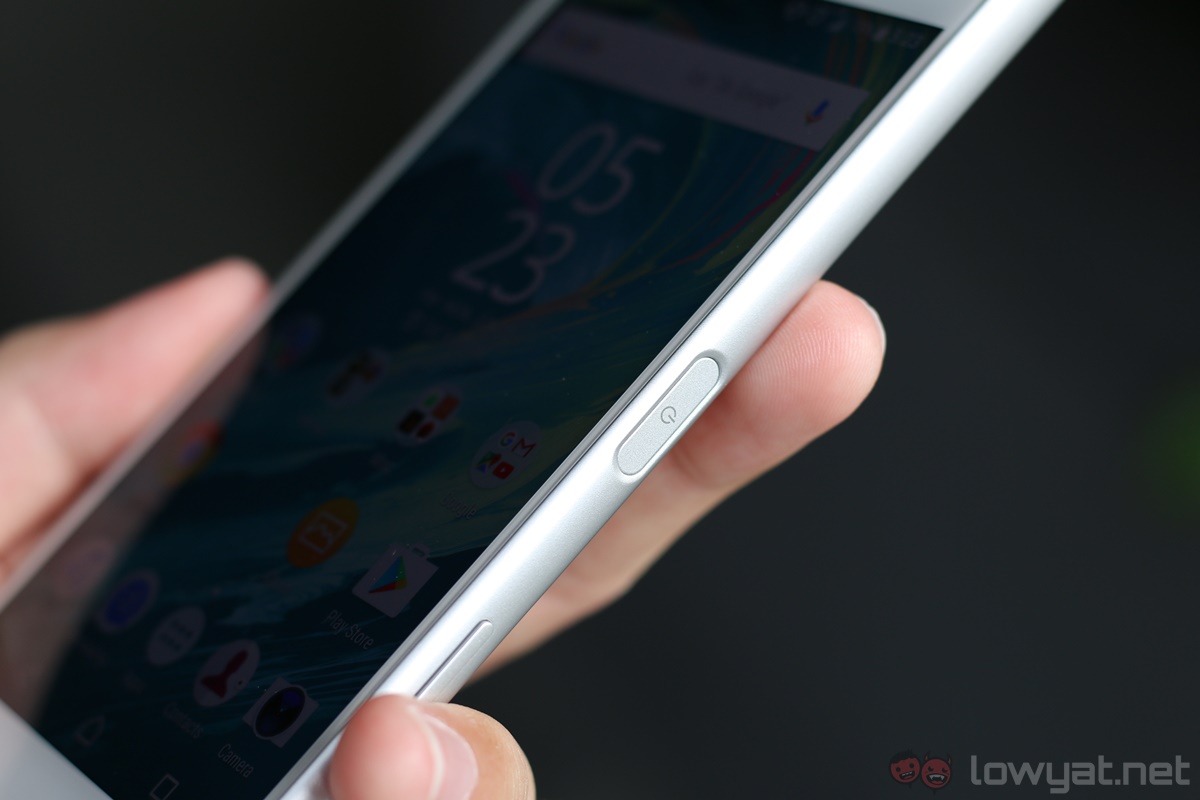
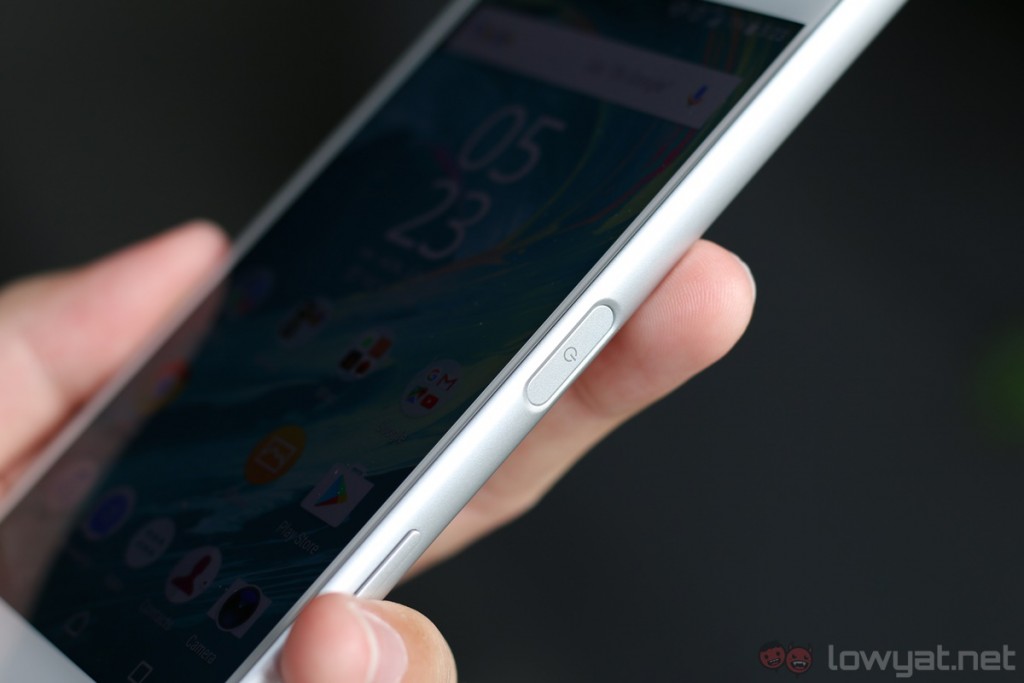
Aside from that, I was very impressed with the Xperia X’s fingerprint sensor. In comparison to the one found on the Xperia Z5 Premium, it is much, much faster. The fact that the sensor is integrated into the power button of the device makes it much more intuitive to unlock the device as well; I can even do so naturally with the device sitting on a desk.
On top of that, a quick tap is enough for the sensor to register my fingerprint, and the accuracy has been improved immensely. That being said, the sensor still has difficulty recognising my fingerprint when my fingers – or the sensor itself – are not completely dry.
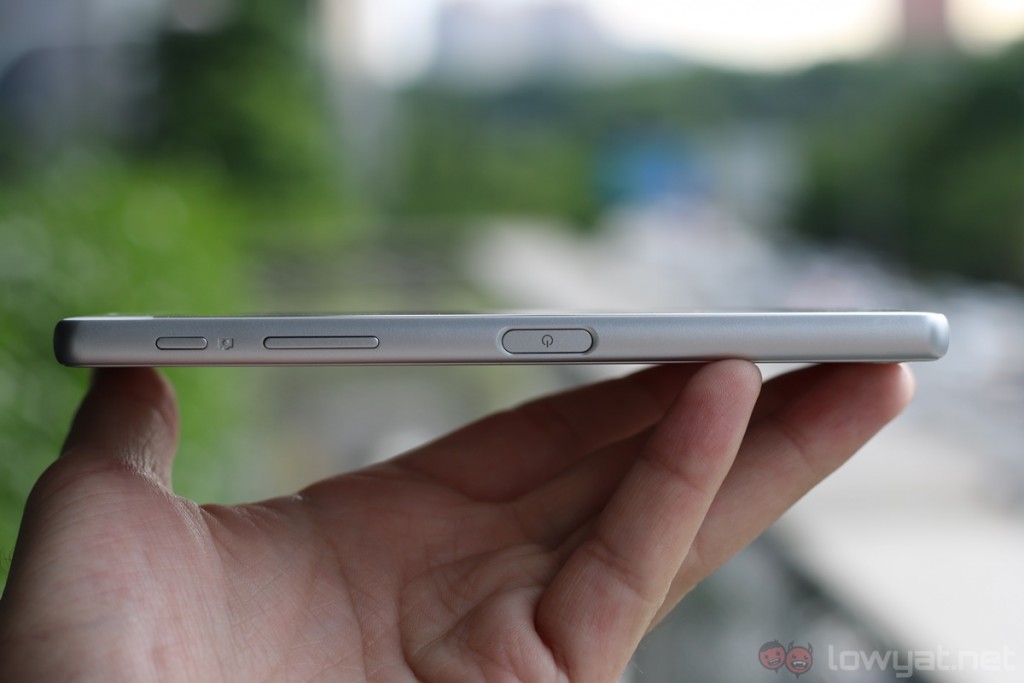
Just like the Xperia Z5, all of the Xperia X’s buttons are on the right side of the device. To make things even more awkward, the power button is a little recessed. This made it quite difficult to actually press the button at first, but I eventually got used to it after some time. Same goes for the volume rocker, which sits right below the power button.
The Xperia X is a sleek-looking, minimalist smartphone. Although I personally favour the almost bezel-less design of the
Xperia XA, this device is still quite a looker. Sure, the Xperia X doesn’t feel quite as premium to hold in comparison to other phones like the
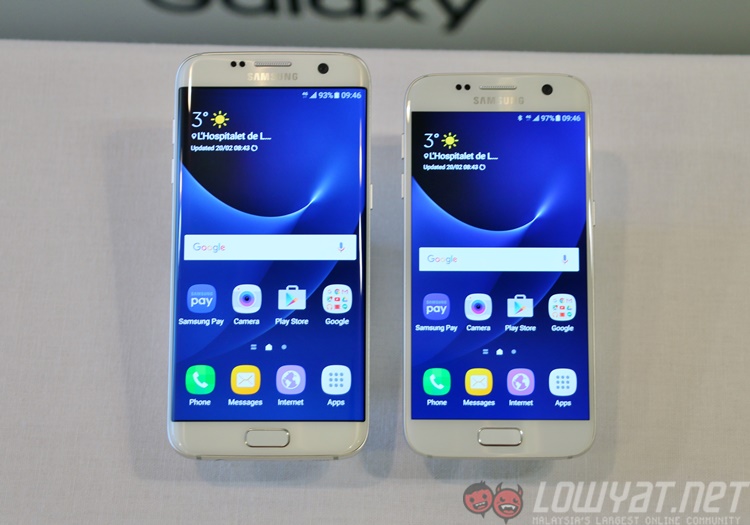
Samsung Galaxy S7 edge or the
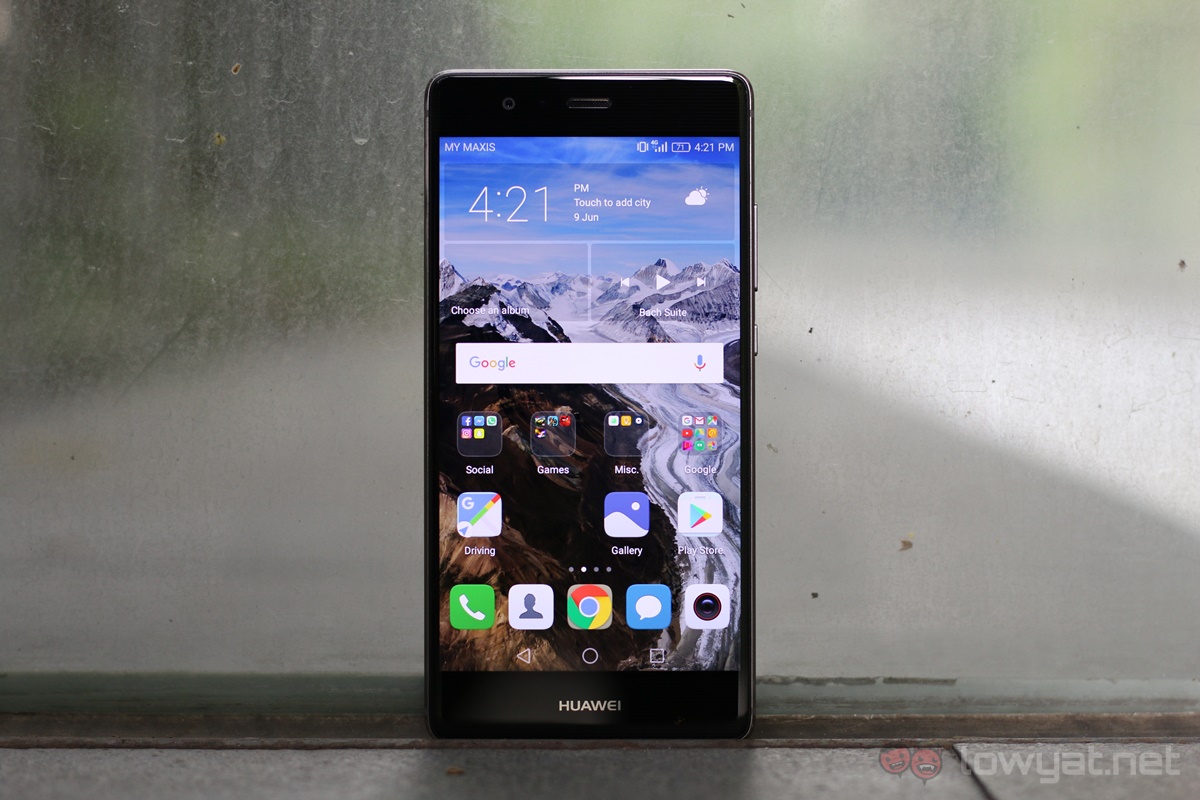
Huawei P9, but it certainly is an ergonomically sound smartphone.
Hardware
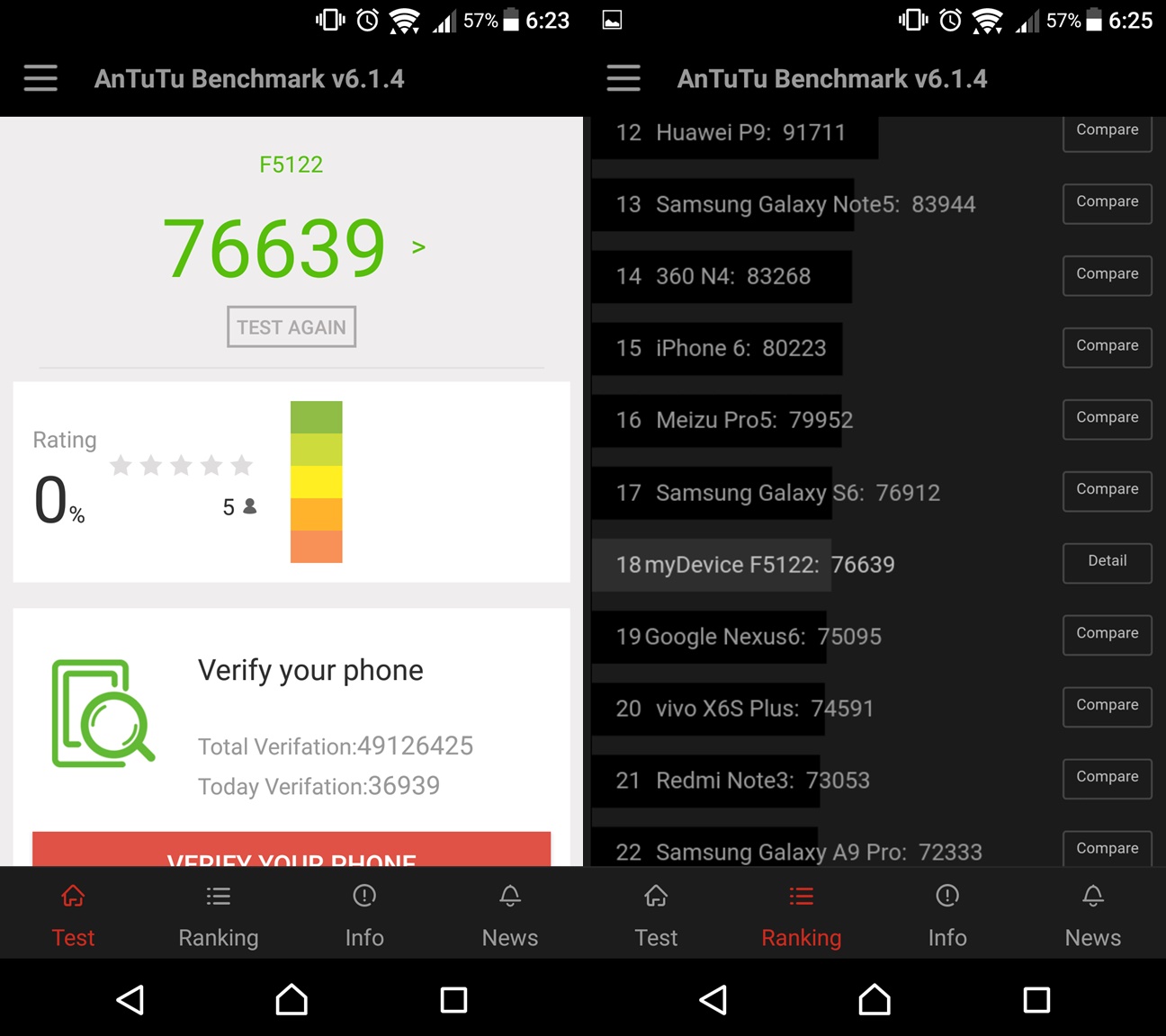
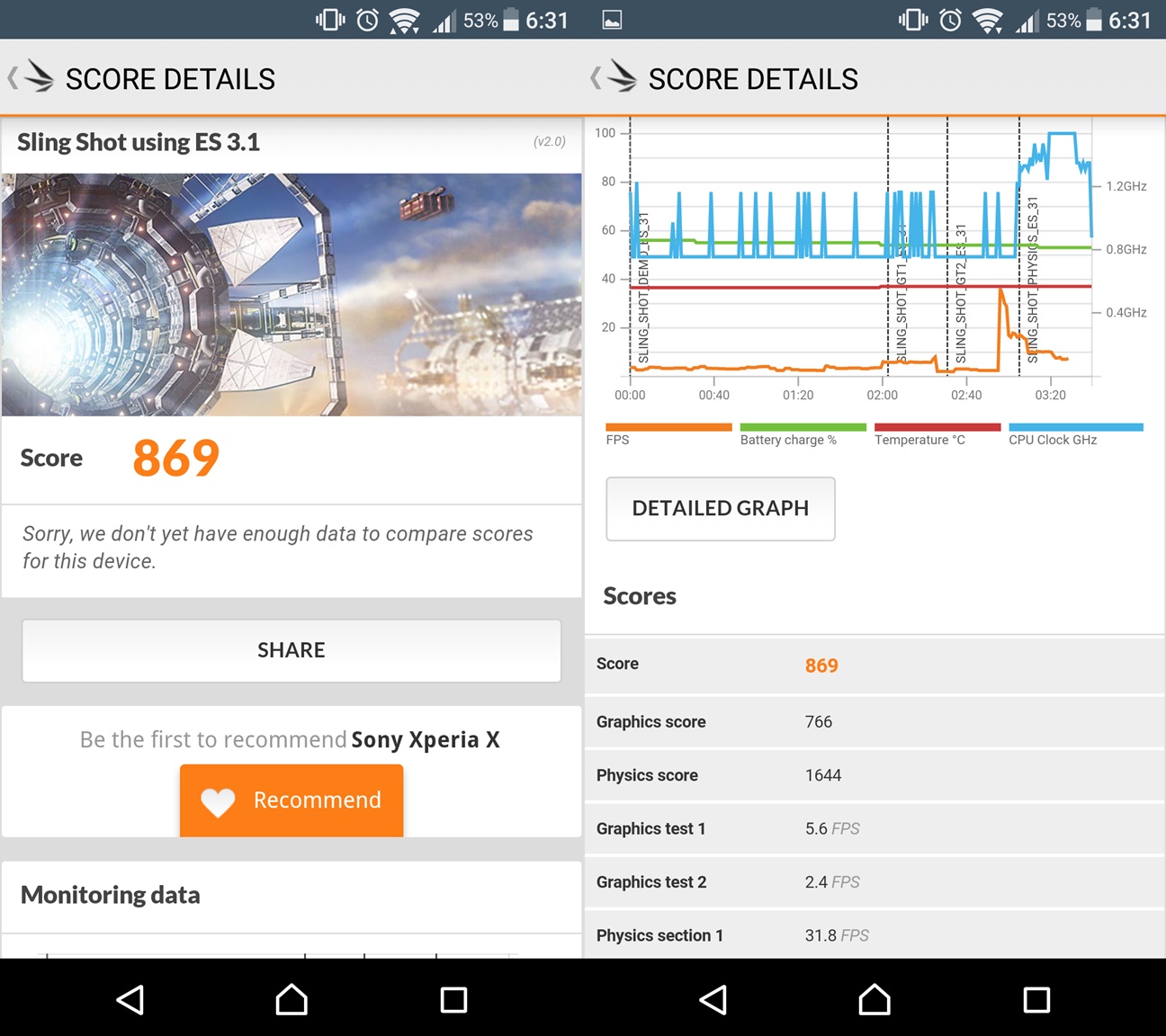
This is where things get really odd for the Xperia X. Despite carrying a hefty RM2,499 price tag, it’s still powered by a mid-range Snapdragon 650 processor. Make no mistake: the 650 is a very capable mid-range chipset (although it does struggle at more demanding tasks), but it pales in comparison to other processors such as the HiSilicon Kirin 955 SoC found in the more affordable Huawei P9.
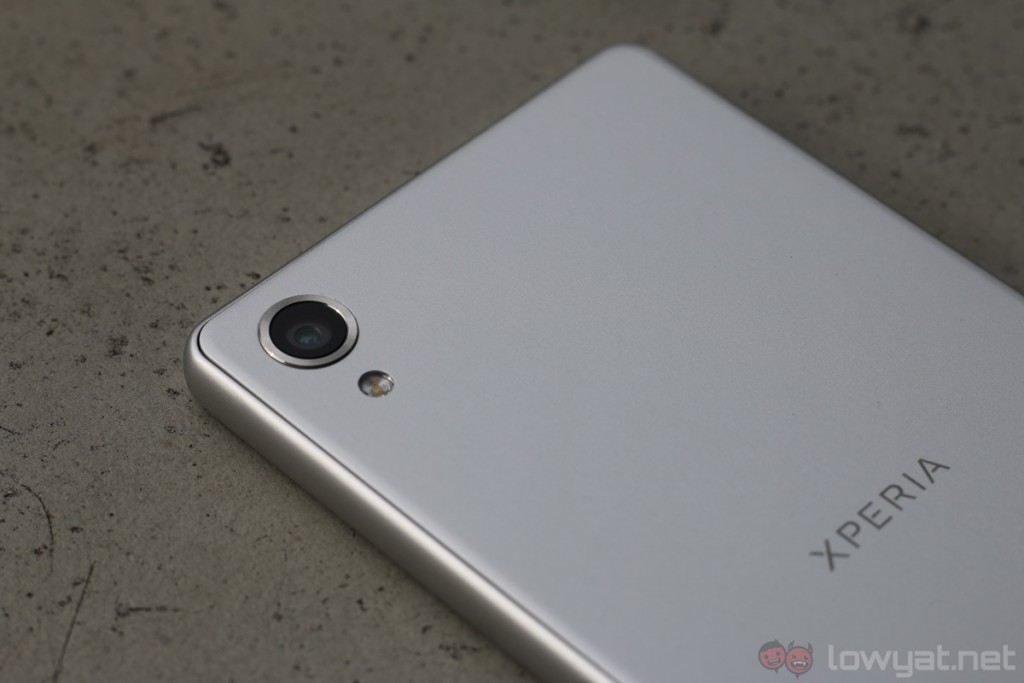
That being said, the high asking price of the Xperia X does make more sense when we consider the fact that it has the same camera as the flagship Xperia X Performance. However, the real question is: is this phone any good?
Benchmarks
Software
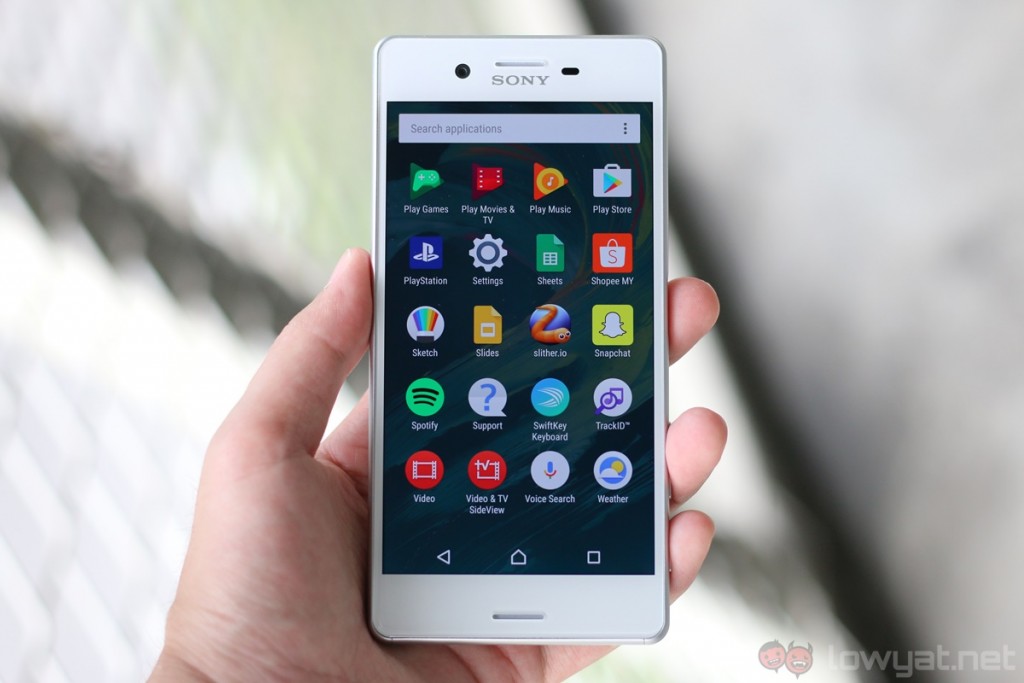
Sony’s Android smartphones have gotten much cleaner in the software department over the years. Sure, the Xperia X still has some bloatware such as AVG Protection and Xperia Lounge, but these apps are not intrusive at all; they will only be active once I launch the app and agree to the terms of service of the respective apps.
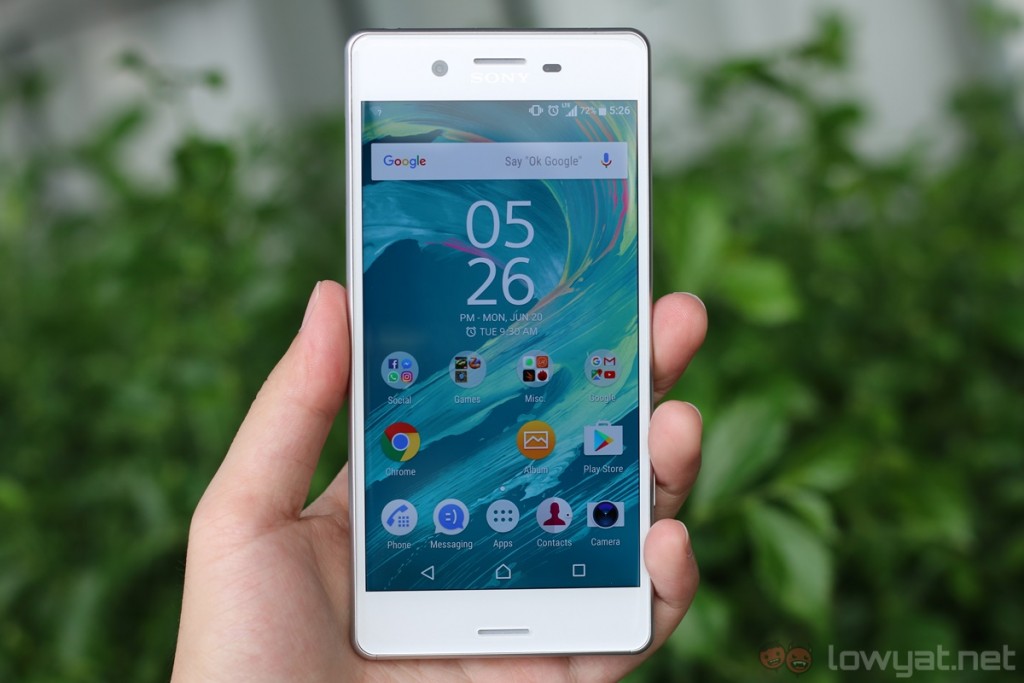
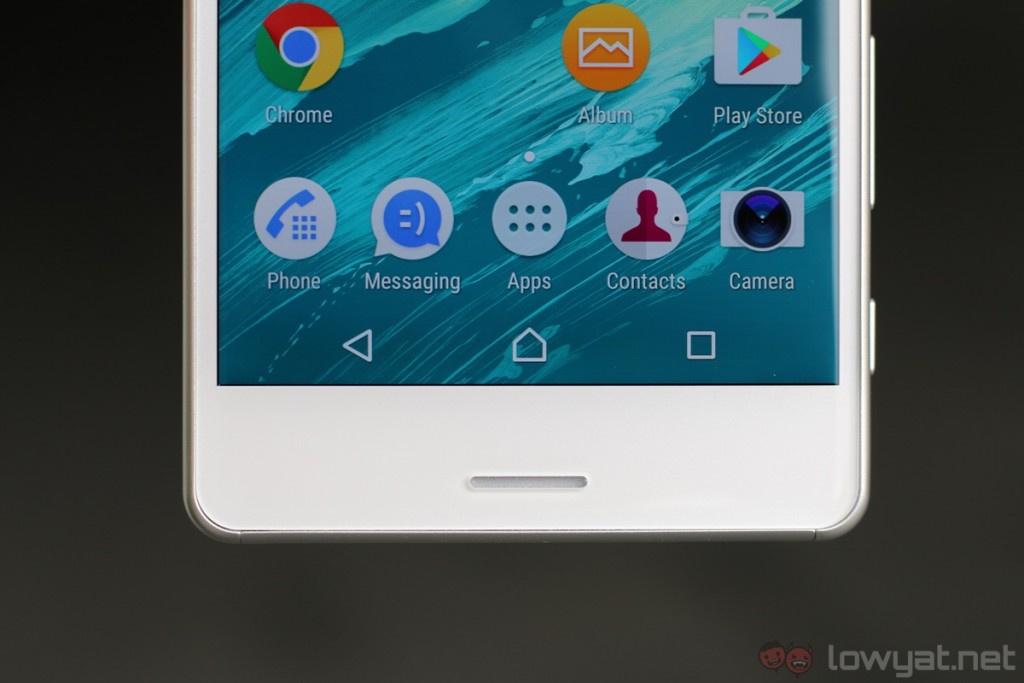
Like previous versions, the skin is barely a skin – the app drawer is there, and I like how functional and no-nonsense the whole thing is. It helps that I am a fan of stock Android, which is perhaps why I’m glad Sony only tweaked few aspects of the software.
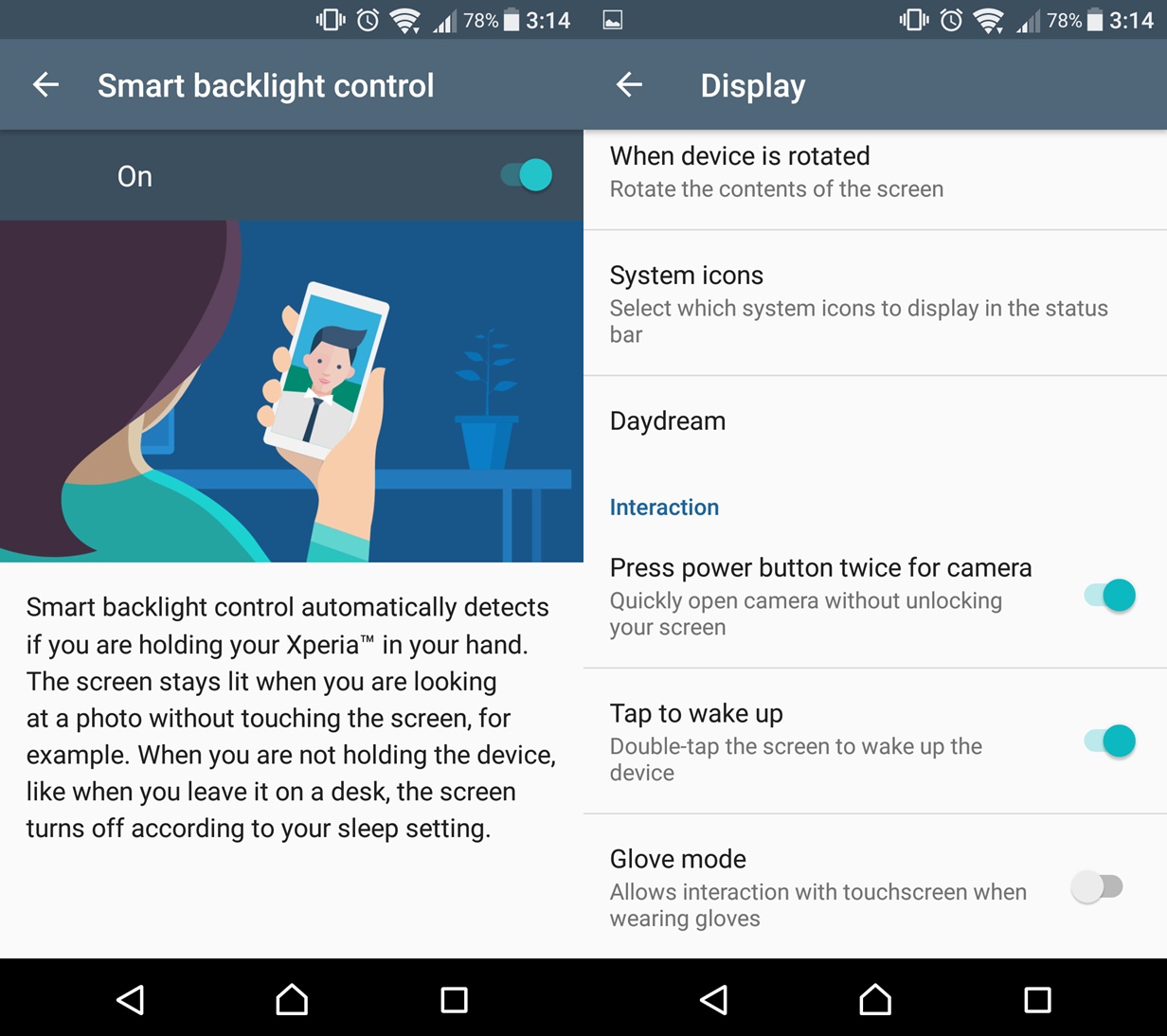
Some of these software tweaks done by Sony are really quite useful as well. One of the most underrated features is “smart backlight control,” which ensures that the display doesn’t switch off when I am holding the Xperia X. Sure, other phone makers have implemented a similar feature, but not nearly enough. Same goes for the double-tap to wake gesture: nothing groundbreaking, but really, more companies should be looking into these as standard features.
Battery Life
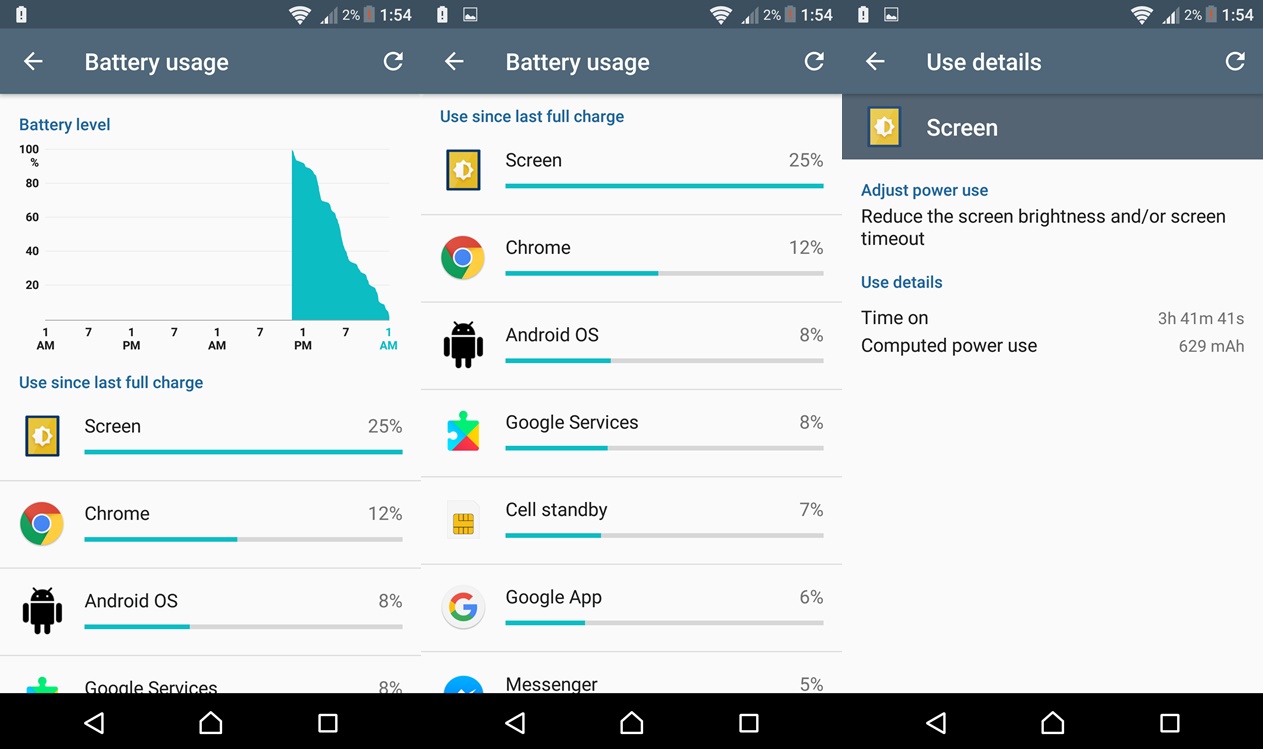
With a 2,620mAh battery, I did not expect much from the Xperia X. In fact, I was pretty sure I’d struggle to get through a typical work day with the device. Much to my surprise, the Xperia X is actually a very power-efficient smartphone.
For my usage, which usually involves tons of web browsing, social media surfing, instant messaging and some light gaming here and there, getting a full day’s worth of battery life out of the Xperia X is pretty effortless. Of course, with heavier usage the device will struggle, but I was genuinely impressed with how power-efficient the Xperia X is.
Display
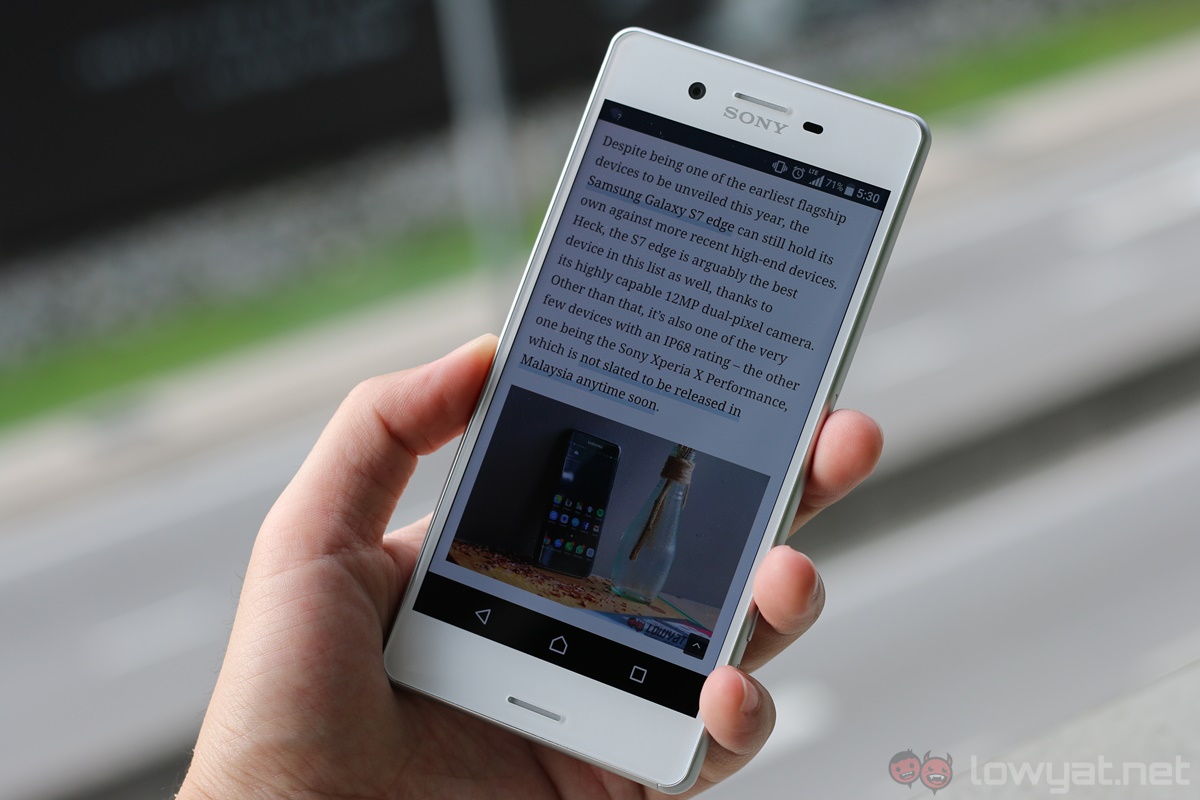
Despite having “only” a 5-inch 1080p display, the Xperia X’s IPS panel is certainly a high quality one. Colours are vibrant, colour balance is good (it’s also adjustable to users’ liking), and most of all, texts and images look sharp. For a 5-inch display, the 1920 x 1080 resolution is more than enough; a more pixel-dense panel at this size will just reduce the battery life of the device with no perceivable difference.
Audio
Sporting stereo front-facing speakers, the Xperia X’s audio quality is quite good. Not only is this the most ideal speaker position for a mobile phone, the speakers do not crackle or buzz at maximum volume. On top of that, the stereo speakers can get pretty loud as well. All in all, the Xperia X’s audio quality is really all you can ask for from a smartphone.
Camera
This is the area where the Xperia X simply has to exceed expectations. After all, the RM2,499 price tag is certainly not reflected in the performance or overall build quality of the device. So how does the 23MP camera of the Xperia X fare?
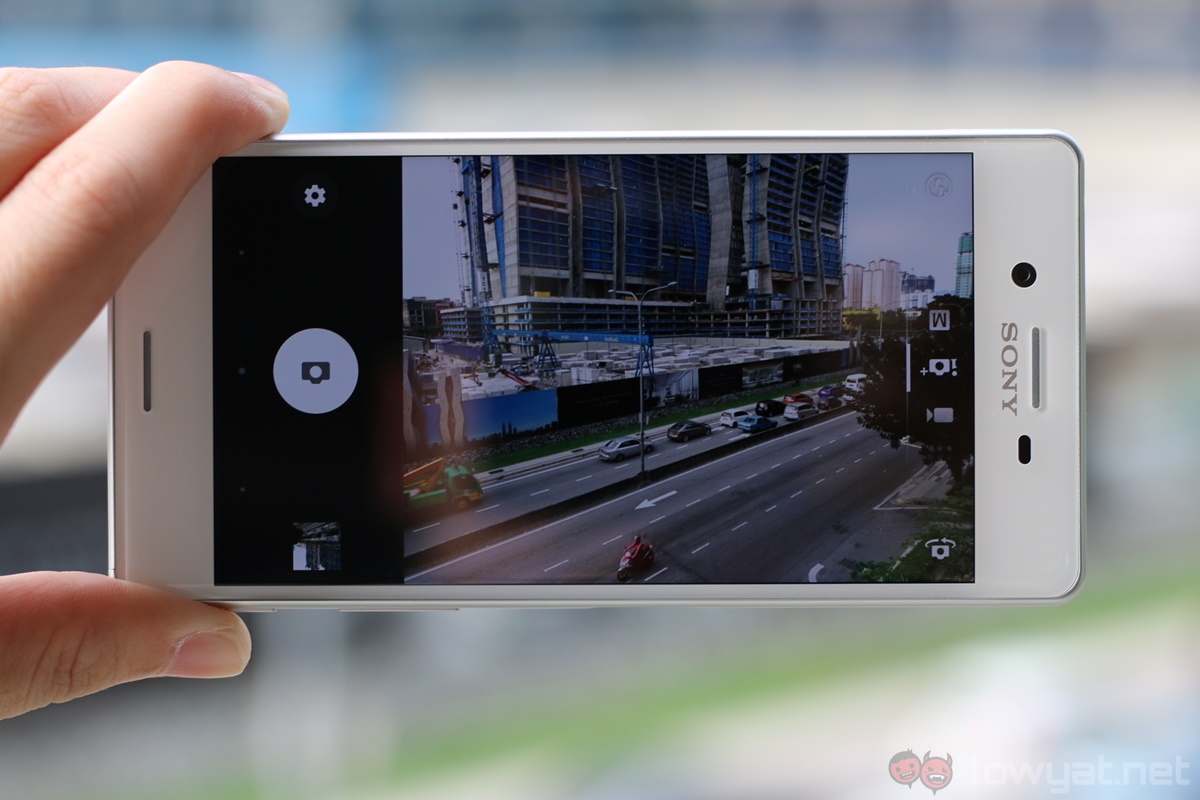
Well, it’s…good. The Xperia X’s camera is certainly a capable shooter under good lighting, and the final images are more than decent, although they are brightened quite a bit – and oversaturated – occasionally. Low-light performance, on the other hand, isn’t quite as good as other devices with similar price tags. Judge for yourself with these sample shots.
Other than that, the user experience of the camera isn’t very pleasing as well. There is a slight – but consistent – pause in between shots, and the lack of optical image stabilisation makes it difficult to get good, sharp images every single time, especially when the lighting isn’t ideal.
One of the big features of the Xperia X camera is a new Predictive Hybrid Autofocus system. On paper, it is said to track a subject and then (via algorithms) predict where the subject is moving next before locking focus where it thinks the subject is headed. In my usage, the Predictive Hybrid Autofocus does track – and accurately focus, for the most part – a particular subject well, although this is by no means a game-changer; I found the Galaxy S7 edge to lock focus more effectively compared to the X.
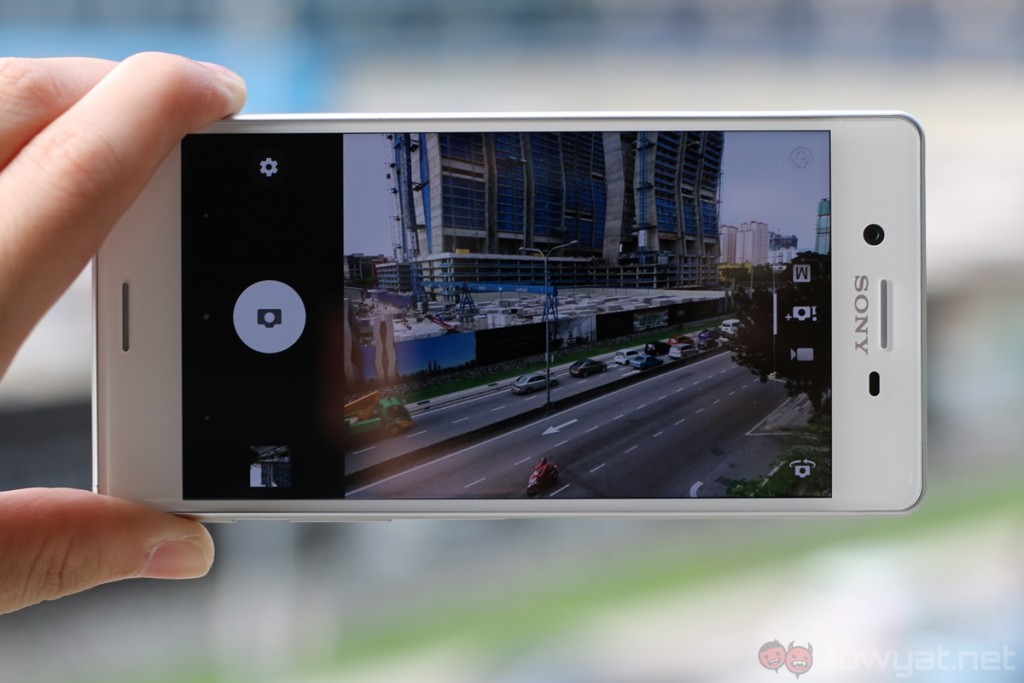
That said, I like the fact that there is a dedicated shutter button and two quick methods to launch the camera app: I can either hold down on the shutter button or press the power button twice. If I want to, I can also set the quick launch mode to snap a photo immediately after activating the camera.
At the end of the day, the Xperia X is a capable shooter, but it definitely isn’t class-leading in any sense of the word. If you noticed, this is a common issue with the Xperia X: it’s good, but nothing genuinely surprised me in any meaningful way (except the price, of course).
Sample Images


Competition
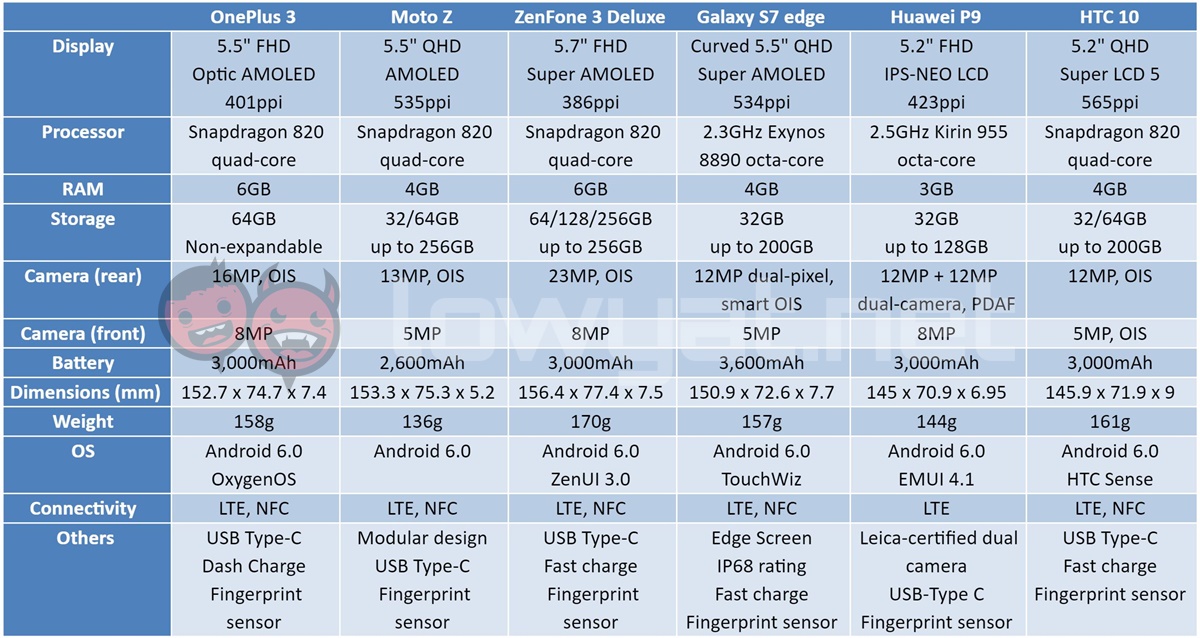
At RM2,499, the Xperia X has plenty of competition from other flagship smartphones. For one, we have the
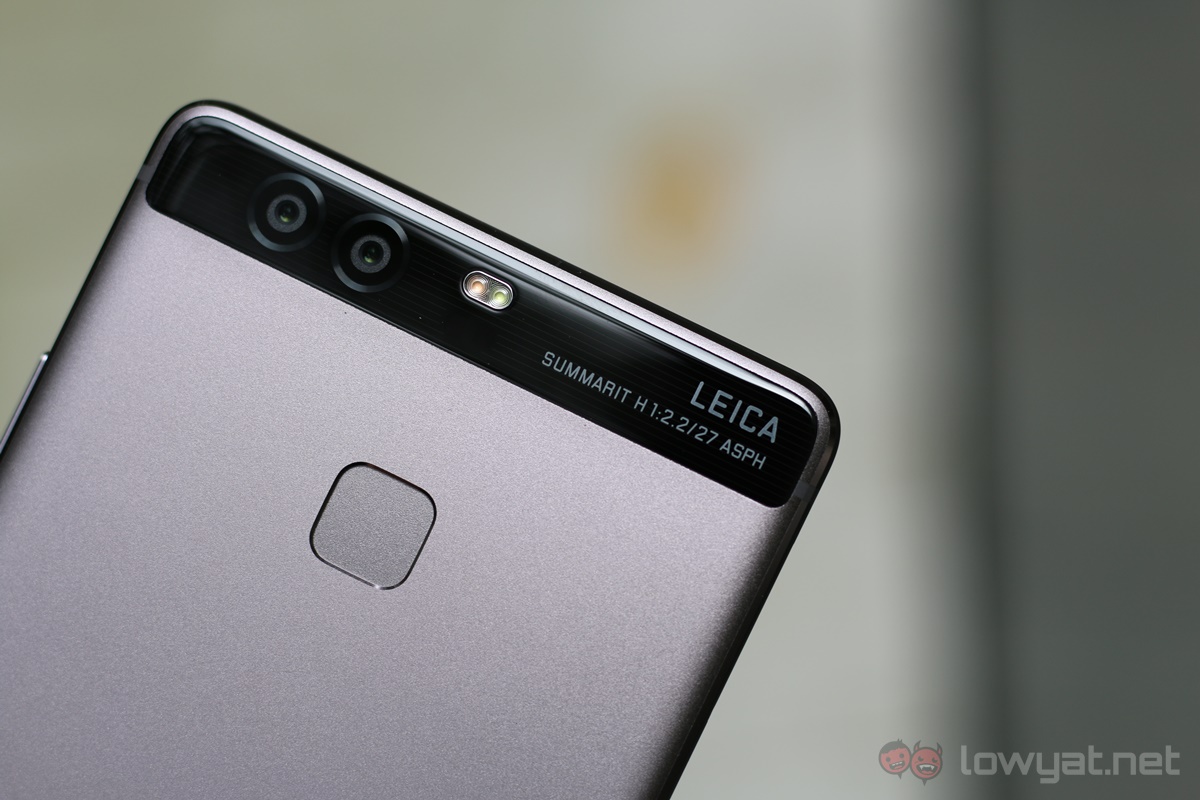
Huawei P9. Not only is it more affordable at RM2,099, it also has a much more capable Kirin 955 processor, better premium construction, and arguably superior camera performance as well.
That being said, the Xperia X does have a lighter and cleaner Android skin; Emotion UI and its swathe of customisations may not be everyone’s cup of tea. Other than that, the Xperia X has more internal storage at 64GB – the Huawei P9 only comes with 32GB of storage.
And then we have the
Samsung Galaxy S7 – not the
edge variant, but the standard one. Although the S7 costs RM200 more (it retails at RM2,699), you’re getting a much better smartphone. The Galaxy S7 has a much more capable 12MP dual-pixel camera with very fast autofocus speeds, a faster Exynos 8890 processor, and of course, a premium glass and metal design.
While these two smartphones are excellent alternatives to the Xperia X, I feel that another device from the other end of the spectrum poses just as big a threat: the excellent
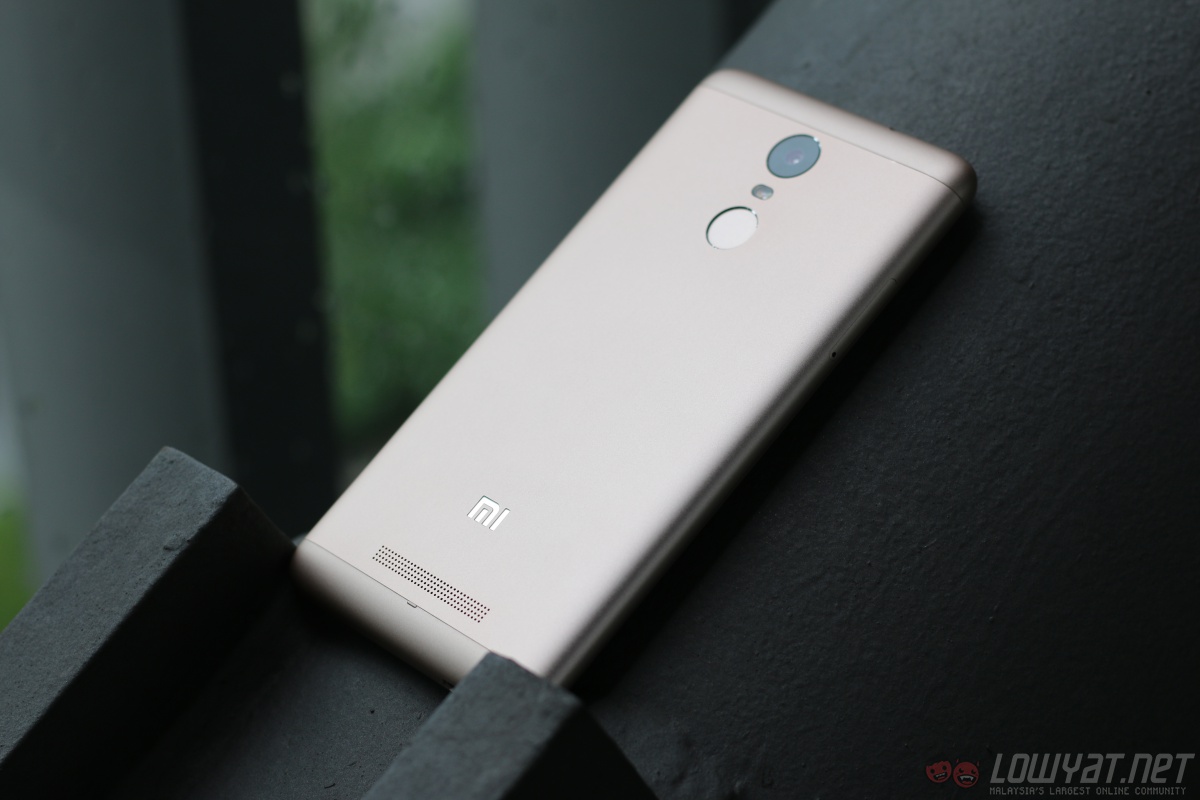
Xiaomi Redmi Note 3. Packed with the same Snapdragon 650 processor as the Xperia X, it retails from
onlyRM749; that’s less than a third of the Xperia X’s price tag.
Of course, the Redmi Note 3’s camera, display and overall build quality aren’t quite as good as the Xperia X, but Xiaomi’s phablet strikes a psychological blow to Sony in the consumer’s mind: how can Xiaomi fit the same processor into a smartphone that’s so much cheaper than the Xperia X?
Conclusion
The Sony Xperia X is a good smartphone. It really is: it’s well-designed, has good battery life, and its display is bright and vibrant. The issue is quite simply the fact that the X does not seem to offer any kind of value for money: Sony is clearly playing it safe with the Xperia X, but when it’s priced this high you really need to show some ambition and flair – both of which were sorely missing.
If the Xperia X was priced more competitively, it may well be worth considering. But as it is, the X’s processing power – and its camera – does not warrant such a high asking price, even more so when we consider the fact that the Xperia X isn’t even a flagship device.
Nonetheless, the Xperia X is by no means a terrible device: it’s just an “okay” smartphone with a “not so okay” price tag. If this is Sony’s pricing strategy moving forward, the company may find itself in an even more unfavourable position in the future.