Huawei. A company that was once most known for its networking solutions is now one of the most recognisable smartphone makers in the world. It has partnered with Google to manufacture theNexus 6P, and now, we have the company’s latest phablet, the Mate 8.
Just how does it stack up against the best smartphones in the market? Well, after using this phablet for a while, I was left pretty impressed by it.
Design & First Impressions
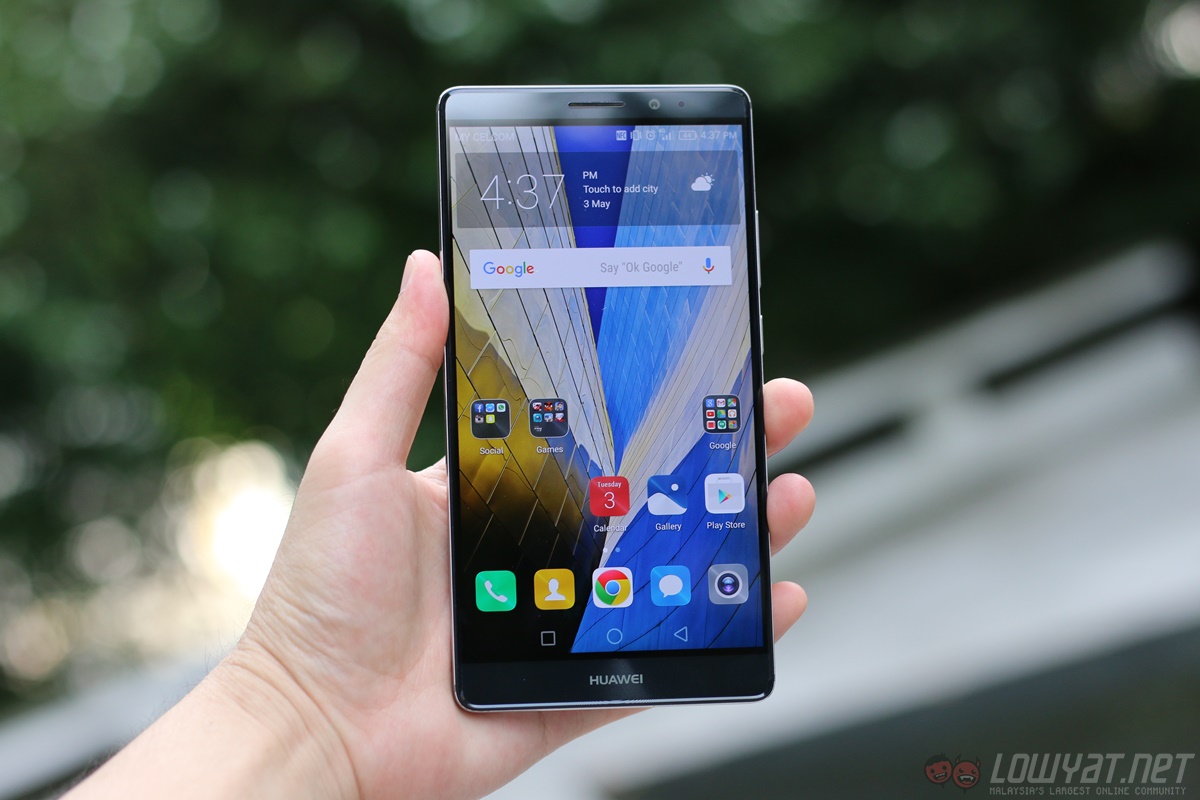
When I first held the Mate 8 in my hands, I was still using the Nexus 6P. Transitioning between the two devices is rather interesting: the Mate 8 didn’t feel much bigger than the 5.7-inch Nexus 6P despite having a bigger 6-inch display.
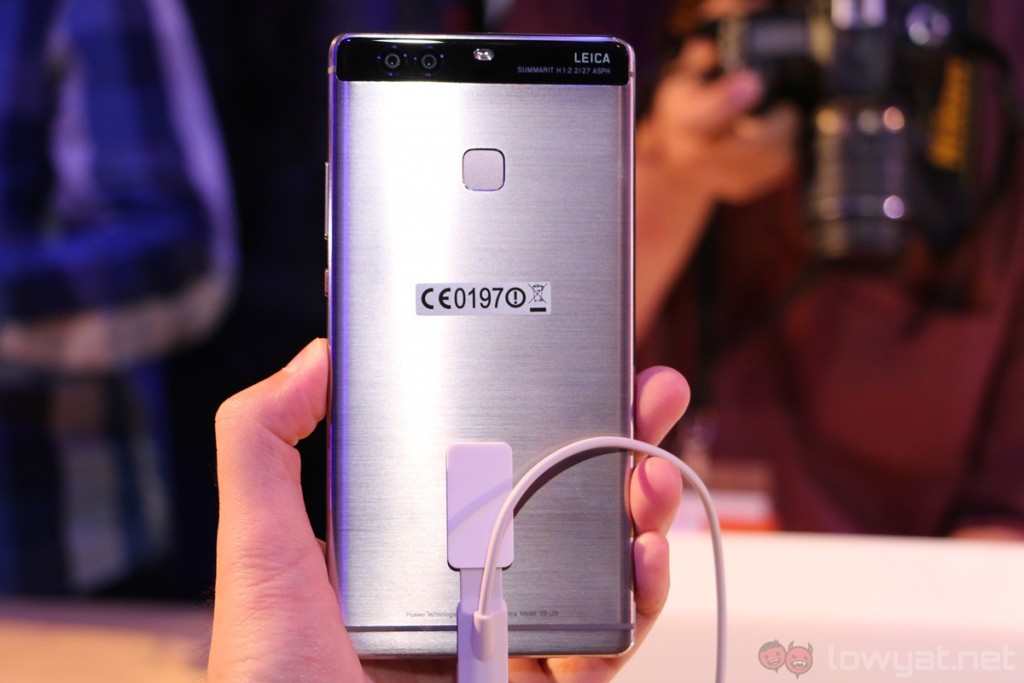
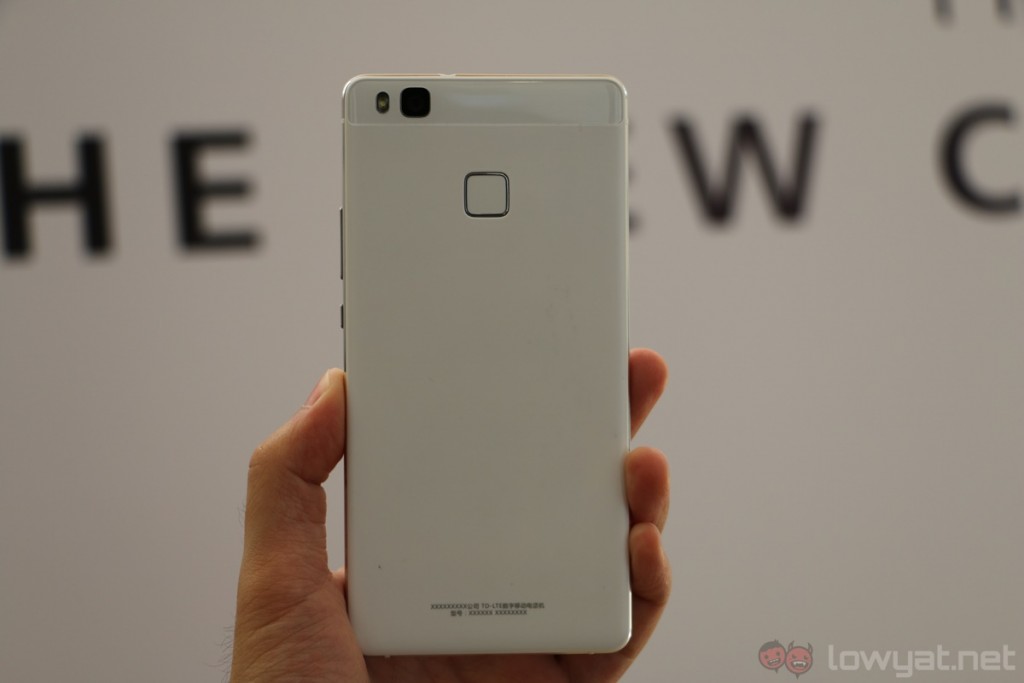
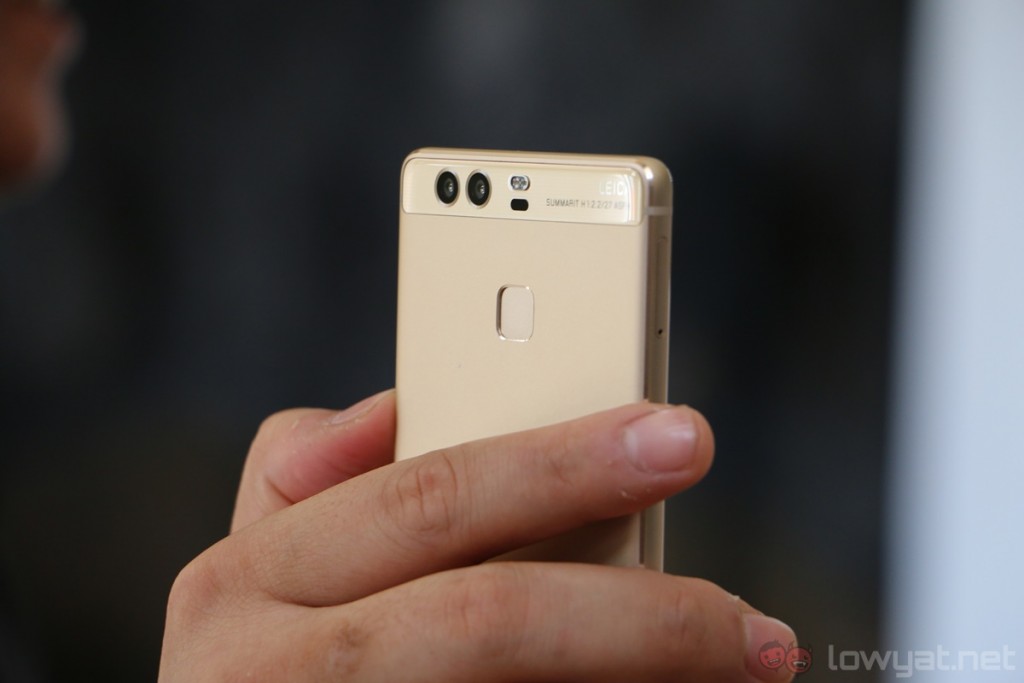
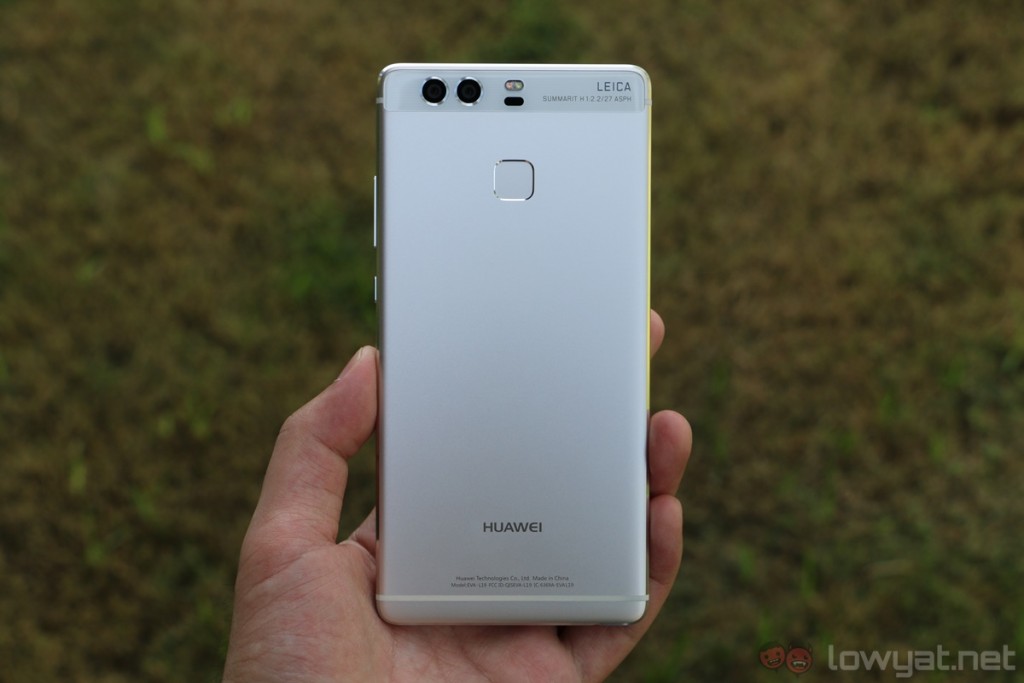
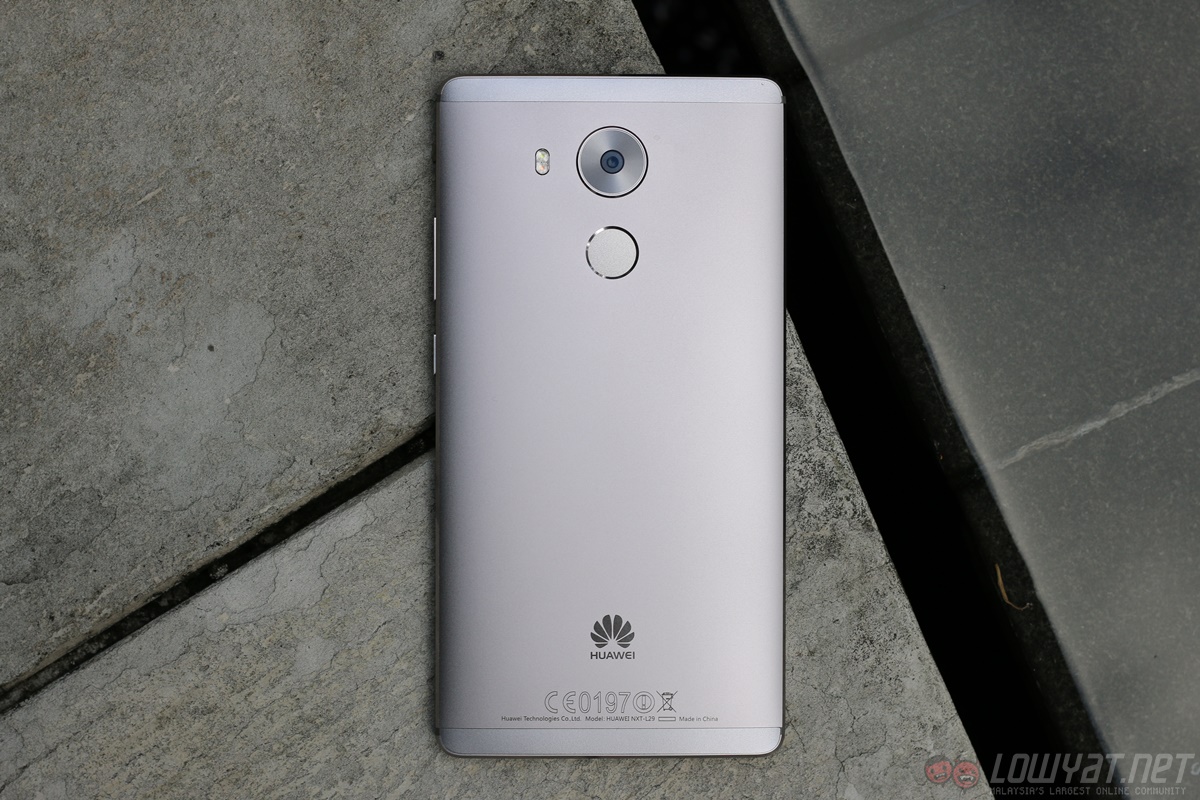
This negligible size difference is thanks to the 85% screen-to-body ratio of the Mate 8. As a result, there is very little wasted space on the top and bottom parts of the device; what you get is a 6-inch device that doesn’t feel as unwieldy as other smartphones this big. The fingerprint sensor placed on the rear is also a very smart design choice to make the bezels as minimal as possible.
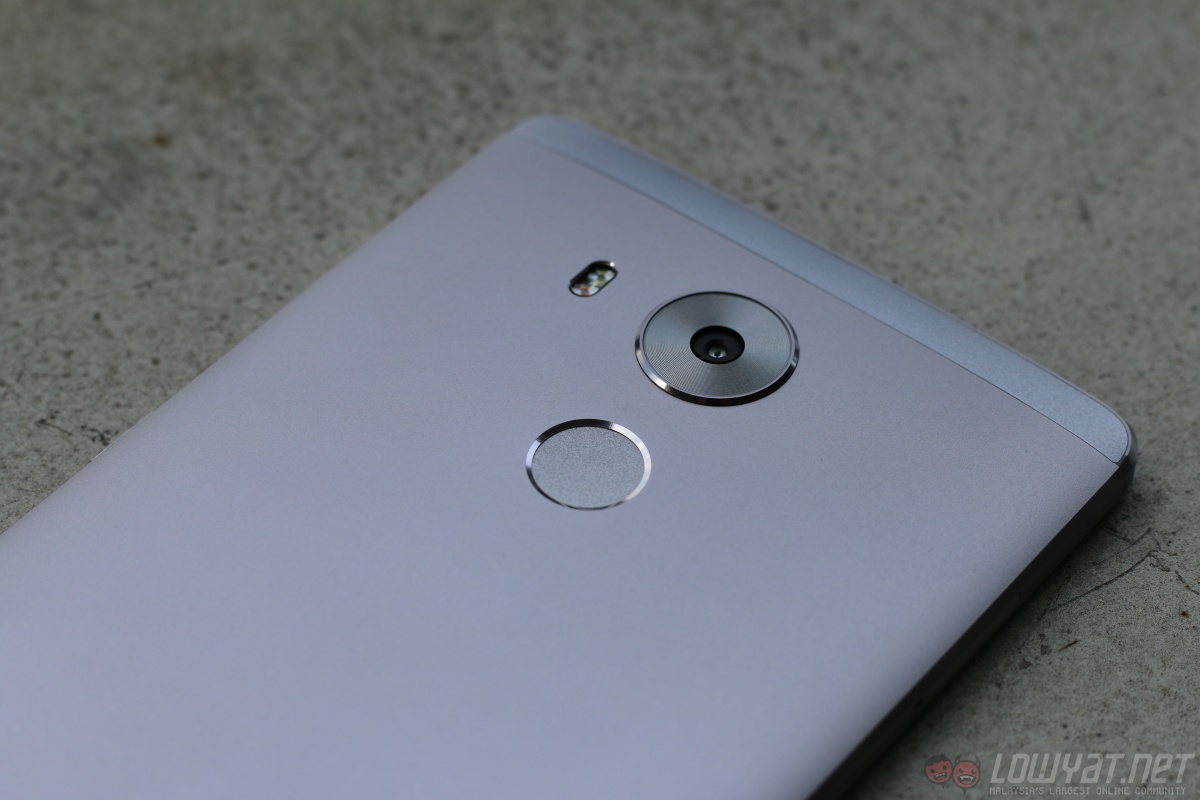
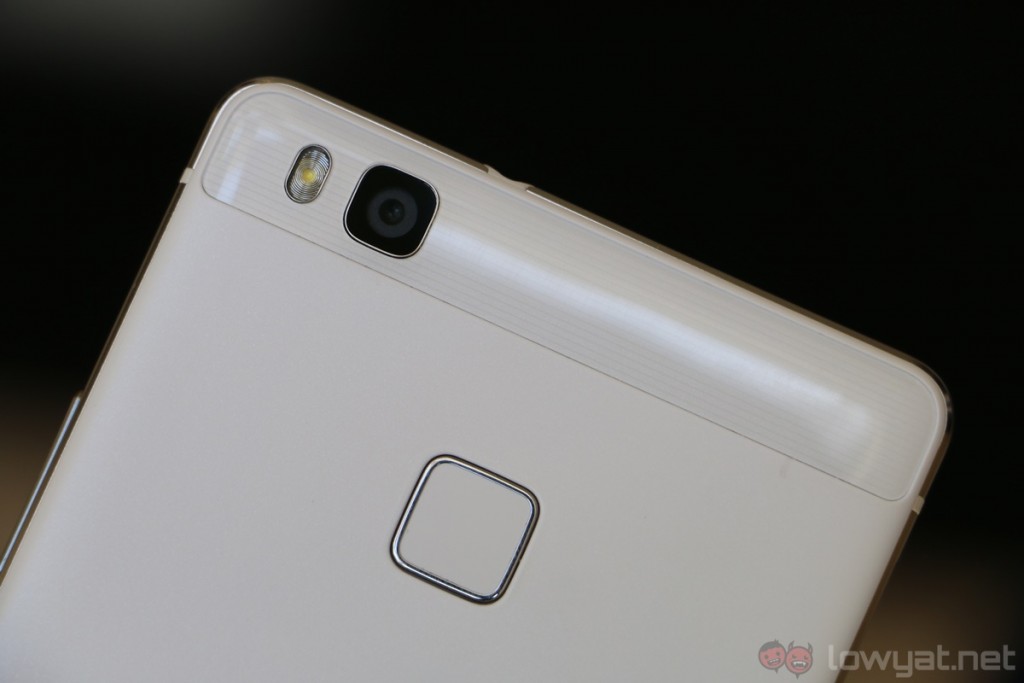
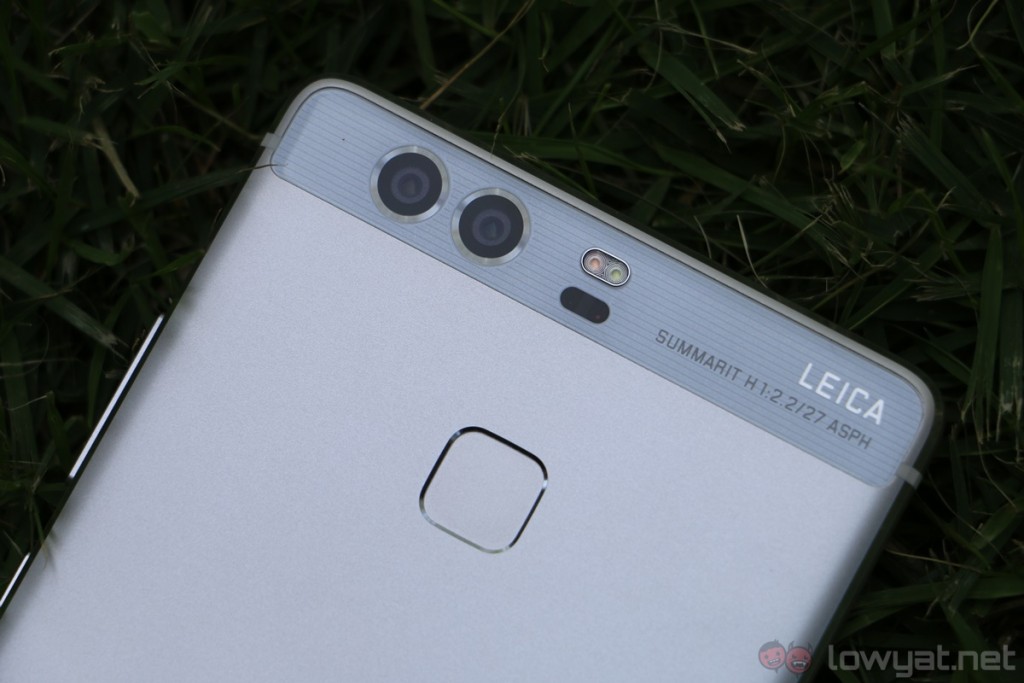
Speaking of the fingerprint sensor, I was really impressed with it; it’s definitely similar to the ones found on the Mate S and honor 7. It is quick, responsive, and it detects my fingerprint accurately most of the time. The best part is, these are not even the sensor’s best attributes; I’ll explain more in the software section.
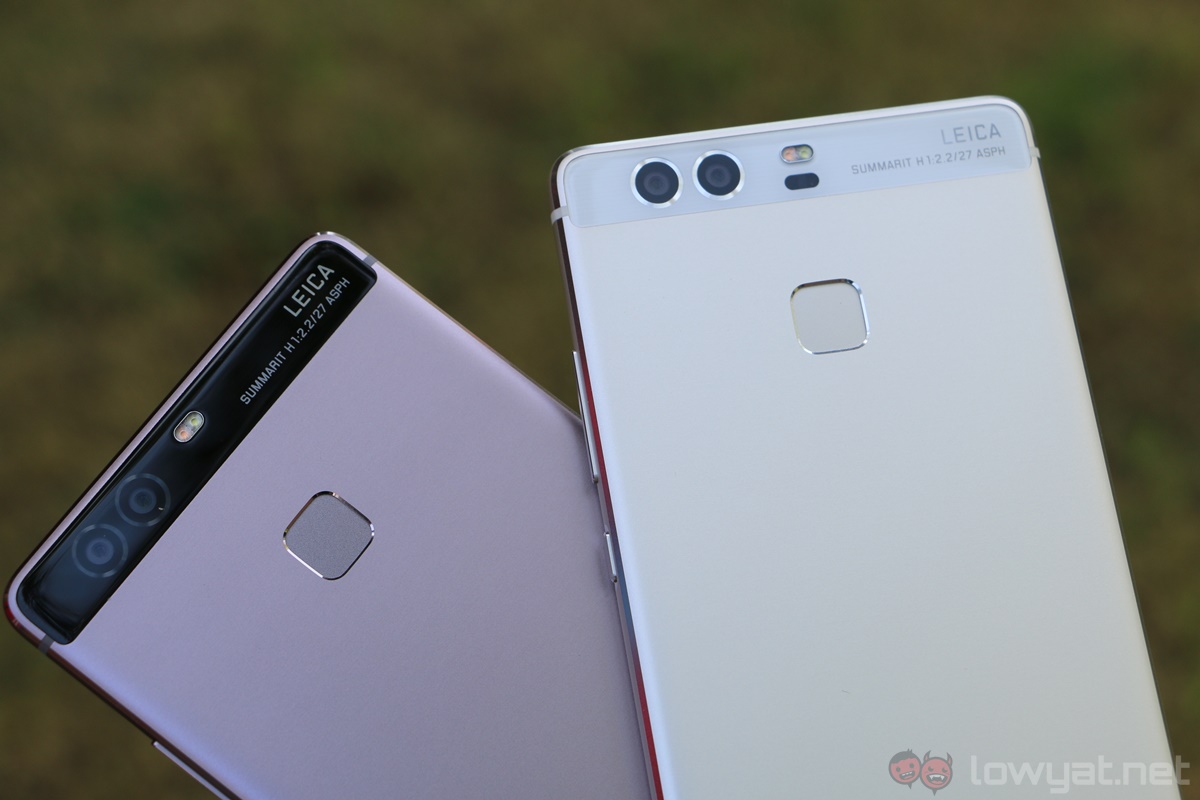
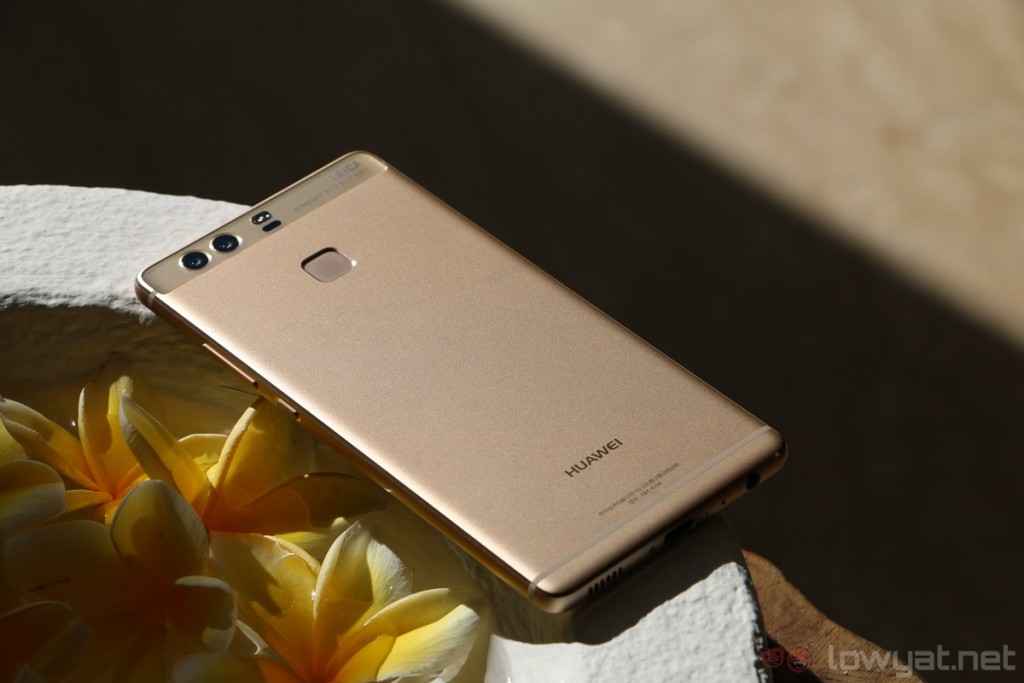
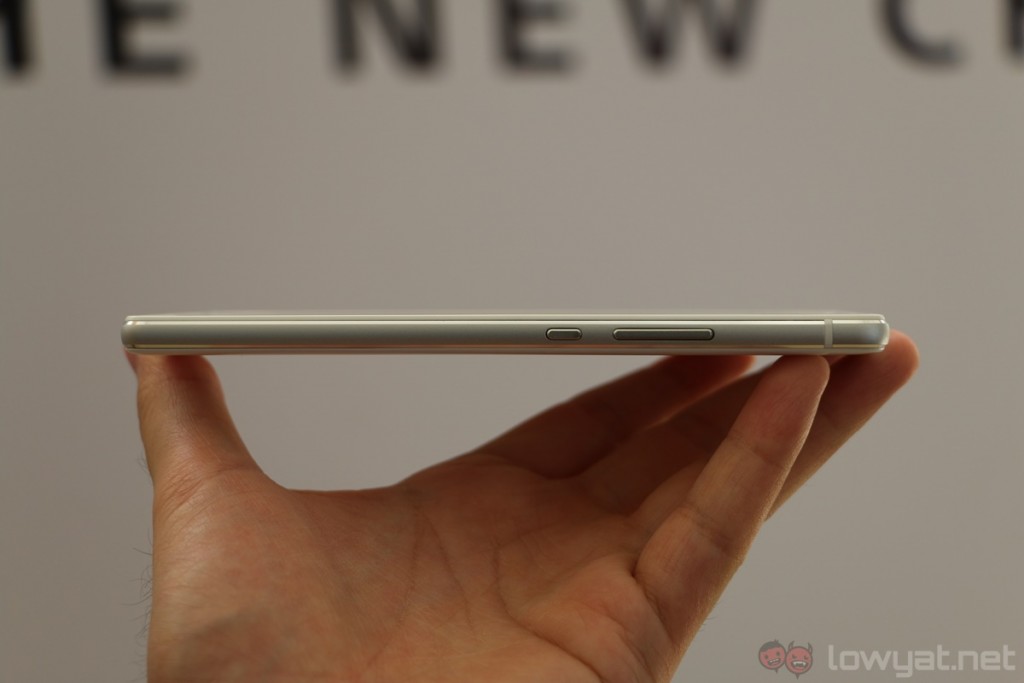
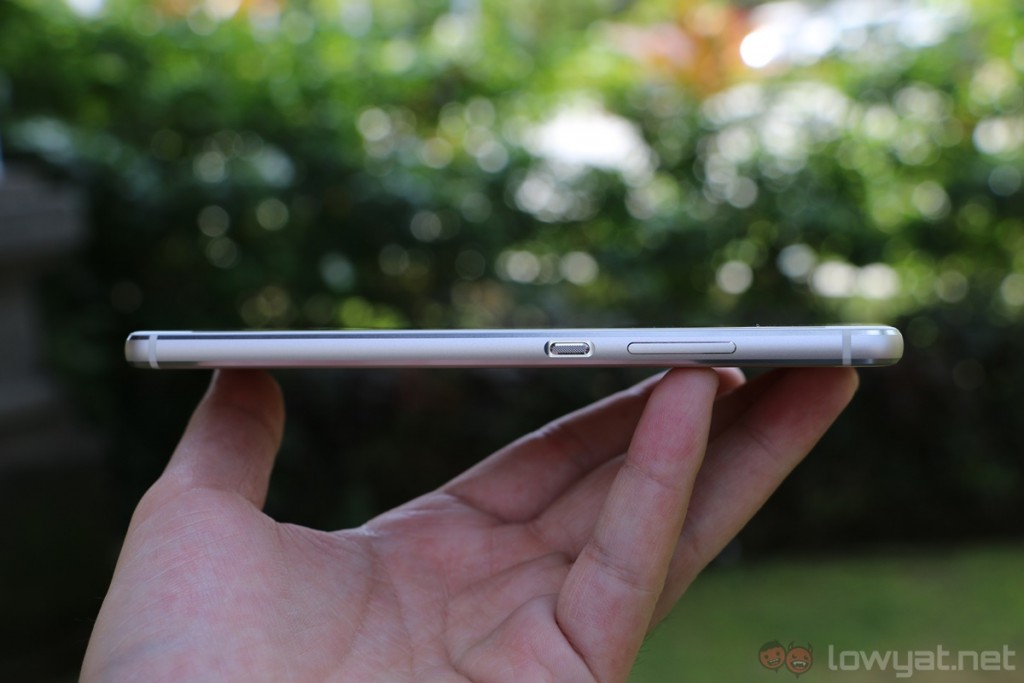
Overall, the Mate 8 feels and looks like a solid, premium smartphone. Its build quality inspires confidence, and the volume rocker – as well as the power button – gives a very good tactile feedback. Of course, it would’ve been nice for the camera to be flushed against the rear panel, but the lens itself is slightly recessed, which should prevent it from being scratched easily.
Hardware
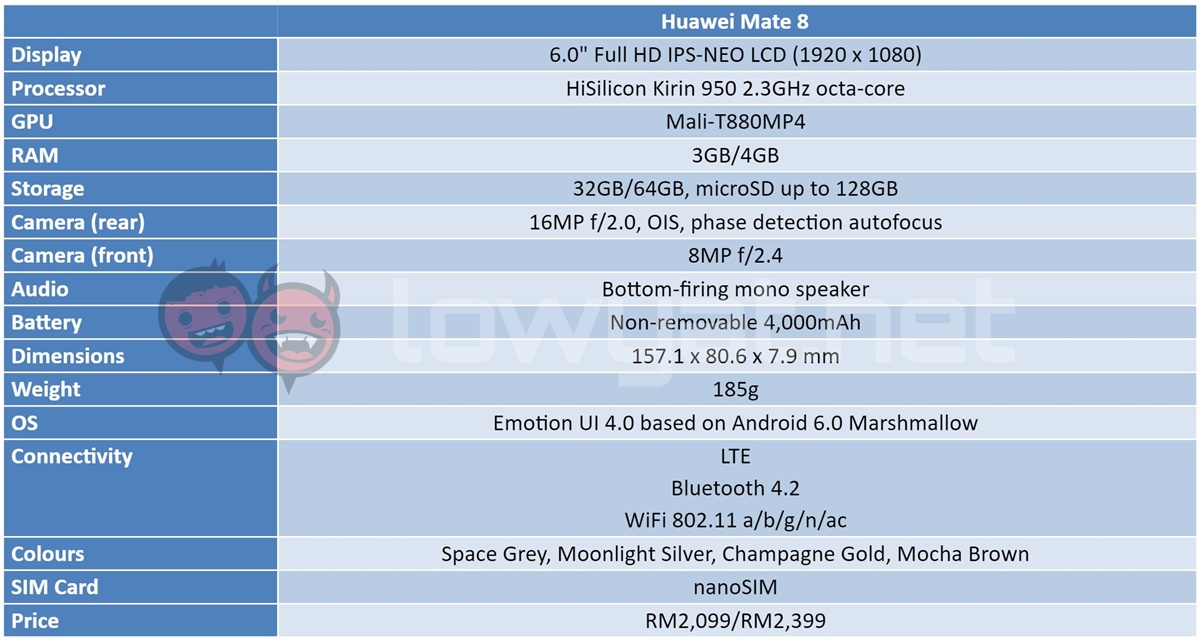
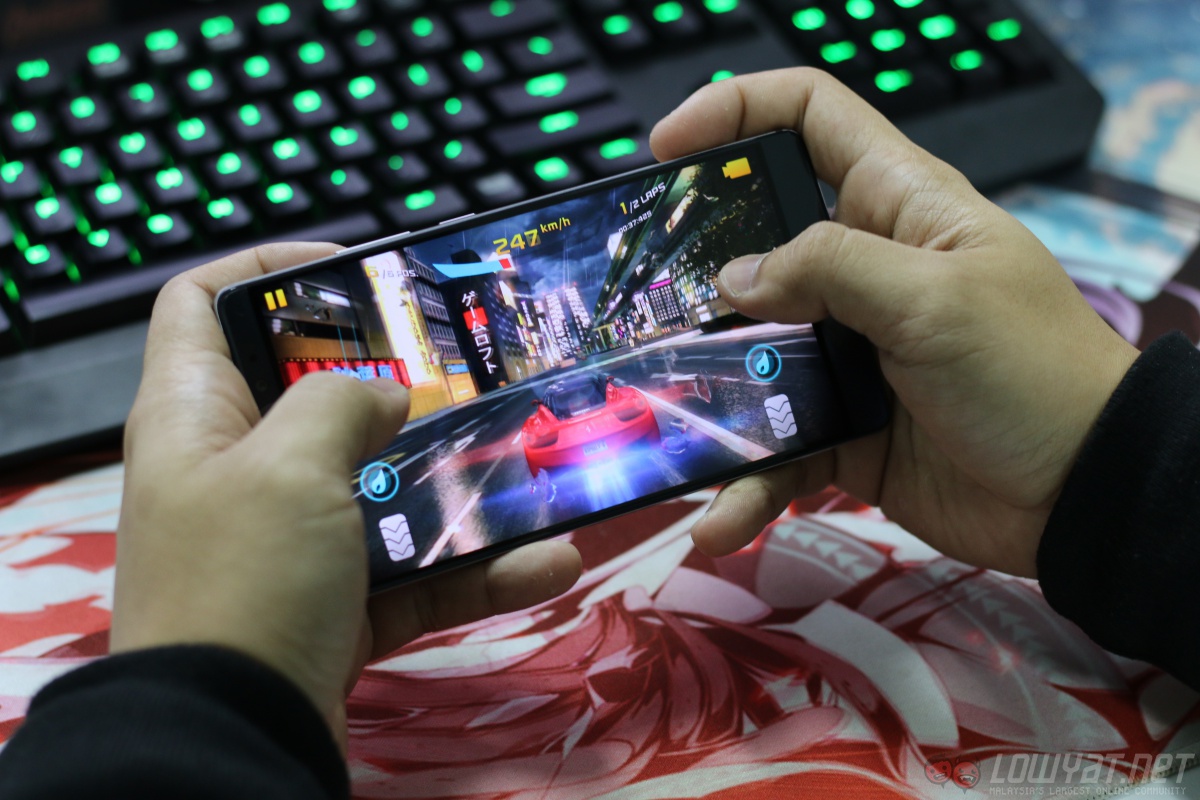
The Kirin 950 processor is by far one of the most exciting hardware aspects of the Mate 8. In day to day usage, the Mate 8 did not feel sluggish at all. In fact, it’s one of the fastest Android smartphones I’ve used, although I did notice a few performance hiccups occasionally. While the 3DMark score – which measures the capability of the GPU – of the Mate 8 isn’t as impressive as other flagship devices, mobile games (such as Asphalt 8) felt fluid and very enjoyable.
Benchmarks


Software
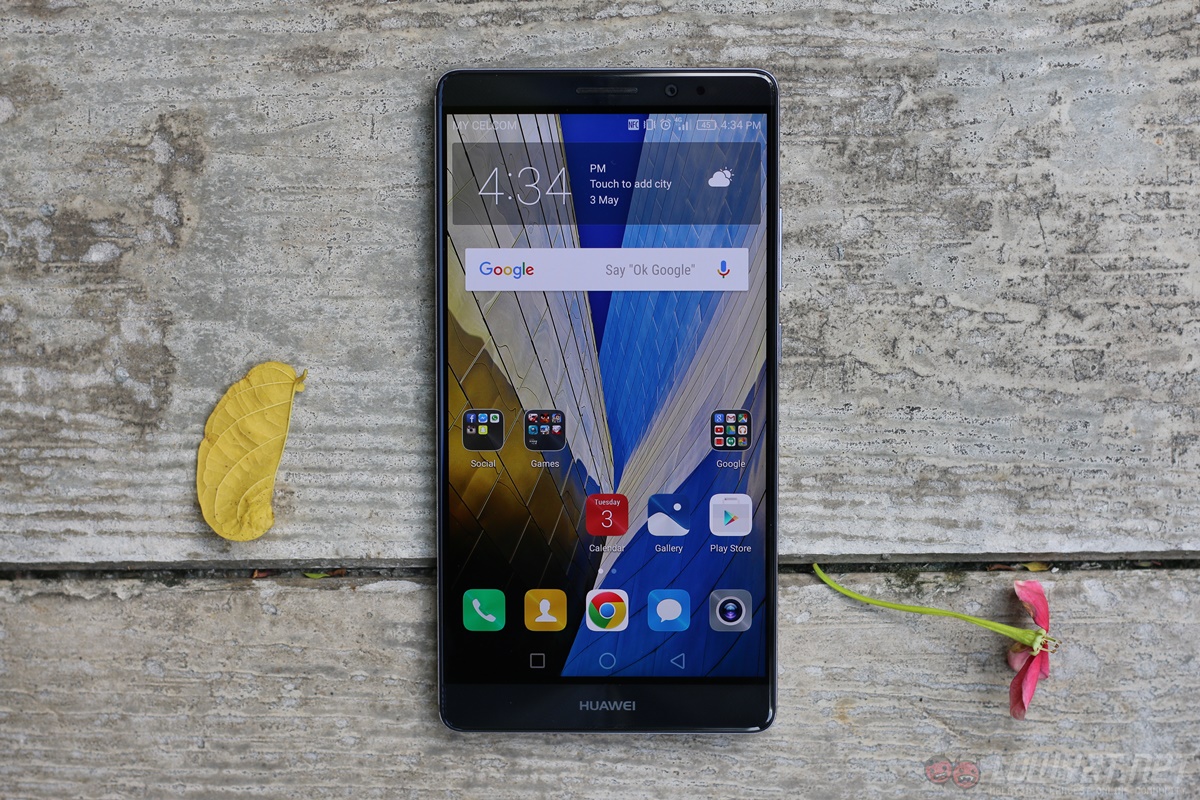
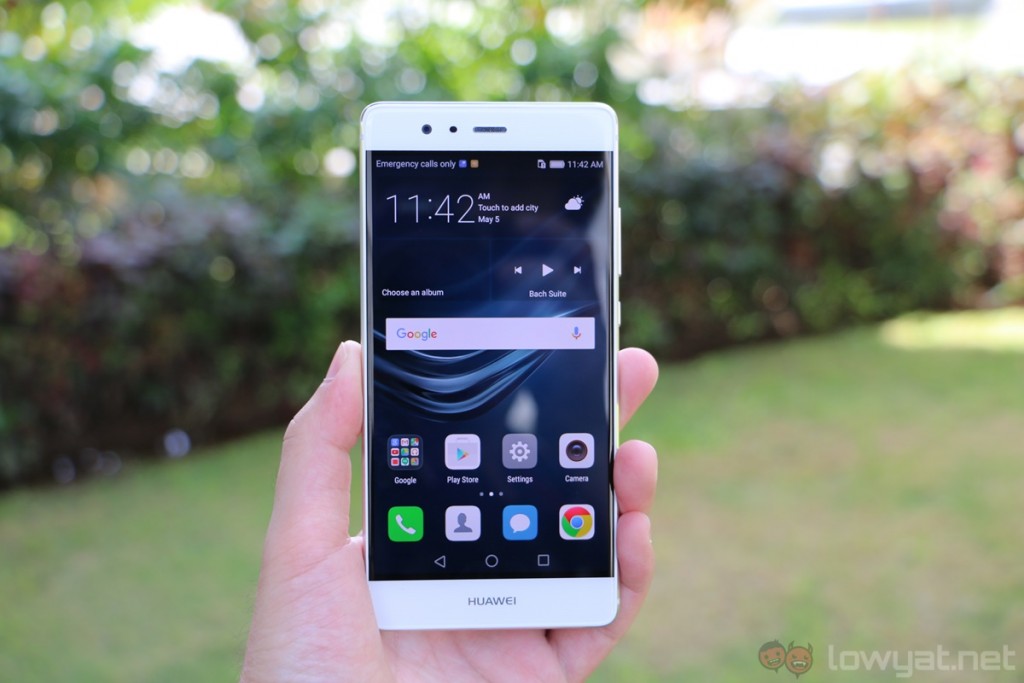
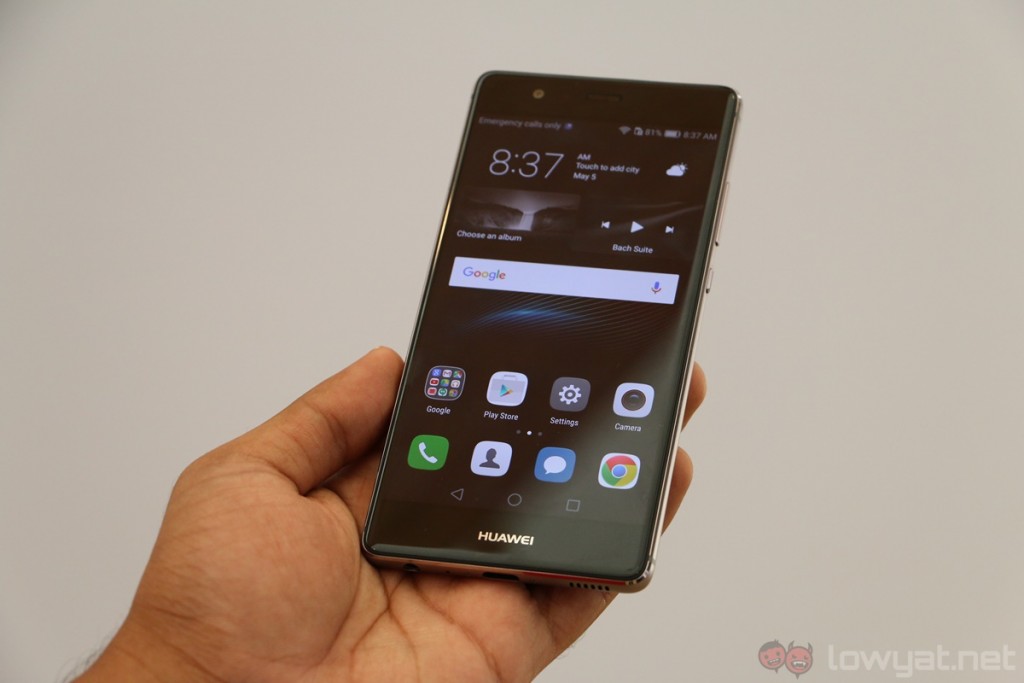
Emotion UI 4.0 feels a lot like EMUI 3.1 on the Huawei Mate S. There is no app drawer, and there are some bloatware – such as WPS Office and HiCare – which are not too intrusive.
But, one feature differentiates EMUI 4.0 from its previous iterations: Now on Tap. When I first started using the Mate 8, this feature was actually not available, but it was then enabled through an update. Basically, Now on Tap – a feature previously exclusive only to the Nexus 6P which can be activated by a long press of the home button – brings up various useful information based on what is currently displayed on the screen. If I want more information on a subject I’m not familiar with, Now on Tap will give me various links to said subject, including a Google search, a YouTube link, and even a Facebook page.
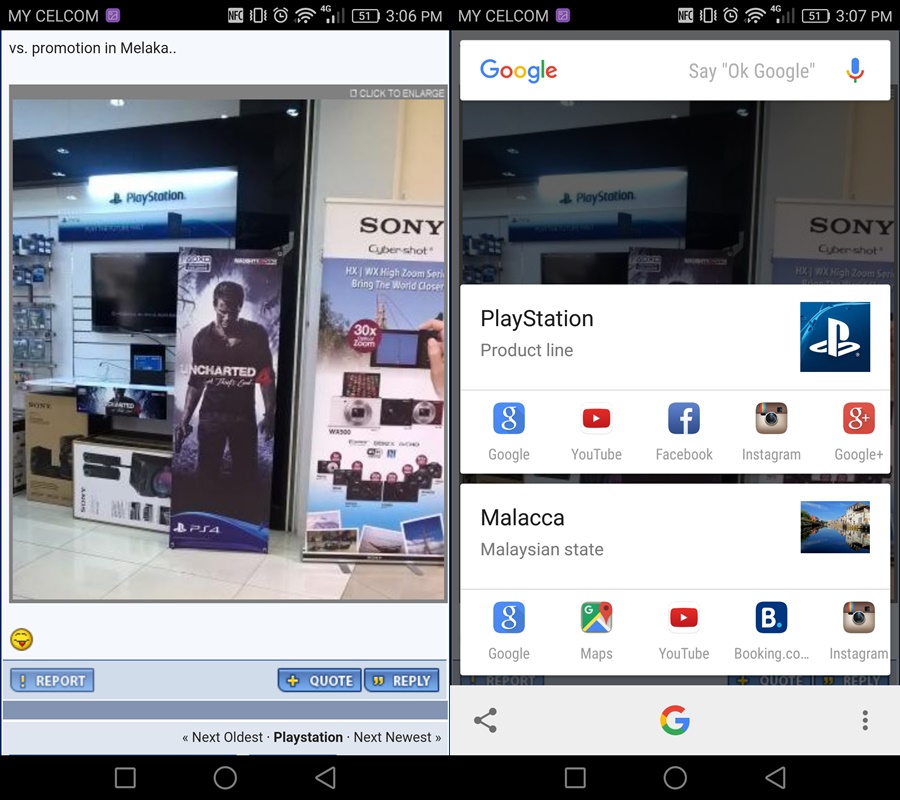
Aside from Now on Tap, Huawei also implemented Knuckle Sense on the Mate 8. For the most part, this feature doesn’t feel all that different from the Mate S: I can knock on the display twice with my knuckle to take a screenshot, and I can associate certain letters drawn – also with my knuckle – to launch certain apps. Knuckle Sense is by no means a game-changing feature, but it certainly is nice to have.
I really, really like how customisable the fingerprint sensor of the Mate 8 is: it’s a very convenient feature to have, especially on a device this big. I can slide down on the sensor to show the notification panel (I can also double tap on it to clear all notifications), and I can even touch and hold the sensor to answer a call. This is one of the reasons why I prefer a rear fingerprint sensor: useful gestures like these feel very natural in comparison to a fingerprint sensor placed at the front of the device.
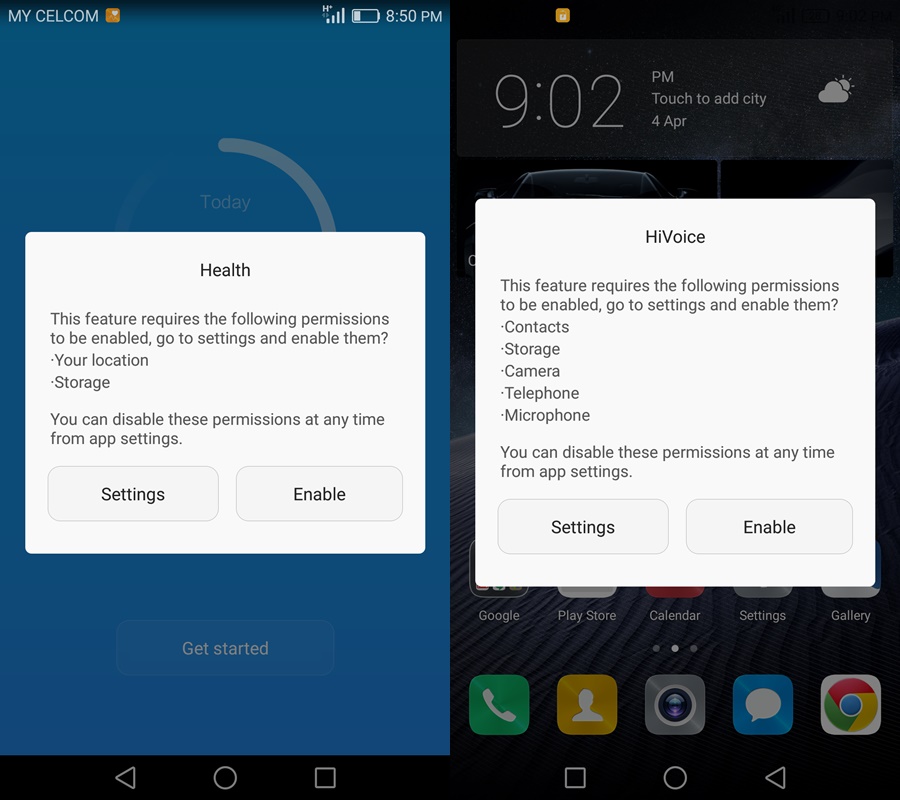
I’ve used more than a few iterations of Android from Chinese smartphone makers, and personally, EMUI is one of the most lightweight and polished Android skins I have used. That said, it is not perfect: the constant notification to kill apps that are consuming too much power – such as WhatsApp – and the various permission requests on top of Marshmallow’s own requests can get really annoying. But, as a whole, I have to say: I really enjoyed using EMUI 4.0.
Battery Life
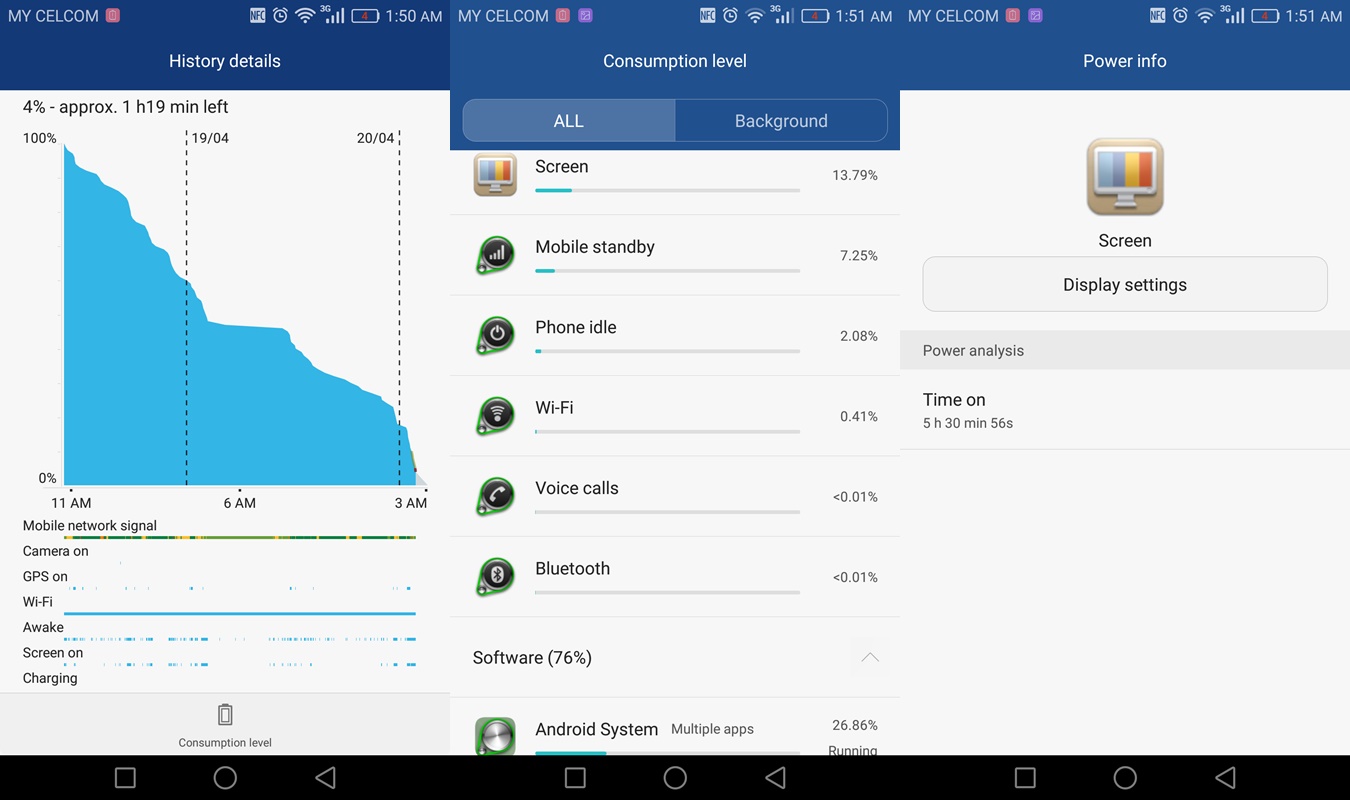
This is by far the Mate 8’s greatest strength. Packed with a huge 4,000mAh battery, the battery life of this device left quite an impression on me. It isn’t uncommon for flagship phones these days to last into the next day, but with some effort, I managed to get a full two day’s worth of battery life out of the Mate 8.
As for the quick charge capability of the Mate 8, I managed to get about 30% worth of battery within 30 minutes of charging. Considering it has a big 4,000mAh battery, this is actually quite respectable – 30% could easily last half a day’s worth of use.
Display
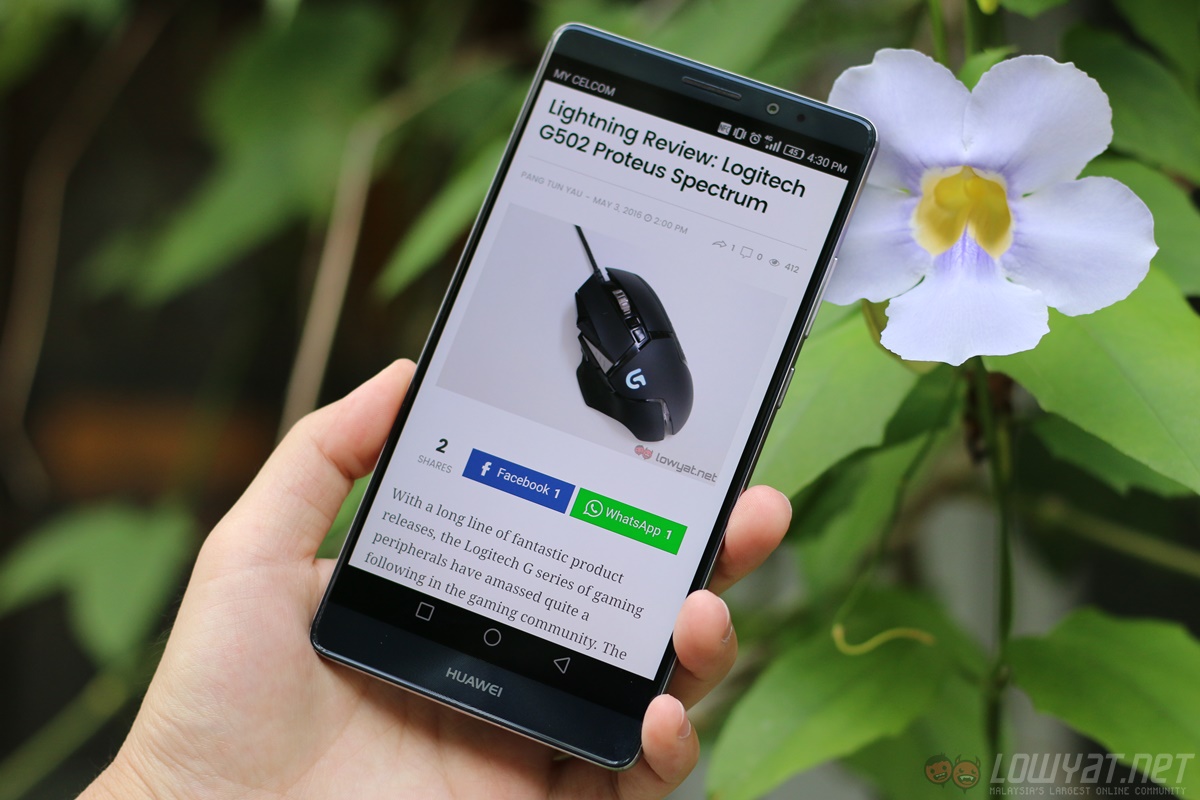
To be honest, I thought the Mate 8 had an AMOLED display when I first looked at it. The colours on the IPS-NEO panel are vibrant, and the depth of the blacks are quite impressive, although it is nowhere near as good as the black levels of an AMOLED display.
Despite the Mate 8’s 6-inch display with “only” a 1080p resolution, I did not have any issue with the sharpness of the display. Sure, a 1440p panel would definitely look better on a device this big, but then the battery life would suffer. I’d gladly take a 1080p display if it means better battery life.
Audio
I was rather impressed by the audio quality of the Mate 8. It is decently loud, and the speaker doesn’t buzz or crackle at maximum volume either. While I would’ve liked a front-facing speaker setup like the Nexus 6P, I really have no complaints – nor praise – on the Mate 8’s audio quality, which should be enough to satisfy most users.
Camera
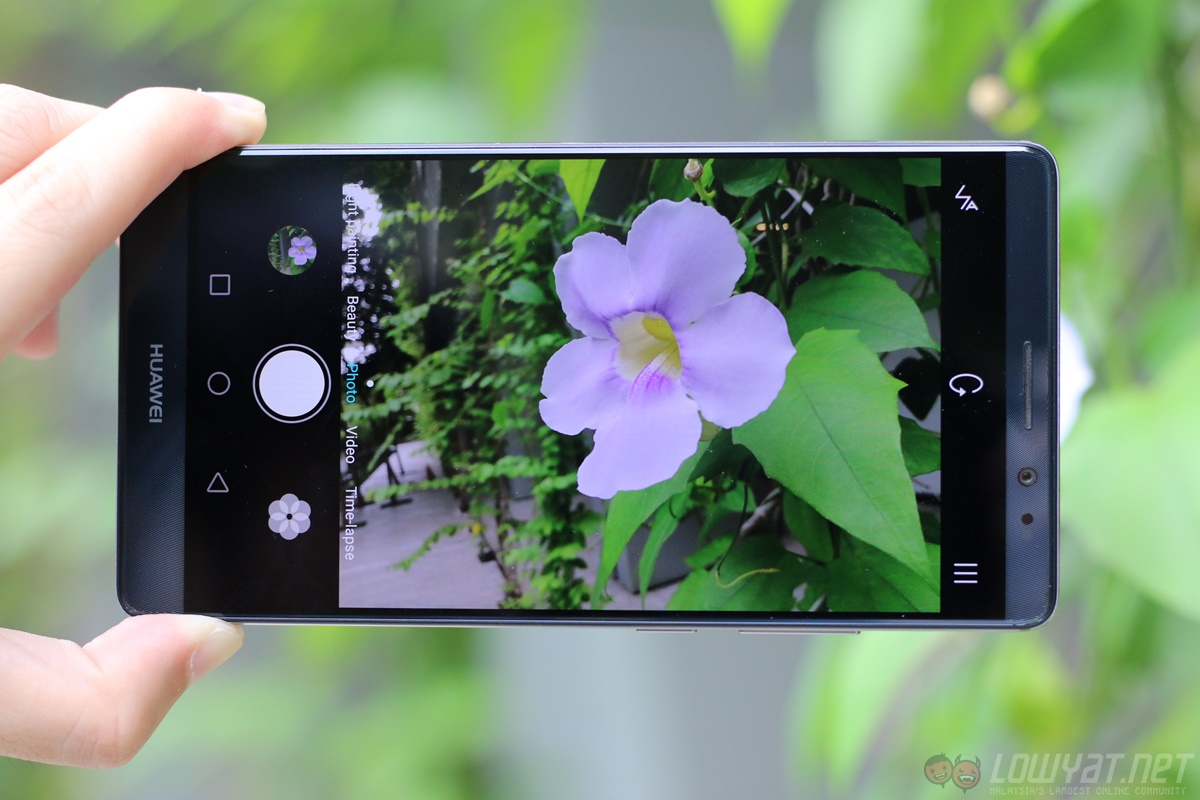
Huawei smartphones are not exactly known for its camera prowess, and unfortunately, the same still holds true for the Mate 8.
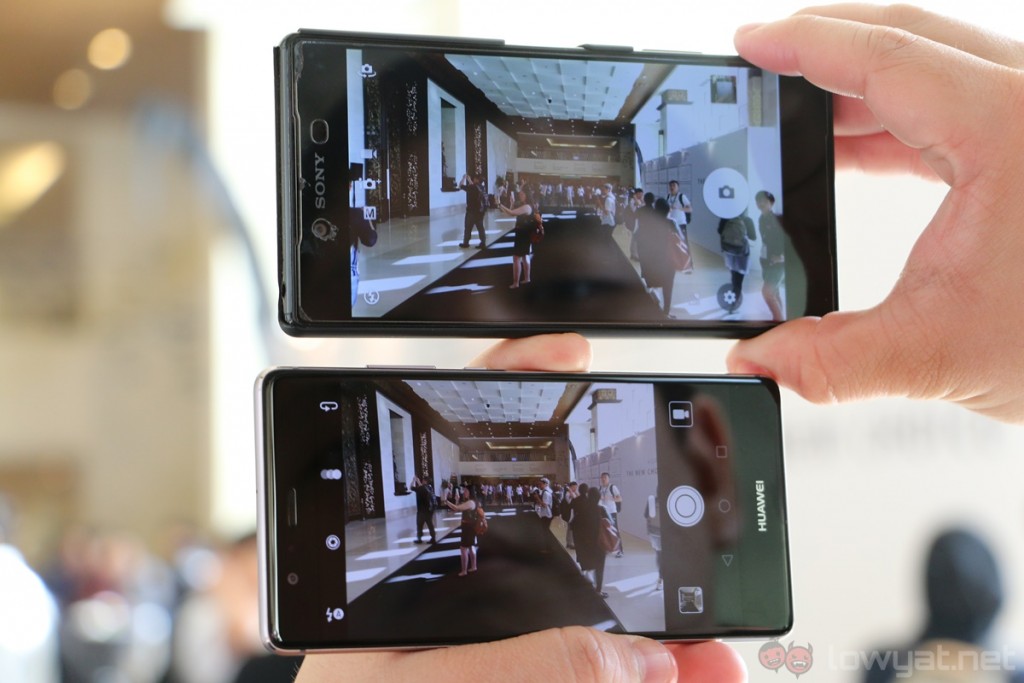
Don’t get me wrong: the Mate 8’s camera performance is definitely better than smartphones in a similar price range, but in pales in comparison to the best flagship smartphones such as theSamsung Galaxy S7 edge and the latest iPhones. The autofocus speeds could’ve been faster, and the overall responsiveness of the camera UI – especially in low lighting – needs some work.
Again, the Mate 8’s camera performance isn’t bad – quite far from that, actually. I like how there is very minimal shutter lag in between shots, and in the right conditions, you can take really impressive shots with the Mate 8. While taking great images with the Mate 8 isn’t effortless, its camera is definitely capable in the right hands.
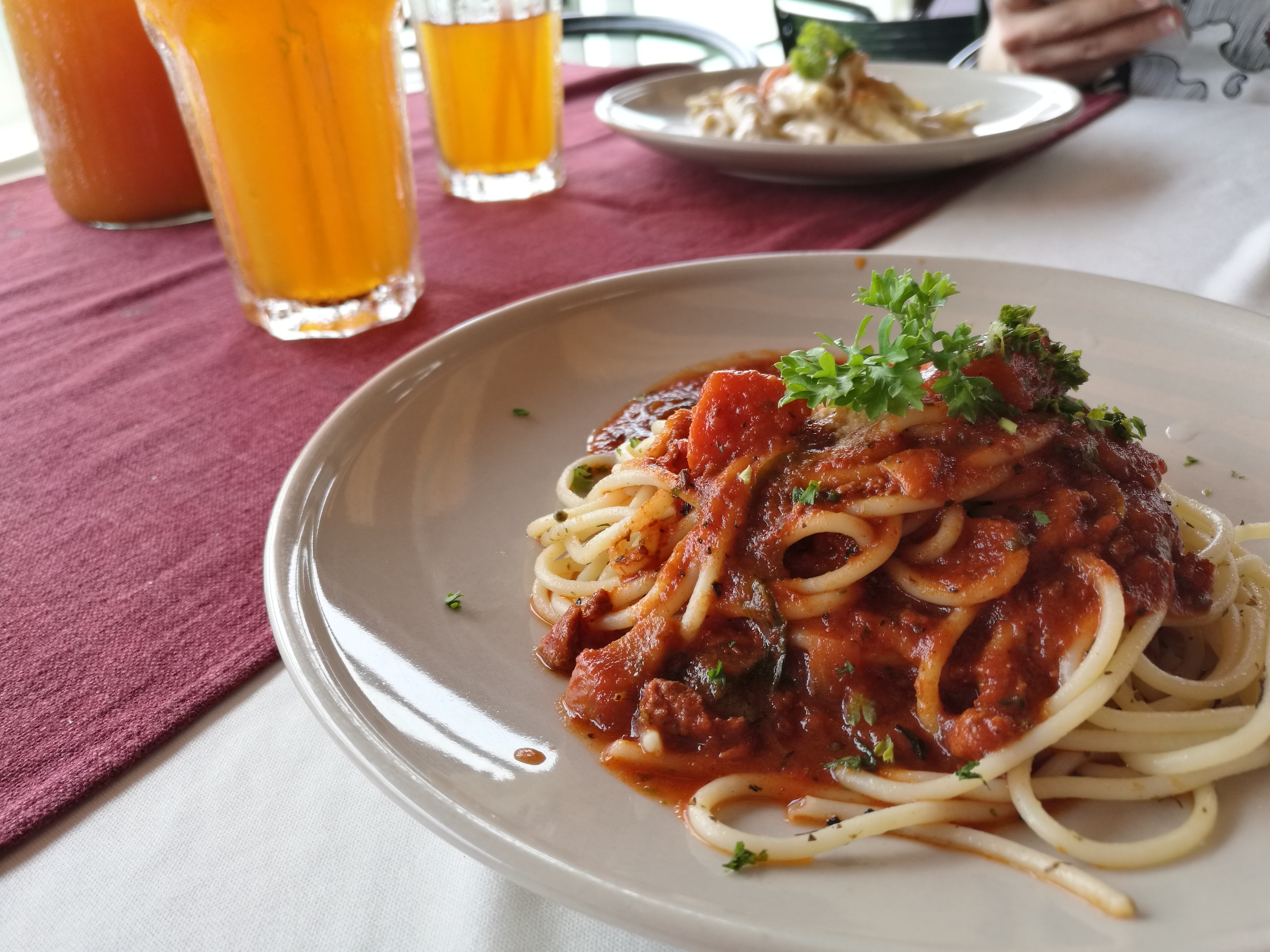
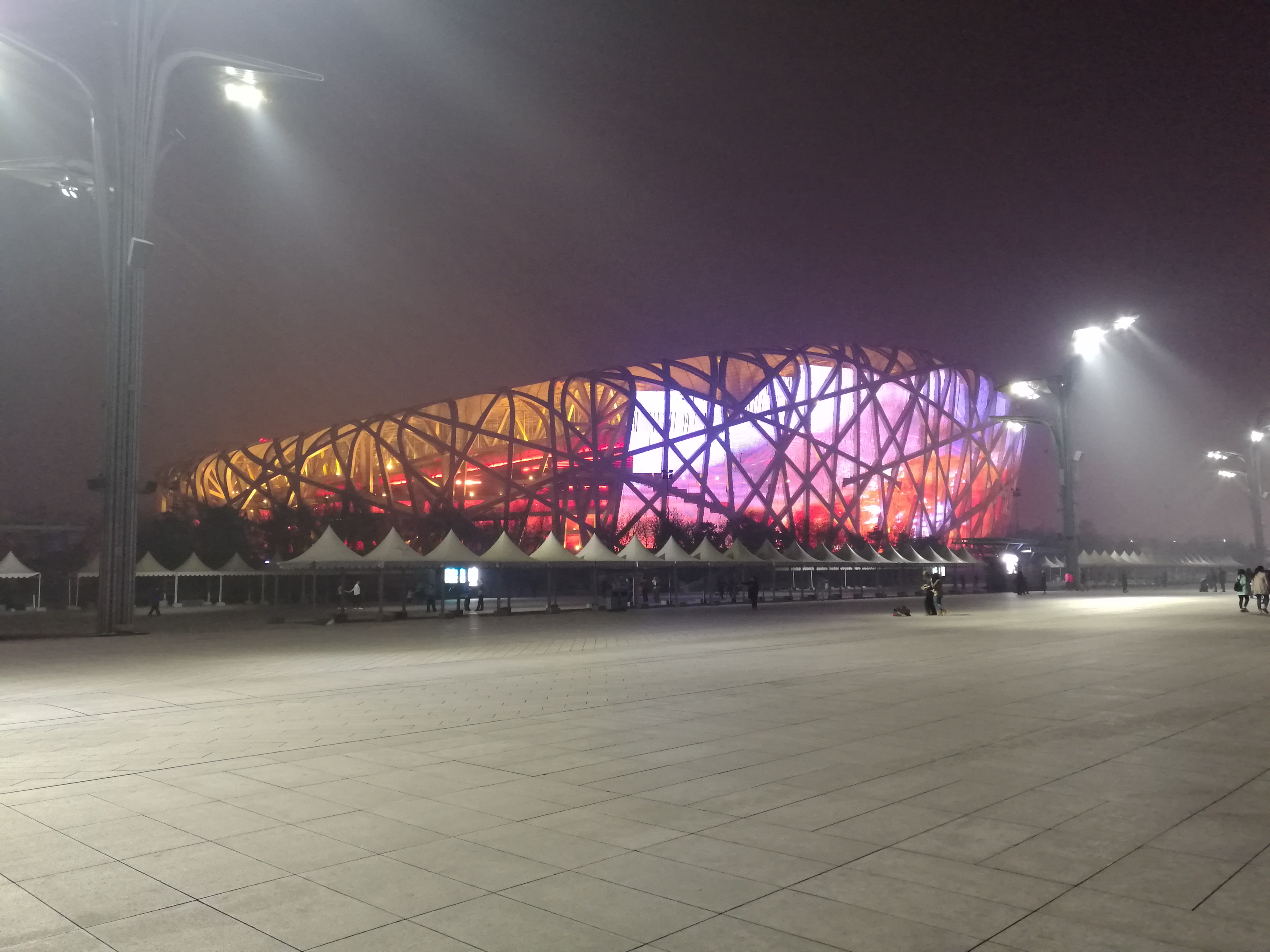
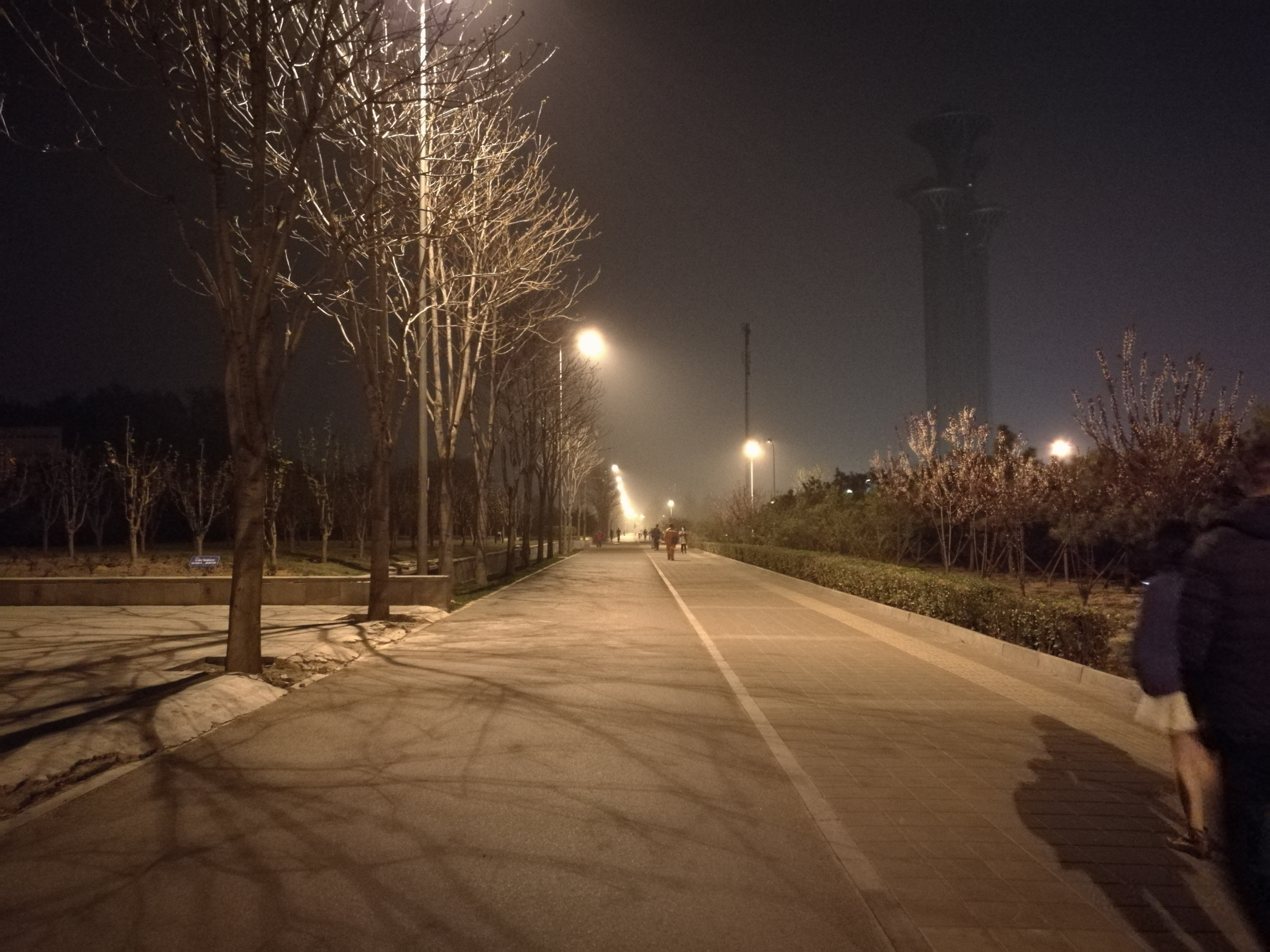
Shooting under ideal lighting can produce some really good shots, but it’s in low-light conditions that the Mate 8’s camera shows its weaknesses. The dynamic range isn’t as good as other competitors, and it’s not able to capture as much light as I would’ve liked.
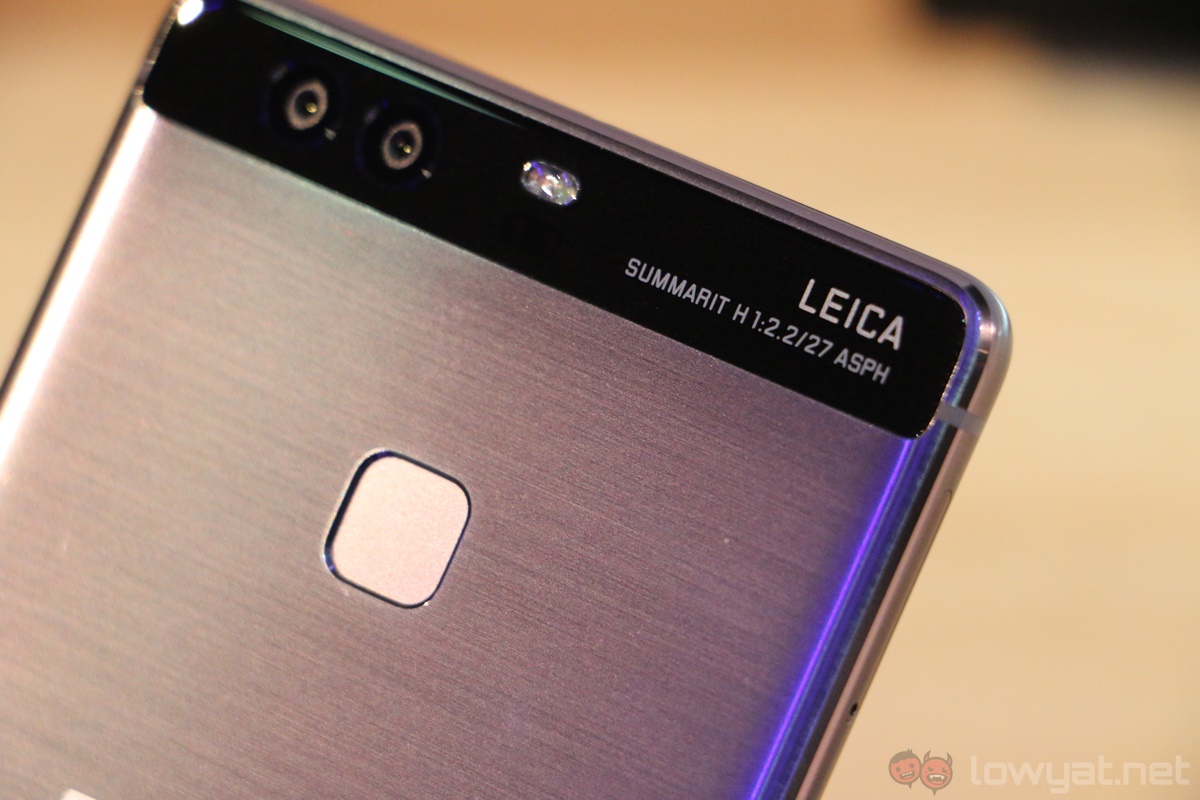
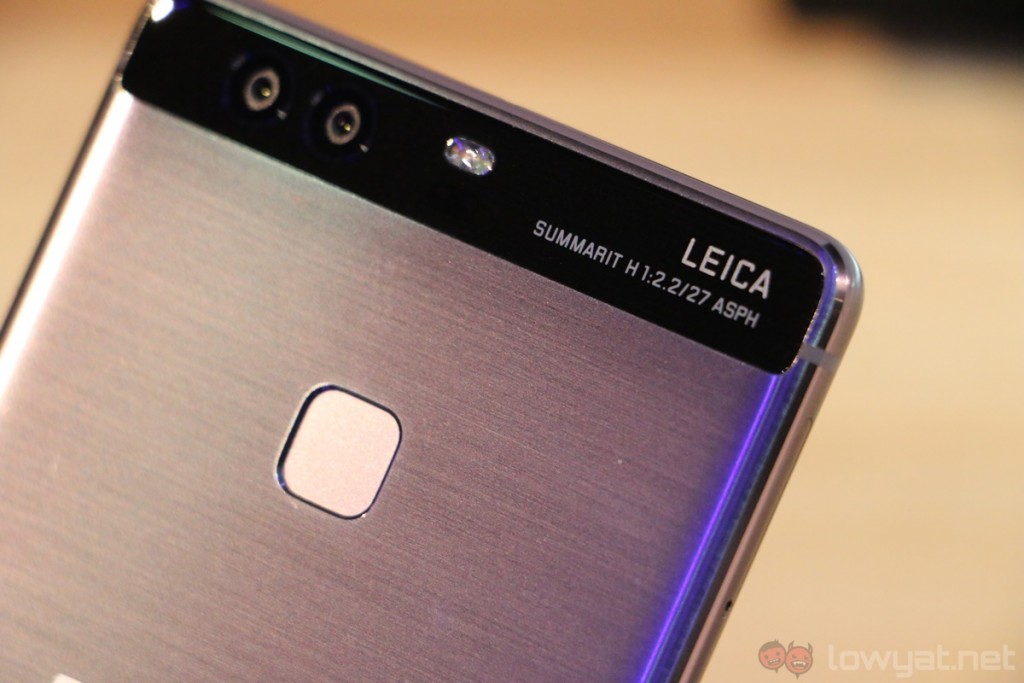
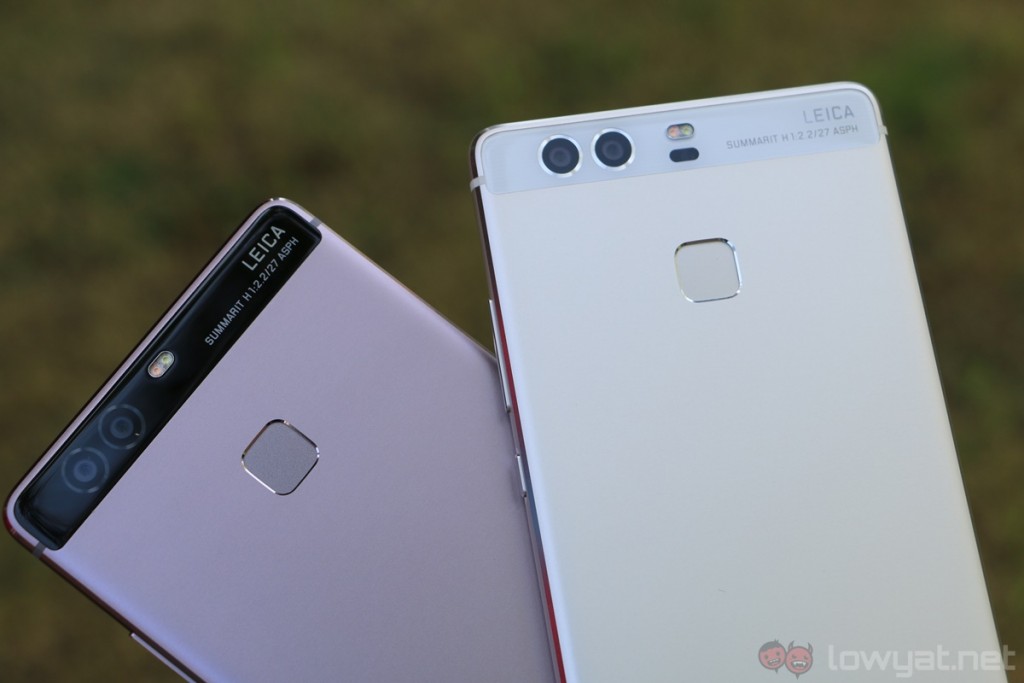
Is the Mate 8’s camera good? Well, it is, but not to the point where it closely rivals flagships from Samsung and Apple. Then again, it isn’t as costly as other high-end smartphones as well, so there’s that. There is high hopes from Huawei that the Leica cooperation in the new P9 series will change this, and I’ll be keeping a close eye on that.
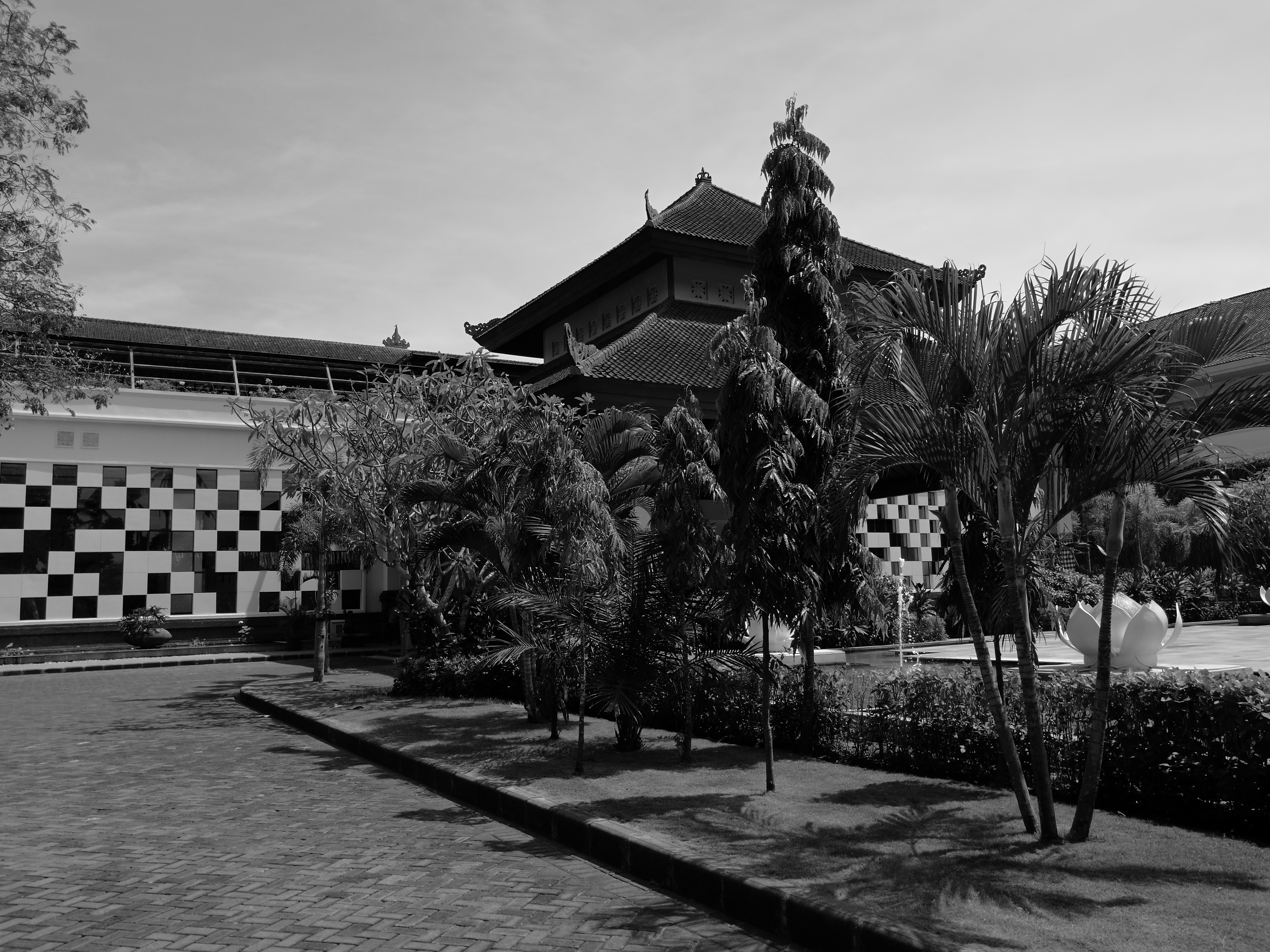
Sample Images
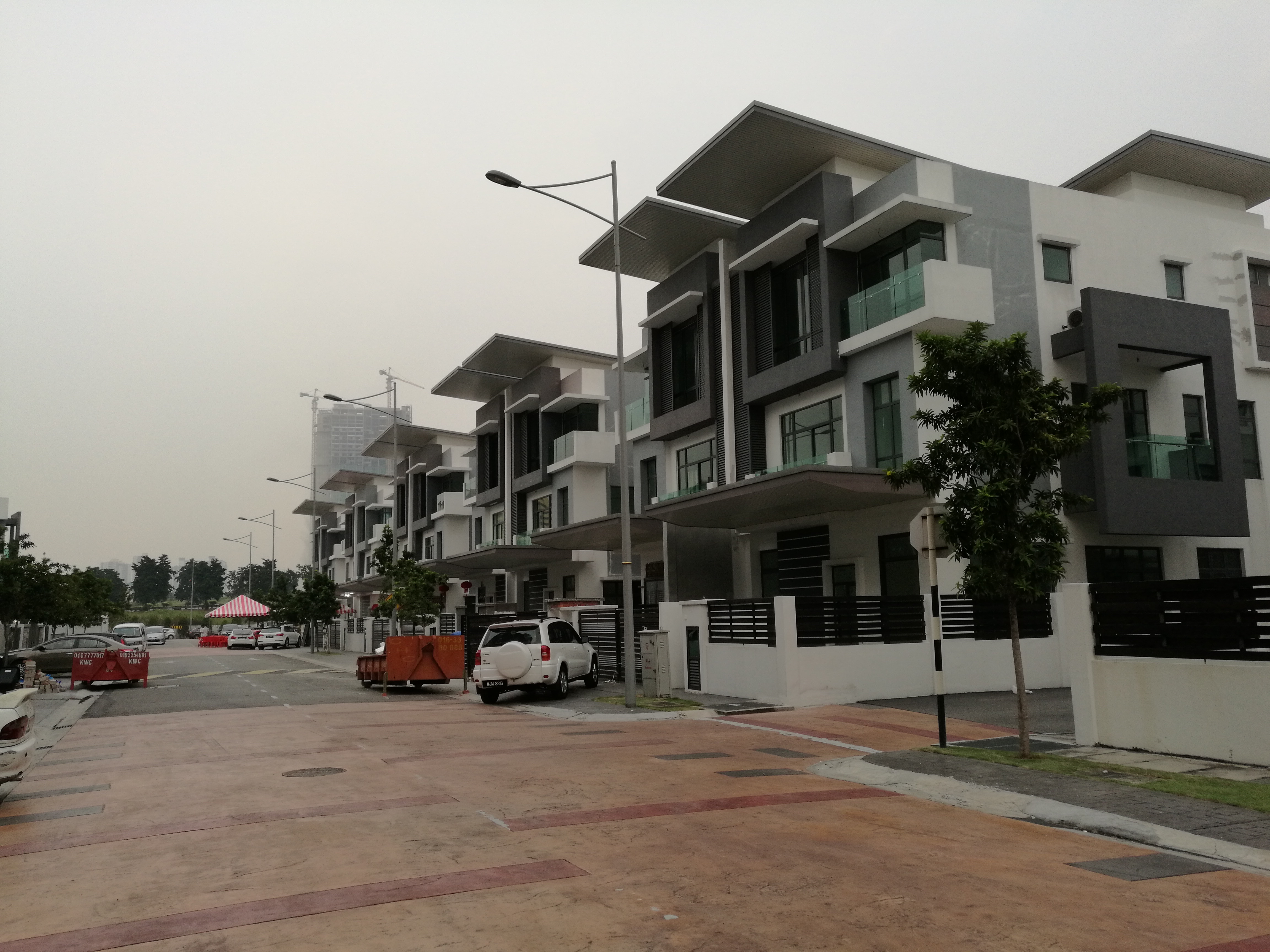
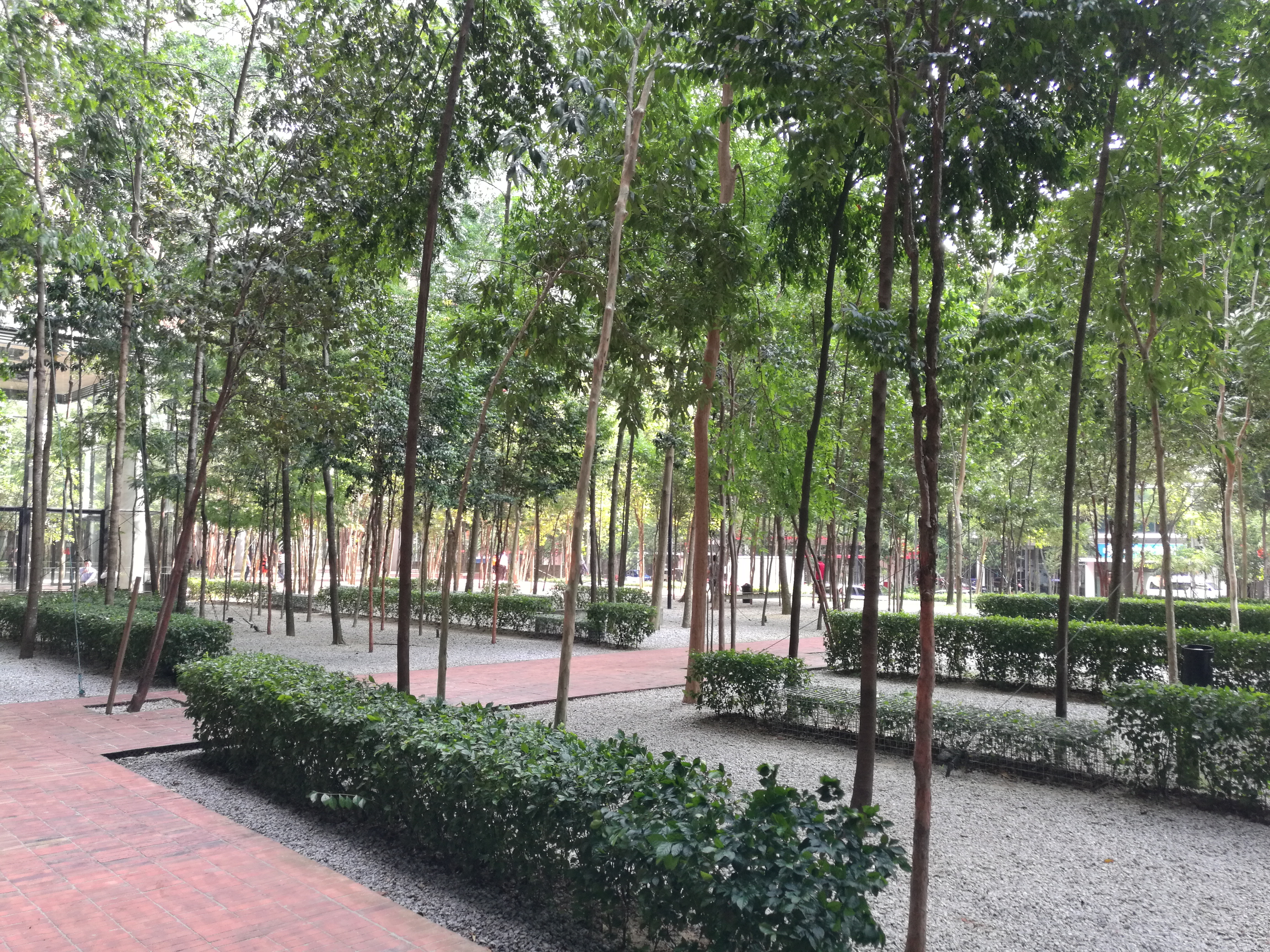
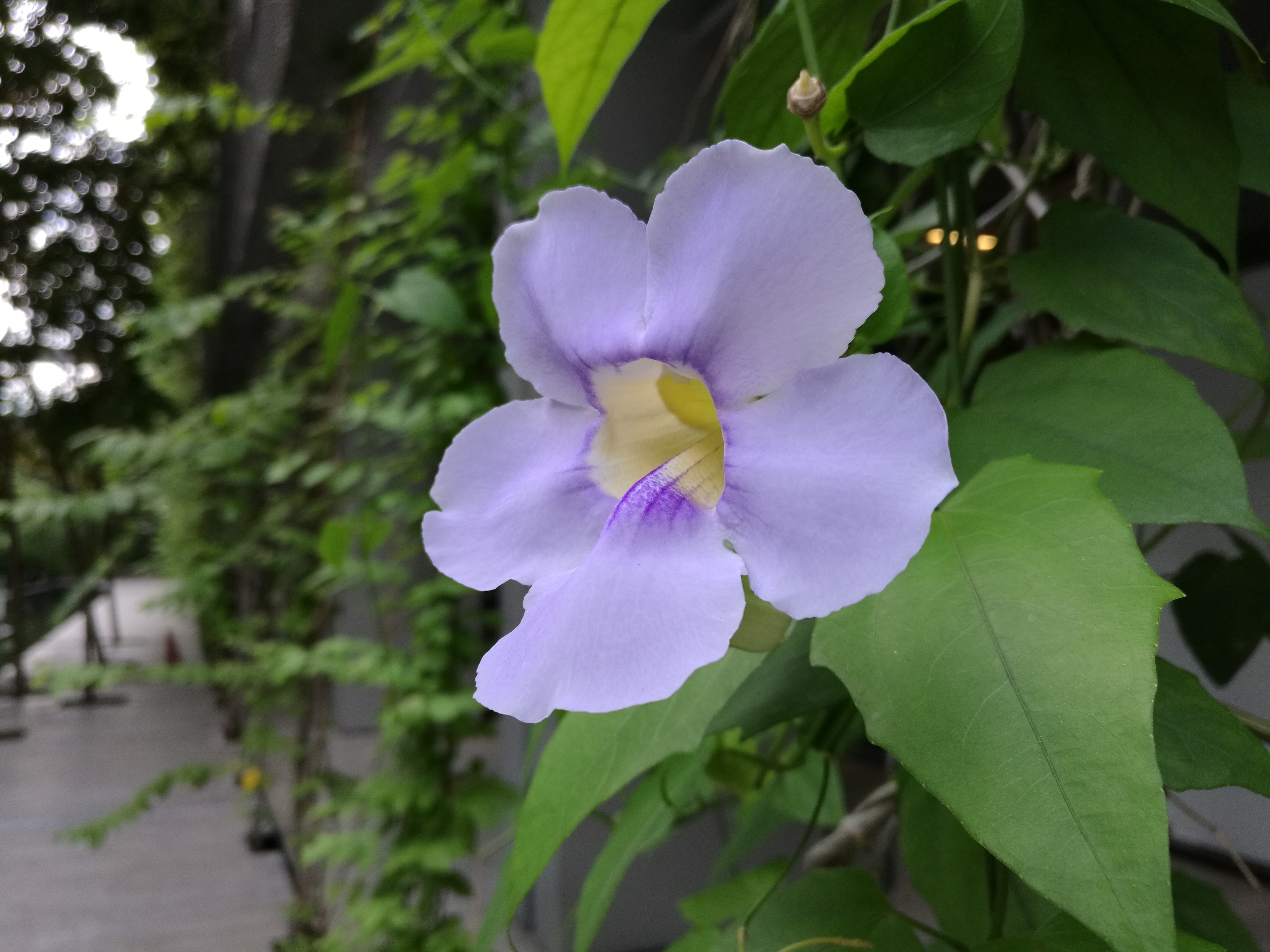
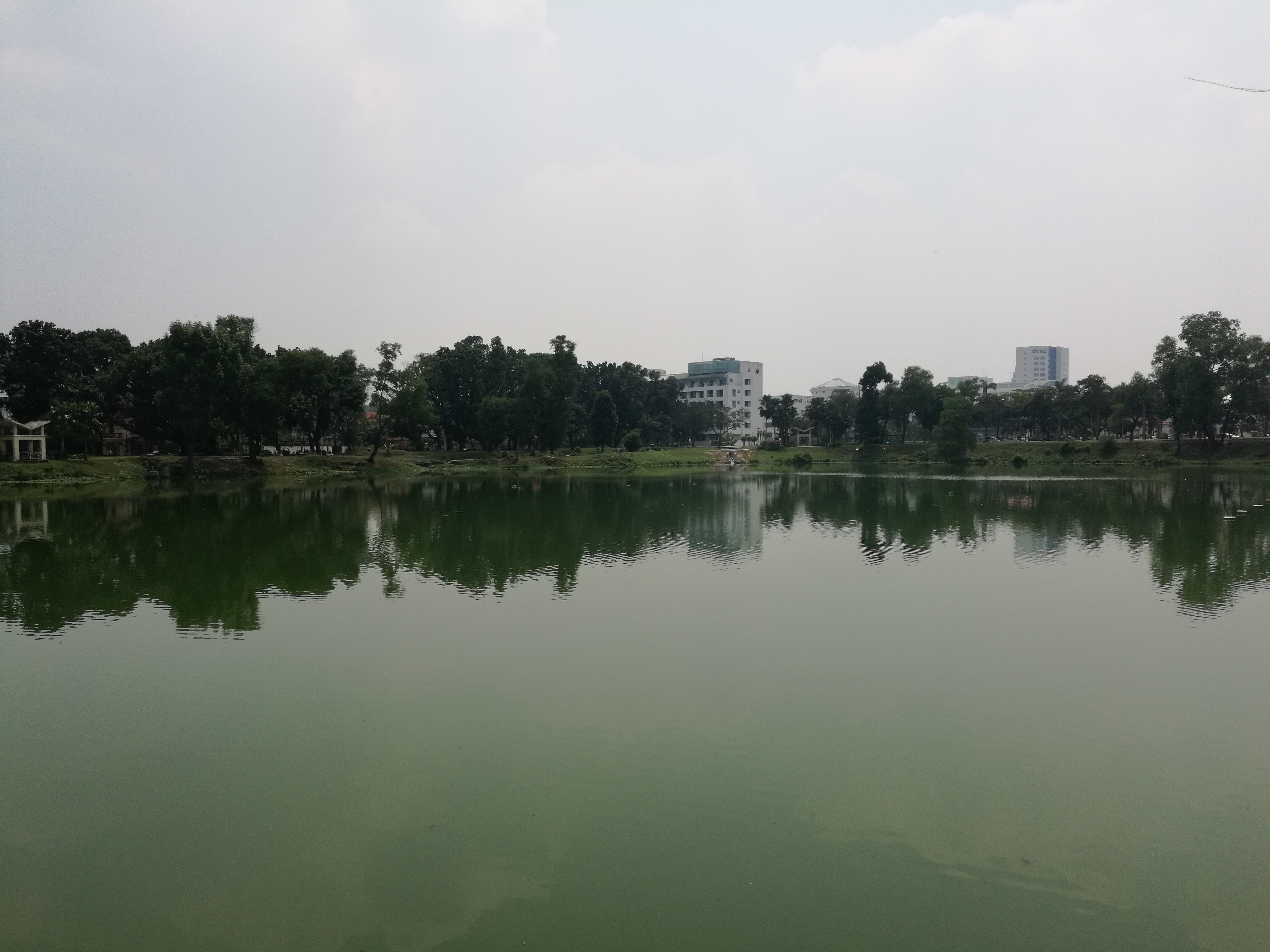



Competition
As a flagship smartphone, the Mate 8 has plenty of competition. For one, there’s the Samsung Galaxy S7 duo. On paper, the S7 and S7 edge have a faster Exynos 8890 processor, a higher resolution 1440p display, IP68 dust and water resistance, and most importantly, a better and faster 12MP dual-pixel camera. That said, the Mate 8 has a bigger 4,000mAh battery, and a larger display for those who love watching things and working from their phones.
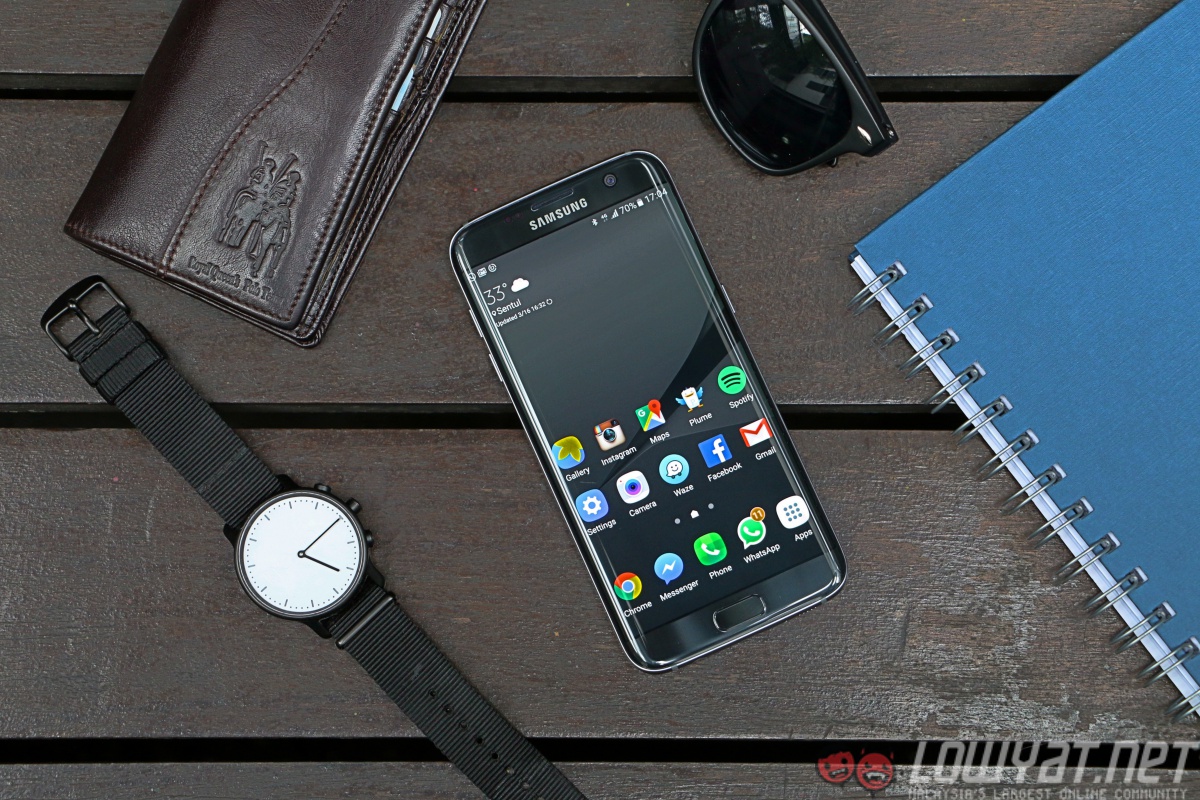
More importantly, the Mate 8 only retails at RM2,099 and RM2,399 for the Standard and Premium models respectively, while the Galaxy S7 and S7 edge are going for RM2,699 and RM3,099 respectively; that’s quite a difference in price. That said, while the latter two are more costly, you are getting what you pay for in the form of a better camera and IP68 rating, among other things.
Other than the S7 duo, the Nexus 6P is also an interesting competitor to the Mate 8. It has a sharper, more vibrant 5.7-inch 1440p AMOLED display, better camera performance, and arguably better software experience thanks to its stock software – it will also be one of the first Android smartphones to receive the latest versions of the OS.
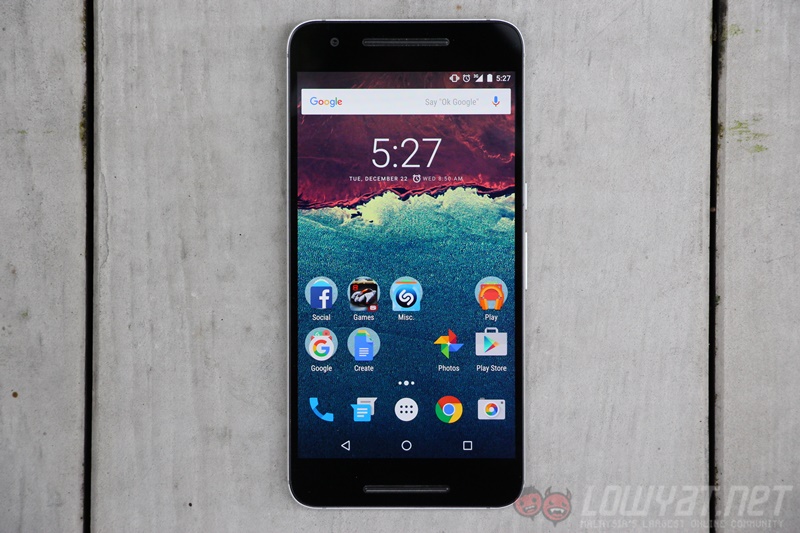
However, the Nexus 6P is also more costly than the Mate 8 at RM2,698, not to mention the fact that the 6P does not have expandable memory, which can be a deal-breaker to some consumers. Also, the Mate 8’s battery life far eclipses that of the Nexus 6P, thanks to a more efficient processor, lower resolution display, and again, that 4,000mAh battery.
Conclusion
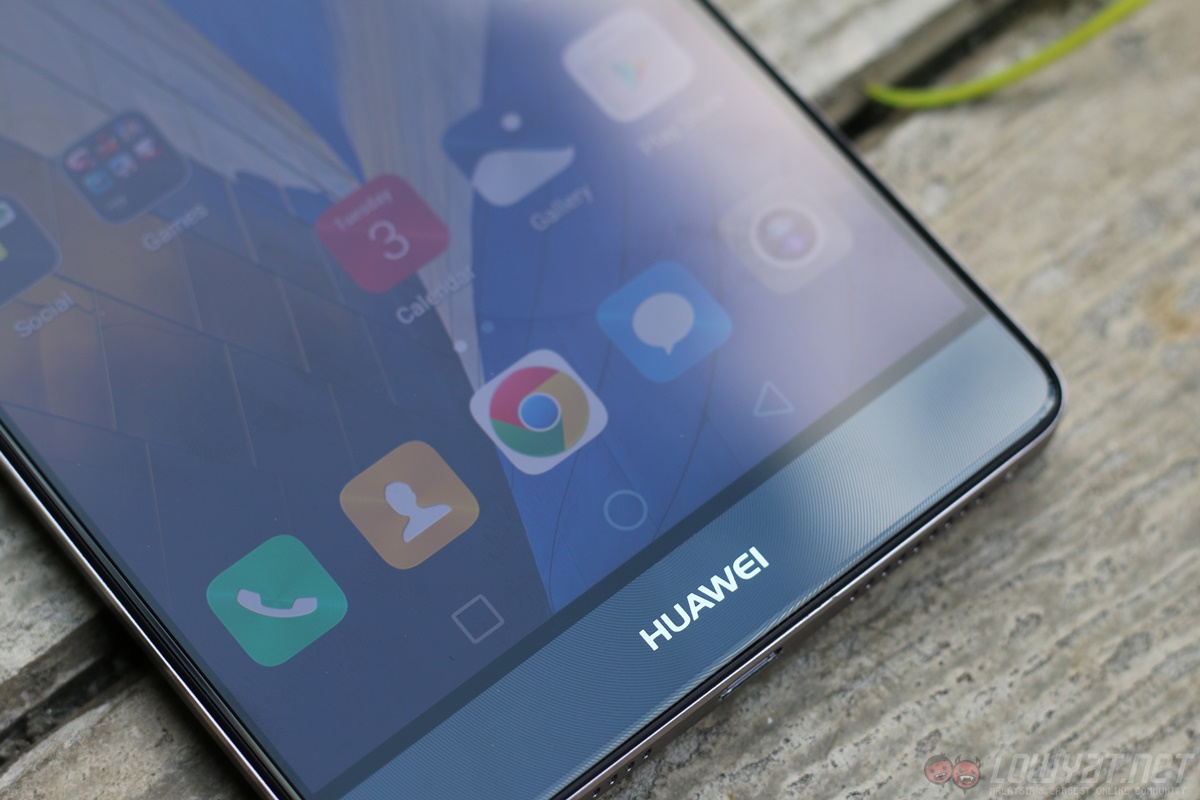
After using the Huawei Mate 8 for a couple of weeks, it truly is the best flagship smartphone the company has ever made. It is much better than the Huawei Mate S, and it certainly is one of the longest-lasting smartphones I have ever used. That said, it’s not exactly up there along with the Samsung Galaxy S7 duo and the latest iPhones: its camera still needs a lot of work.
But for its asking price, the Huawei Mate 8 is definitely a compelling high-end smartphone. It feels and looks premium, it’s fast, and most of all, it has very good battery life. If you’re fine with this smartphone’s size and “okay” camera, you will be very satisfied with the Mate 8.